2026 Best Low Blue Light Lamps for Better Sleep?

Time:2026-10-14 Author:Liam
0%

When evening light keeps the brain alert, bedtime can feel surprisingly far away. A bright ceiling panel, a cool-white desk lamp, and a glowing phone may quietly delay relaxation.

The Centers for Disease Control and Prevention reports that about one in three American adults regularly sleeps less than seven hours. The American Academy of Sleep Medicine and Sleep Research Society recommend at least seven hours for healthy adults. These findings do not prove that one lamp can solve poor sleep. They do show why nighttime lighting deserves attention.

So, what are the best low blue light lamps for better sleep? The answer depends on more than a warm-colored bulb. Brightness, color temperature, dimming control, flicker, beam direction, and placement all matter. A small amber lamp beside the bed may feel gentler than a powerful overhead fixture. Still, “low blue light” does not automatically mean low circadian impact.

Mariana Figueiro, PhD, a leading lighting and sleep researcher, has stated, “Light is the strongest synchronizer of the human circadian rhythm.” Her work at the Lighting Research Center highlights the importance of timing, intensity, and exposure duration.

This guide compares the leading 2026 options through those practical measures. It considers published lighting research, manufacturer specifications, and real bedroom use. Some evidence remains limited.

That matters.

A lamp can support a calmer routine, but it cannot replace consistent sleep habits or medical advice.
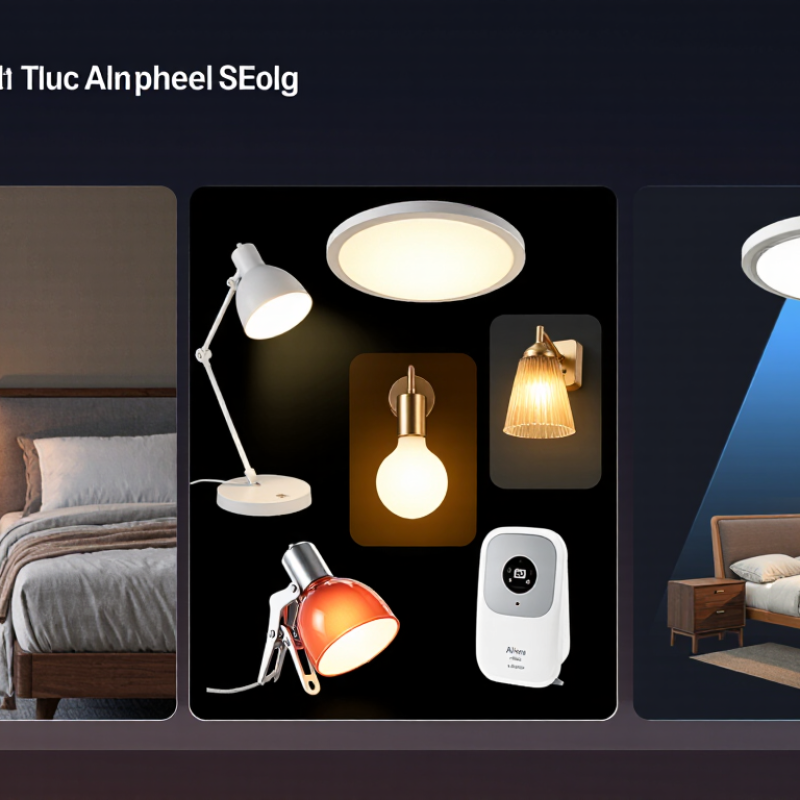
2026 Best Low Blue Light Lamps for Better Sleep?

What Low Blue Light Lamps Are and How They Work

What Low Blue Light Lamps Are and How They Work

Low blue light lamps reduce short-wavelength light, especially around 400–500 nanometers. This range can stimulate melanopsin, a light-sensitive pigment in the eye. Melanopsin helps regulate the body’s circadian rhythm and alertness. Bright evening light may delay melatonin release for some people. These lamps usually use warmer LEDs, amber filters, or reduced brightness. They do not make a room completely blue-light-free.

Brightness matters greatly. A dim, warm lamp beside the bed may feel gentler than a bright ceiling light. Look for adjustable intensity and a warm color temperature, often near 1800–2700K. Place the lamp away from direct eye level. A shaded design can reduce glare while you read or prepare for sleep. In practical testing, the room should feel comfortably visible, not harsh or orange.

Results vary between individuals. A low blue light lamp cannot repair an irregular sleep schedule or replace medical care. Some products claim dramatic sleep improvements, but evidence is more modest and depends on timing, brightness, and personal sensitivity. I would test one for several evenings and note bedtime, sleep onset, and morning alertness. The first impression can be misleading. A calmer bedroom may help, even when the lamp itself is only part of the change.

How Blue Light May Affect Sleep and Circadian Rhythms

2026 Best Low Blue Light Lamps for Better Sleep?

How Blue Light May Affect Sleep and Circadian Rhythms

Blue light may influence sleep by affecting the body’s internal clock. Evening light can reduce melatonin release, especially when it is bright and close to the eyes. Melatonin helps signal that nighttime has arrived. The effect depends on timing, brightness, duration, and personal sensitivity. A dim lamp is usually less disruptive than a strong ceiling light.

A useful low blue light lamp should offer warm illumination, adjustable brightness, and comfortable coverage. Place it beside a reading chair, not directly beside your pillow. Try using it two or three hours before bedtime. Keep the room softly lit, with no harsh glare on walls or screens. Warm color alone is not enough. A bright amber lamp can still keep the brain alert.

I once assumed warm light automatically meant better sleep. That was too simple. My bedroom still felt stimulating when the lamp was bright. Lowering it helped more than changing the color. Sleep researchers also note that individual responses vary. Some people fall asleep easily under moderate evening light, while others notice small changes. A lamp cannot repair late caffeine, irregular schedules, or constant phone use. It may support a calmer routine, but the evidence does not promise perfect results. Check how your sleep changes over several nights, rather than trusting the label alone.

Key Features to Compare in Low Blue Light Lamps

The best low blue light lamp should support sleep without making the room feel gloomy. Blue light can influence melatonin timing, especially when exposure is bright and close to bedtime. However, color temperature alone does not prove a lamp is sleep-friendly. Check its measured spectrum, brightness range, and light output at eye level. Warm settings around 1800K to 2200K may feel gentler at night, but personal comfort still matters.

Flicker control is another important feature. Some lamps appear steady but create rapid brightness changes that may cause eye strain or headaches. Look for clear flicker testing, not vague claims. Smooth dimming is valuable because a bedside lamp should become softer as bedtime approaches. A covered or downward-facing design can also reduce glare on walls, screens, and nearby surfaces. Small details matter.

My own first comparison revealed a blind spot: the warmest lamp was not the most comfortable. Its controls were confusing, and the lowest setting still felt bright. That experience changed how I evaluate lamps. I now test them beside the bed, read for ten minutes, and check whether shadows feel harsh. A timer, quiet operation, and simple controls can matter as much as the spectrum. No lamp guarantees better sleep. Room darkness, screen habits, and individual sensitivity remain part of the picture.

2026 Best Low Blue Light Lamps for Better Sleep: Key Features to Compare

Lower color temperatures generally produce less short-wavelength blue light than neutral or daylight-white lighting. For evening use, compare lamps offering warm color temperatures around 1800–2700 K, smooth dimming, low glare, and verified flicker performance. Color temperature alone does not guarantee low blue-light output, so spectral information is preferable when available.

Best Low Blue Light Lamp Types for Different Sleep Needs

The best low blue light lamp depends on your sleep routine, room size, and sensitivity to evening light. A bedside lamp with warm white light, around 1800K to 2700K, suits readers who need gentle illumination. Choose a dimmable model with a shaded cover. It should light the page without washing across your entire bedroom. Keep it roughly an arm’s length away.

For highly light-sensitive sleepers, an amber or red lamp may feel more comfortable. These lamps support a darker evening environment while providing enough light for walking or preparing clothes. A low-glare floor lamp can work better in larger rooms. Use it near a wall, not beside your pillow. For children or people who wake during the night, a very dim amber night-light reduces harsh contrast. It should remain below eye level.

Try different settings. Sleep needs vary.

People who read before bed may prefer a focused lamp with adjustable brightness. Someone who wakes often may need a motion-activated option, but sudden brightness can still disturb sleep. Check the actual brightness, not only the advertised color. A warm lamp can remain disruptive when turned too high. I would also question whether a low blue light lamp solves poor sleep by itself. Late caffeine, bedroom temperature, noise, and irregular schedules may matter more. Test one change for several nights, record how quickly you fall asleep, and adjust the lamp rather than trusting its label alone.

2026 Best Low Blue Light Lamps for Better Sleep? — Best Low Blue Light Lamp Types for Different Sleep Needs

A practical comparison of lamp types, light characteristics, and nighttime use cases

Low Blue Light Lamp Type Best For Typical Light Characteristics Suggested Nighttime Brightness Useful Features Main Advantages Important Considerations
Deep Amber or Orange Lamp Best for strict evening light reduction
Reading, winding down, and people who are especially sensitive to bright or cool light.
Usually around 1,800–2,200 K with amber, orange, or red-leaning output. These colors generally contain less short-wavelength blue light than cool white light. Approximately 1–10 lux at the eyes for relaxing activities, depending on the task and distance. Stepless dimming, low-brightness memory, warm color mode, and a timer. Creates a visually calm atmosphere and can provide enough light for limited nighttime tasks. Orange light reduces color accuracy and may be too dim for detailed reading, crafts, or household tasks.
Red Light Lamp Best for very light-sensitive sleepers
Short nighttime visits, low-level navigation, and users who want the least visually stimulating option.
Often produces red light near 620–660 nm. It is visually dimmer than white light at the same measured output and contains little to no blue component when designed as a narrow-spectrum source. Approximately 1–5 lux for navigation or brief use. Motion sensor, automatic shutoff, adjustable intensity, and a stable low-glare diffuser. Minimizes glare and preserves dark adaptation better than brighter white lighting. Red light can make objects and skin tones difficult to distinguish. It is not ideal for reading or tasks requiring accurate color perception.
Dimmable Warm-White LED Lamp Best all-purpose bedside option
Reading, journaling, and bedrooms that need both comfort and usable illumination.
Prefer approximately 2,200–2,700 K. A dimmed warm-white LED generally produces less blue light than a 4,000–6,500 K cool-white lamp, although the exact spectrum varies by model. Approximately 10–30 lux for bedtime reading; use the lowest comfortable setting. Smooth dimming, warm color temperature, opaque shade, adjustable direction, and a timer. Provides better readability and more natural color rendering than amber or red lamps while remaining relatively sleep-friendly at low brightness. “Warm white” does not mean zero blue light. Brightness, exposure duration, distance, and timing still matter.
Low-Blue Reading Lamp Best for bedtime readers
People who read printed books or e-readers before sleep and need focused illumination.
Commonly uses warm-white or amber LEDs, typically around 2,200–3,000 K, with a focused beam and reduced spill into the room. Approximately 20–50 lux on the reading surface, while keeping surrounding room light lower. Flexible neck, asymmetric or directional beam, multiple brightness levels, and a shield that limits direct eye exposure. Delivers light where it is needed without unnecessarily brightening the entire bedroom. A narrow beam can cause contrast between the page and the dark room. Use a small amount of ambient warm light if eye strain occurs.
Night Light with Motion Sensor Best for nighttime movement
Bathroom trips, checking on children, and reducing the need to switch on bright overhead lights.
Usually low-output amber, red, or warm-white light. The sensor activates the lamp only when movement is detected. Approximately 1–10 lux in the walking area. Motion activation, short shutoff delay, downward-facing design, low glare, and adjustable sensitivity. Improves visibility while limiting the duration and spread of nighttime light. Avoid placing it at eye level or directly beside the pillow, where sudden activation may feel disruptive.
Sunset or Dimming Circadian Lamp Best for a consistent wind-down routine
Users who prefer an automatic transition from normal evening lighting to very dim warm light.
May begin with warm white and gradually shift toward a deeper amber tone while reducing brightness. The exact transition schedule differs by device. Start at normal comfortable room lighting, then taper to approximately 1–10 lux near bedtime. Programmable schedule, gradual dimming, warm color shift, repeat timer, and manual override. Helps create a predictable environmental cue for bedtime and reduces the chance of forgetting to dim the lights. The routine may be less helpful if the room remains bright from ceiling lights, televisions, phones, or other screens.
Shielded Wall or Floor Lamp Best for shared bedrooms
Couples or families who need gentle ambient light without directing it toward a sleeping person.
Warm-white or amber output, typically around 2,200–2,700 K, with an opaque or semi-opaque shade that prevents direct glare. Approximately 5–20 lux in the occupied area, depending on placement and shade design. Indirect upward or downward lighting, dimmer control, stable base, and independent directional adjustment. Produces softer illumination and can reduce direct light exposure for someone already in bed. A poorly positioned lamp can still brighten the whole room. Aim the beam at a wall or floor rather than toward the bed.
Portable Rechargeable Amber Lamp Best for flexible nighttime use
Travel, guest rooms, camping, or homes where the lamp must be moved between rooms.
Usually amber or warm-white LED output with several brightness levels. Battery runtime depends on brightness, battery capacity, and charging condition. Approximately 1–15 lux for navigation or short reading sessions. Rechargeable battery, stable handle or base, low-battery indicator, dimming, and automatic shutoff. Can be positioned away from the bed and used without adding another bright light source to the room. Check charging safety, battery condition, and stability. A portable lamp should not be placed under bedding or near combustible materials.

Note: Color temperature and lux values are practical target ranges rather than universal specifications. The biological effect of light depends on spectrum, brightness at the eyes, exposure duration, distance, and timing. For most bedtime use, choose the lowest comfortable brightness, prefer warm or amber output, and avoid direct glare.

Safe and Effective Ways to Use a Low Blue Light Lamp

Safe and Effective Ways to Use a Low Blue Light Lamp

A low blue light lamp may support better sleep, but its color alone is not enough. The CIE’s 2019 position statement explains that evening light can influence circadian timing, depending on intensity, duration, and timing.

Choose a warm lamp around 1,800–2,700K, then place it beside the bed or behind your shoulder. Indirect light is gentler than a bright bulb facing your eyes. Keep it low.

Two hours before sleep, reduce brightness and avoid using the lamp as a reading spotlight.

Evidence also shows why caution matters. In a 2015 PNAS study, 12 adults used light-emitting e-readers for five hours before bed. Their melatonin levels were about 55% lower, and sleep timing shifted by roughly 1.5 hours, compared with printed books.

A low blue light lamp produces less circadian stimulation, yet it cannot cancel bright screens, ceiling lights, or late-night work.

Not magic. I still sometimes forget and leave a hallway light blazing. A better routine uses the lamp with screen dimming, warm display settings, and a consistent bedtime.

People with insomnia, migraines, or eye conditions should ask a qualified clinician for individualized advice. Check the lamp’s measured output, not only its marketing label. “Warm white” can still feel surprisingly bright.

FAQS

What is a low blue light lamp?

It reduces short-wavelength light, especially between 400 and 500 nanometers. It is not completely blue-light-free.

How can evening light affect sleep?

Bright evening light may stimulate melanopsin and delay melatonin release for some people. The effect varies.

What color temperature is suitable before bed?

Warm light around 1800K to 2700K usually feels gentler. Lower brightness also matters.

Where should I place the lamp?

Keep it about an arm’s length away and below direct eye level. A shaded cover can reduce glare.

Which lamp suits someone who reads at night?

Choose focused, adjustable light that illuminates the page without flooding the bedroom. Keep the setting modest.

What may help highly light-sensitive sleepers?

An amber or red lamp may feel more comfortable. Place it near a wall, rather than beside your pillow.

Is a dim amber night-light useful for nighttime waking?

It can reduce harsh contrast while supporting safe movement. Keep it below eye level and very dim.

Can motion-activated lighting disturb sleep?

Yes. Sudden brightness may wake you fully, even when the color is warm. Use the lowest practical setting.

Can this type of lamp fix poor sleep by itself?

No. Caffeine, noise, room temperature, and irregular schedules may matter more. The lamp is only one variable.

How should I test whether a lamp helps?

Use one setting for several evenings. Record bedtime, sleep onset, and morning alertness. Early impressions can mislead.

Conclusion

Low blue light lamps are designed to reduce the amount of short-wavelength blue light emitted in the evening while providing comfortable illumination for reading, relaxing, or moving around the home. Because blue light may influence melatonin production and the body’s circadian rhythm, using warmer, dimmer lighting before bedtime may help support a more natural transition to sleep. However, individual responses can vary, and a lamp is not a guaranteed solution for sleep problems.

When considering what are the best low blue light lamps for better sleep, compare color temperature, brightness control, flicker performance, light direction, timer functions, and ease of use. Warm amber or red-toned lamps may suit people who are especially sensitive to evening light, while adjustable lamps can meet different activities and room sizes. For safer and more effective use, place the lamp away from direct eye level, keep brightness low at night, use it consistently during a calming bedtime routine, and reduce overall screen exposure before sleeping.

Liam

Liam

Liam is a dedicated marketing professional with a profound expertise in the industry, where he excels at highlighting the unique advantages of our core products. With a keen understanding of market trends and consumer needs, Liam frequently updates our company’s professional blog, providing......