When considering how to measure a lampshade for a replacement floor lamp, accuracy is key. Expert interior designer, Sarah Mitchell, states, "A well-fitted lampshade can elevate the entire room's ambiance." Knowing the precise dimensions ensures you select a shade that complements your lamp and room aesthetic.
Many overlook crucial details, leading to mismatched sizes. It's essential to measure both the height and diameter of the lampshade space. Starting from the lamp base, measure where the lampshade will sit. A common mistake is relying solely on visual estimation. Using a tape measure eliminates doubt and enhances your confidence in your choice.
Taking the time to accurately measure is vital. It reflects a commitment to quality and design. Each measurement, while simple, has its implications. If the shade is too wide, it can overpower your floor lamp; too narrow, and it might look out of place. Therefore, understanding how to measure a lampshade for a replacement floor lamp is critical for achieving the desired look.
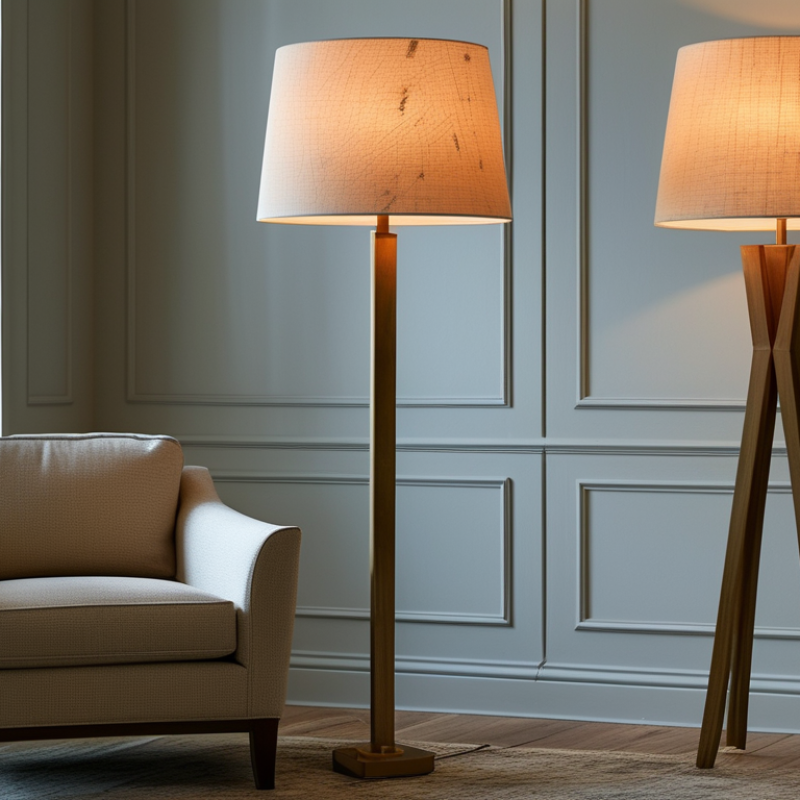
Choosing the right floor lamp can significantly enhance your decor style. Consider the dimensions of your space. A tall lamp works well in rooms with high ceilings. For lower ceilings, opt for shorter designs. Focus on the lamp's color and material to ensure it complements your existing furnishings. Warm colors like gold or cream can create a cozy atmosphere, while metallic finishes add a modern touch.
**Tips:** Think about how the lamp will be used. A reading nook may require a focused light source. If you want ambient light, a lamp with a diffusing shade is ideal. Remember to measure your space accurately. A lamp too large can overwhelm, while one too small may feel lost.
Your personal style matters. A vintage lamp can bring charm to a contemporary room. Alternatively, a sleek, minimalist lamp suits modern aesthetics. Reflect on your preferences. Contrast textures and shapes for added interest. If unsure, mock up the design with tape on the floor to visualize the space. It’s a simple technique that helps avoid costly mistakes. Each choice reflects who you are. Take your time to find the perfect fit.
| Measurement Type | Description | Recommended Size | Style Compatibility |
|---|---|---|---|
| Height | Measure the height from the base of the lamp to the top of the existing lampshade. | 10-12 inches | Modern, Industrial |
| Top Diameter | Measure the diameter of the top opening where it attaches to the lamp. | 5-7 inches | Contemporary, Vintage |
| Bottom Diameter | Measure the diameter of the bottom opening of the lampshade. | 12-18 inches | Traditional, Rustic |
| Shade Shape | Identify the shape of the lampshade: drum, bell, square, etc. | Varies by design | All styles |
| Fabric Material | Select a fabric that complements the room's decor. | Linen, Silk, Cotton | Modern, Classic |
Choosing the right lampshade for your floor lamp involves understanding various dimensions and shapes. A lampshade's diameter and height significantly impact the light it emits. Often, if the shade is too wide, it can overwhelm the space. Conversely, a shade that’s too narrow may not provide enough light diffusion.
Consider the shape of the lampshade as well. Cylindrical, tapered, or drum shapes each offer different aesthetics and functionality. A tapered shade directs light downwards, making it perfect for reading lamps. Meanwhile, a drum shade provides a more even light distribution, ideal for creating ambiance.
Tip: Measure the height and diameter of your existing lampshade first. This will guide your selection and prevent mismatches.
Pay close attention to the proportions between the lamp and the shade. A small lamp can look lost under a large shade. The scale must be harmonious. Don’t be afraid to experiment with different shapes; sometimes, what seems unconventional could work beautifully in your space.
Tip: Bring home swatches or samples to see how they interact with your existing decor. It’s important to visualize before committing to a shape and size. Remember, there’s no universal rule; your personal style is key.
Measuring a lampshade correctly is essential for ensuring a harmonious look in your room. To start, you need a few essential tools. A measuring tape is crucial. It gives you accurate readings of height, diameter, and circumference. According to industry standards, a well-fitted lampshade should have a height that is about 40% of the height of the lamp base. This ratio creates a balanced appearance.
Another useful tool is a notepad. Write down your measurements as you go. Consistency is key. Studies show that many people underestimate the importance of keeping detailed records during measurement. Mistakes happen easily. A simple error can lead to a lampshade that doesn’t fit properly.
Consider a level as well. This tool ensures that your measurements are straight and correct. A crooked shade can impact the light it casts. Experts recommend checking multiple angles to verify measurements. You might find variations if you focus only on one side. Often, a single measurement can be misleading due to the shape of the lamp. Taking the time to ensure accuracy will lead to a more satisfying result.
Measuring a lampshade accurately for your floor lamp is crucial for both aesthetics and functionality. Start by gathering your tools: a tape measure, notepad, and pen. Begin with the height of the lampshade. Position your tape measure at the top rim to the bottom edge. This height should ideally range from 10 to 15 inches, according to lighting design experts. A well-proportioned shade enhances the lamp's design and light dispersion.
Next, measure the top and bottom diameters. For a perfectly balanced look, the bottom diameter should be about twice the size of the top. Reports indicate that shades with this ratio provide optimal light coverage. As you measure, consider the lamp base. Think about how the shade aligns with furniture height and room dimensions. This can often lead to misjudgments if not accounted for.
Color and texture also matter. A shade that’s too dark may limit light, while a light shade can create a soft glow. Remember, measurements can vary depending on style and function. If you purchase online, confirm dimensions with the vendor. Gauging the appropriate dimensions is key to achieving the desired ambiance in any space.
Choosing the right lampshade for your floor lamp can significantly affect your space's ambiance. It’s essential to measure accurately to ensure a perfect fit. Here are some helpful tips for picking the right size lampshade.
Start by measuring the height of your floor lamp from the base to the top of the socket. The ideal lampshade height is typically one-third of the lamp’s total height. For instance, if your lamp stands 60 inches tall, consider a lampshade around 20 inches tall. This proportion creates a balanced look.
Next, focus on the shade's diameter. A good rule of thumb is that the shade should be 1.5 to 2 times the diameter of the lamp’s base. If your base measures 10 inches, look for a shade with a diameter of 15 to 20 inches. This will create a harmonious appearance.
Finally, consider the lamp's purpose. A smaller shade may suit a decorative use, while a larger one might provide more light. The balance between style and function is crucial. Reflect on how the shade complements other decor pieces. Being mindful of details can lead to a well-coordinated design.
This chart illustrates the ideal size distribution of lampshades for floor lamps based on usage frequency. A medium-sized lampshade between 12-20 inches is preferred by 40% of users, while small, large, and extra large sizes have similar lower preferences.
: Consider the height of your ceilings. Taller lamps suit high ceilings, while shorter ones fit low ones better.
Choose colors that complement your furnishings. Warm tones create coziness, while metallic finishes add modern flair.
Use a measuring tape for accuracy. Note height, diameter, and circumference for the best fit.
The shade should be about 40% of the lamp base height for a balanced appearance.
Use tape on the floor to outline the lamp's footprint. This helps you see how it fits in the space.
Mistakes happen. If measurements are off, the shade can be crooked or too large. Always double-check before purchasing.
A notepad and a level can help ensure your measurements are accurate and straight.
A single measurement can be misleading. Checking from different angles ensures better accuracy.
Yes, contrasting styles can add interest. A vintage lamp may work well in a modern setting but consider your overall theme.
Write down all measurements as you go. Consistency helps prevent errors that could lead to a bad fit.
When considering how to measure a lampshade for a replacement floor lamp, it’s essential to first choose a floor lamp that complements your decor style. Understanding the different dimensions and shapes of lampshades will help you find the best fit. You’ll need some basic tools for measuring, including a tape measure and possibly a notepad for recording dimensions.
The step-by-step guide to measuring your lampshade involves taking precise measurements of the existing shade, if available, or the lamp itself if you're starting from scratch. This includes noting the height, diameter, and shape of the shade. Finally, consider the tips for selecting the perfect size, taking into account both aesthetic and functional aspects to ensure that your new lampshade enhances the overall look of your floor lamp without compromising on functionality.

Quack Lamp