Why Choose LED Desk Lamps Over Traditional Models?

Time:2026-06-25 Author:Sophia
0%

In recent years, LED desk lamps have surged in popularity, outperforming traditional lighting models in various ways. According to the U.S. Department of Energy, LED lights use up to 75% less energy than incandescent bulbs. This energy efficiency not only reduces electricity bills but also has a positive impact on the environment. Industry expert Dr. Emily W. Cheng noted, "LED technology brings unparalleled advantages, such as longevity and versatility, making it a smart choice for modern lighting."

When discussing why are LED desk lamps better than traditional ones, several factors come into play. LEDs can last up to 25,000 hours, significantly longer than traditional bulbs, which typically last around 1,000 hours. This longevity translates to fewer replacements, a critical consideration for both consumers and businesses. Furthermore, LED lights produce less heat, reducing the risk of burns and contributing to a safer workspace.

While the upfront cost of LED lamps can be higher, the long-term savings in energy and replacement costs are undeniable. Yet, consumers should also consider their specific needs. Not all LED desk lamps provide the same quality of light or features. As with any technology, choosing the right model requires careful evaluation and awareness of personal preferences.
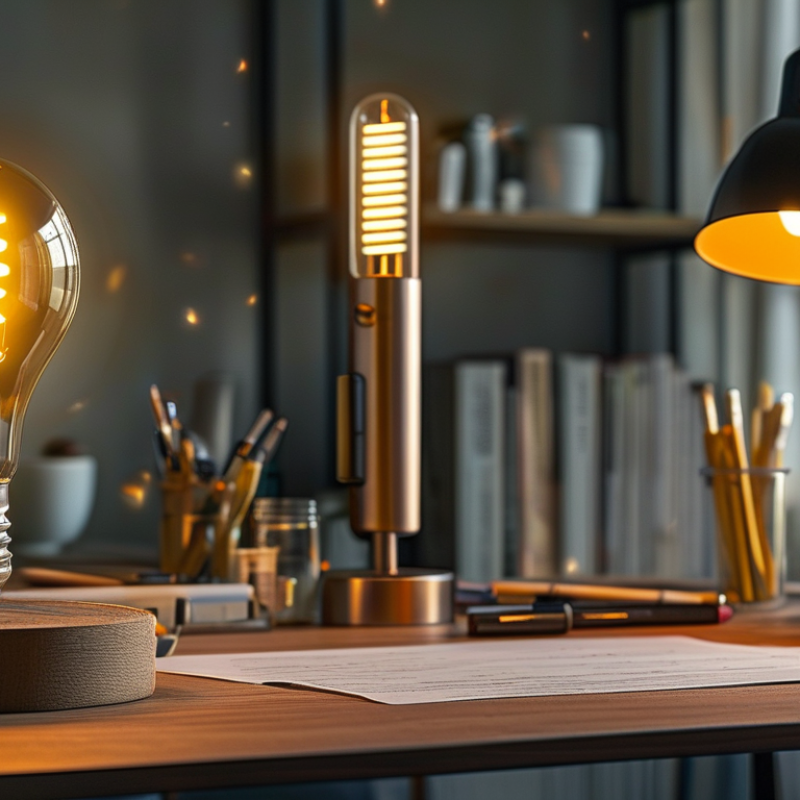
Why Choose LED Desk Lamps Over Traditional Models?

Benefits of LED Desk Lamps Compared to Traditional Light Sources

LED desk lamps offer several distinct advantages over traditional light sources. One notable benefit is energy efficiency. LED lamps consume significantly less power, leading to lower electricity bills. This efficiency is better for both the environment and your wallet. In fact, they use up to 80% less energy compared to incandescent bulbs. This means you can light your workspace without worrying about excessive energy consumption.


Another key advantage is the lifespan of LED lamps. They can last up to 25,000 hours, while traditional bulbs often only last around 1,000 hours. This longevity reduces the need for frequent replacements. Fewer replacements mean less waste, contributing to a more sustainable lifestyle. Additionally, LED lighting produces less heat, making them safer to use. You won't feel the discomfort of hot bulbs while working.


However, it’s essential to consider the upfront costs. LED lamps can be more expensive than traditional options. Yet, this initial investment often pays off in the long run through energy savings. Choosing LED means balancing short-term costs with long-term benefits. Reflecting on these factors can help you make a more informed decision for your workspace.

Energy Efficiency: How LED Lamps Reduce Power Consumption

LED desk lamps are revolutionizing how we approach lighting in our homes and offices. One of their primary advantages is energy efficiency. Compared to traditional incandescent or fluorescent lamps, LED models consume significantly less power. This reduction in energy use benefits both the environment and your electricity bill.

Consider the average LED desk lamp, which can use up to 80% less energy than its traditional counterparts. This means that for the same amount of light, an LED lamp only draws a fraction of the power. Lower power consumption translates to reduced greenhouse gas emissions, making LED lamps a more sustainable choice. In a world increasingly focused on energy conservation, choosing LEDs reflects a commitment to eco-friendly practices.

However, not all LED lamps are created equal. Some cheaper options may not last as long or may emit a harsh light. It’s crucial to invest in reliable models with proper certifications. This way, you ensure that you're not just saving energy but also enhancing your overall lighting experience. As the market grows, it's essential to remain discerning and informed. Adopting LED lamps can be a responsible choice for your workspace, but careful selection makes all the difference.

Why Choose LED Desk Lamps Over Traditional Models? - Energy Efficiency: How LED Lamps Reduce Power Consumption

Type of Lamp Power Consumption (Watts) Lifespan (Hours) Cost per Year (USD)
LED Desk Lamp 10 25000 12
Incandescent Desk Lamp 60 1000 72
CFL Desk Lamp 15 10000 18
Halogen Desk Lamp 50 2000 60

Longevity of LED Desk Lamps Versus Conventional Bulbs

LED desk lamps are gaining popularity due to their impressive longevity. Unlike conventional bulbs, which often burn out within a year, LED lamps can last up to 25,000 hours or more. This remarkable lifespan translates to years of consistent illumination. Users benefit from reduced maintenance costs. No need to frequently change bulbs makes a significant difference.

Additionally, the light quality produced by LED fixtures remains stable throughout their lifespan. Conventional bulbs tend to dim as they age, leading to poor visibility. In contrast, LEDs maintain their brightness, which is crucial for reading or working tasks. Users enjoy a steady, clear light without sudden drop-offs, enhancing productivity.

However, some concerns exist regarding the initial cost. LED lamps may require a larger upfront investment. Yet, this cost is often offset over time due to their efficiency and longevity. The environmental impact is another consideration. While they consume less energy, improper disposal can be harmful. Reflecting on these aspects can lead to deeper appreciation for LED technology.

Quality of Light: Brightness, Color Temperature, and Eye Comfort

LED desk lamps have gained immense popularity due to their superior quality of light. Brightness is a crucial factor. Unlike traditional incandescent bulbs, LEDs offer adjustable luminance. Research shows that LED lighting can reach 800 lumens while consuming less energy. This high efficiency is vital for long hours of work or study.

Color temperature plays a significant role in eye comfort. Most LEDs provide a range from cool white (5000K) to warm white (3000K). A study by the Lighting Research Center indicates that a temperature of around 4000K helps reduce eye strain during tasks. This range mimics daylight, enhancing alertness and productivity. However, excessive blue light can be a concern. Balancing color temperature is essential for optimal comfort.

Moreover, eye comfort is further influenced by flicker rate and glare. LED lights tend to have lower flicker compared to fluorescent lamps. However, not all LED lamps are created equal. They may exhibit varying levels of flicker, which can lead to discomfort. It's crucial to choose high-quality options. Awareness of these factors can lead to a more effective lighting choice that promotes well-being. Understanding the nuances of LED lighting can significantly impact daily life.

Design and Flexibility: Customization Options for Modern Workspaces

In modern workspaces, the design and flexibility of LED desk lamps play a crucial role. These lamps can be tailored to fit various aesthetics and preferences. Users can select colors, shapes, and styles that match their personal or office decor. For example, a sleek, minimalist lamp can enhance a contemporary desk setup.

Customization options extend beyond mere appearance. Many LED lamps offer adjustable brightness and color temperatures. This allows users to create an ideal lighting environment, improving focus and comfort. A warmer hue can create a cozy atmosphere during evening work sessions, while cooler tones may boost alertness during the day.

However, achieving the perfect balance can be challenging. Not every customization option will suit individual needs. Some may find an overly bright light distracting. Others might struggle with color choices that feel too harsh or unnatural. Finding the right combination often requires time and experimentation, highlighting the importance of personal preference in creating a functional workspace.

FAQS

: What are the energy efficiency benefits of LED desk lamps?

: LED lamps use up to 80% less energy than traditional bulbs. This leads to lower electricity bills and is eco-friendly.

How long can LED desk lamps last compared to traditional bulbs?

LED lamps can last up to 25,000 hours. In contrast, traditional bulbs typically last only around 1,000 hours.

Do LED desk lamps produce more heat than traditional light sources?

No, LED lamps produce less heat. This makes them safer to use and more comfortable while working.

Are LED desk lamps more expensive initially?

Yes, the upfront cost of LED lamps is often higher. However, energy savings can offset these costs over time.

How does brightness in LED desk lamps compare to traditional bulbs?

LEDs offer adjustable brightness, reaching up to 800 lumens with less energy use. This is crucial for long study or work hours.

Why is color temperature important in LED desk lamps?

Color temperature affects eye comfort. A range of 3000K to 5000K mimics daylight and reduces eye strain during tasks.

Can LED lamps cause eye discomfort?

They can if they have a high flicker rate or glare. Choosing high-quality options reduces these issues and enhances comfort.

What should I reflect on when choosing between LED and traditional lamps?

Consider initial costs versus long-term savings. Reflect on your lighting needs and how they impact your workspace comfort.

How does the quality of LED light influence productivity?

Better lighting quality can enhance alertness and reduce fatigue, helping maintain productivity during long working hours.

Is there a perfect type of LED lamp?

There's no one-size-fits-all. Different LED lamps have varying qualities. It's important to test and choose what suits you best.

Conclusion

LED desk lamps offer numerous advantages over traditional lighting models, making them an increasingly popular choice for modern workspaces. One of the main reasons why are LED desk lamps better than traditional ones is their impressive energy efficiency. LED lamps significantly reduce power consumption, leading to lower electricity bills and a smaller carbon footprint. Additionally, they boast a remarkable longevity, lasting much longer than conventional bulbs, which means less frequent replacements and less waste.

In terms of light quality, LED desk lamps provide superior brightness, customizable color temperatures, and enhanced eye comfort, making them ideal for long hours of work. Furthermore, their sleek design and flexibility allow for various customization options, aligning perfectly with the aesthetic needs of contemporary offices. In summary, the benefits of LED desk lamps position them as a smarter lighting solution compared to traditional models, promoting both sustainability and user well-being.

Sophia

Sophia

Sophia is a dedicated marketing professional with an exceptional depth of knowledge about her company's products and services. With a keen understanding of market trends and customer needs, she crafts insightful blog posts that not only inform but also engage readers, enriching the company’s online......