Choosing the right wattage for your paper shade floor lamp is crucial for both functionality and ambiance. The warmth and brightness of your lighting greatly influence the atmosphere in any room. However, many homeowners often overlook a key aspect: what is the maximum wattage for a paper shade floor lamp? This question is vital for ensuring safety and performance.
When selecting a wattage, consider the purpose of the lamp. If it is for reading, more wattage might be necessary. But for ambient lighting, a lower wattage could create a cozy feel. Misjudging the wattage can lead to harsh lighting or even damage the lamp’s shade. It’s important to balance brightness with safety.
Always check the manufacturer's recommendations for your specific lamp model. Each paper shade design may differ, and adhering to these guidelines is essential. Remember, too much power can be counterproductive and could require you to rethink your choices. Invest time in understanding the wattage options. Your lamp should enhance your space, not hinder it.
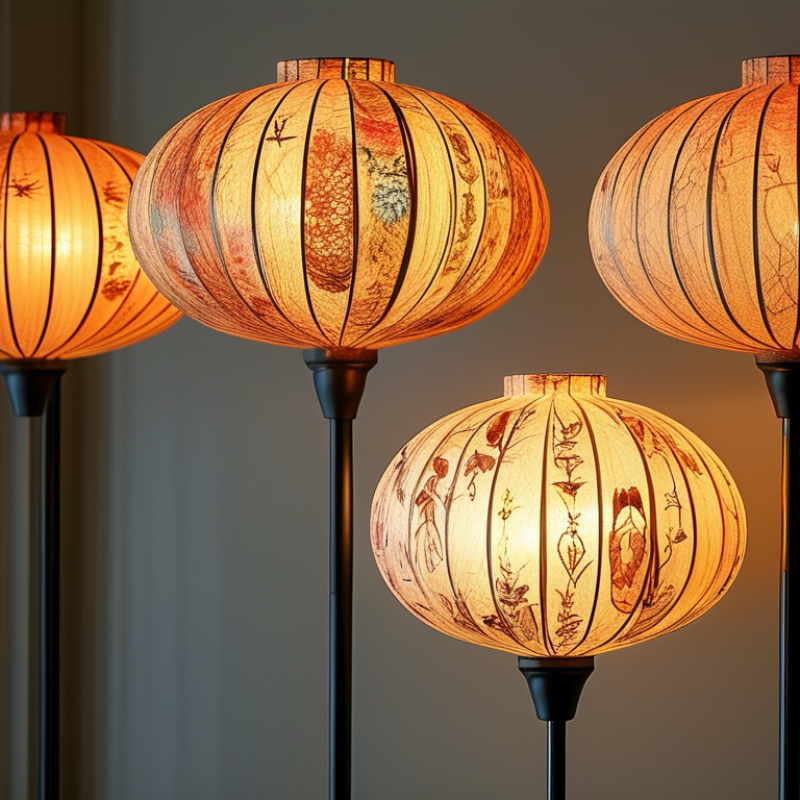
Understanding Wattage and Its Impact on Lighting Quality
Choosing the right wattage for your paper shade floor lamp can transform a room. Understanding wattage is key. It influences how much light your lamp emits, which affects the ambience. Too low wattage can leave your space dim. Conversely, too high can cause glare.
Consider the functionality of the room. A reading nook requires more light than a bedroom corner. It's vital to match wattage with purpose. For soft, relaxing light, lower wattage between 40 to 60 watts works well. For tasks needing focus, aim for 75 to 100 watts. The paper shade also diffuses light, impacting the quality.
Experiment with different wattages. Note how they feel in your space. You might find that what you expect isn't what you need. Over time, preferences can change as you adapt your environment. Make adjustments based on the mood you seek to create. Remember, lighting isn't just about brightness; it’s about setting the right tone.
Factors to Consider When Choosing Wattage for Paper Shade Floor Lamps
Choosing the right wattage for your paper shade floor lamp can significantly impact the ambiance and usability of your space. When selecting wattage, consider the lamp's purpose and the size of your room. For reading or focused tasks, higher wattage, like 100 watts, is often beneficial. However, for ambient lighting, a lower wattage of 60 watts may suffice.
Light intensity is crucial. A report by the American Lighting Association highlights that ambient light levels should be around 300 lux for comfortable reading. This suggests that you may need to adjust wattage based on the lamp’s distance from your activities. Paper shades diffuse light, softening brightness but can also lessen output. Therefore, paired wattage and shade design becomes essential.
Tip: Experiment with bulb types. LEDs consume less energy and provide brightness without high wattage. Alternatively, traditional incandescent bulbs offer warm, inviting light but can drain more energy. Another thought: consider dimmer switches to adjust brightness. They provide flexibility and can enhance your lamp's function while extending bulb life.
Reflect on your room’s overall decor and lighting needs. Too bright can make a space feel harsh, while too dim can lead to eyestrain. Balancing wattage with the right bulb type and shade design can create an inviting atmosphere.
Recommended Wattage Ranges for Various Room Sizes and Uses
When selecting the right wattage for your paper shade floor lamp, consider the size of the room and the purpose of the lighting. Research indicates that living rooms typically benefit from 150 to 200 watts. This range provides warm, ambient light ideal for relaxation and socializing. In a cozy reading nook, however, 100 watts may be sufficient for focused tasks.
For bedrooms, it's recommended to use 60 to 100 watts. This wattage offers a soft glow conducive to winding down. A study conducted by the American Lighting Association indicates that proper wattage can enhance not only mood but also productivity in home offices, suggesting around 100 to 150 watts for these spaces.
Evaluating your needs might reveal gaps. Consider how the lamp interacts with other light sources. Overly bright setups can cause eye strain. Conversely, insufficient wattage can leave you struggling to see well. The key is balancing ambiance and functionality, ensuring your chosen wattage serves multiple purposes throughout the day.
Recommended Wattage for Paper Shade Floor Lamps
This chart displays the recommended wattage for paper shade floor lamps based on the size of the room. For optimal illumination, smaller rooms typically require lower wattage, while larger areas demand higher wattage to ensure adequate lighting.
The Role of LED and Incandescent Bulbs in Wattage Selection
Choosing the right wattage for your paper shade floor lamp involves understanding the type of bulbs available. LED and incandescent bulbs are popular options. Each has unique characteristics that impact brightness and energy usage.
LED bulbs are energy-efficient choices. They produce less heat and have a longer lifespan. For a paper shade lamp, consider a lower wattage to prevent overheating. A 9-watt LED can offer a warm glow without damaging the shade. On the other hand, incandescent bulbs provide a warm light but consume more energy. A 60-watt incandescent may suit traditional lamps well, yet it can heat the shade excessively.
Balancing wattage with proper bulb choice is essential. Too high a wattage can lead to shade discoloration. In contrast, too low might result in insufficient illumination. It is beneficial to experiment a bit to find the sweet spot. Each setup may differ based on shade material and room size. Stay mindful, and adjust accordingly to achieve the perfect ambiance.
Balancing Aesthetic Appeal and Functionality in Wattage Choices
When choosing the wattage for your paper shade floor lamp, consider both aesthetics and functionality. The wattage affects not only the brightness but also the ambiance. A higher wattage can provide more light, ideal for reading or working. Yet, it may overwhelm a cozy corner meant for relaxation.
Soft, lower wattage can enhance the warm, inviting atmosphere. It is perfect for a living room or bedroom. However, insufficient lighting can lead to straining your eyes while reading. This balance demands careful thought. Consider the activities done in the space and choose a wattage that suits those needs.
It's also vital to reflect on the paper shade's design and color. They can diffuse light, impacting how bright or soft the glow appears. A darker shade may require a higher wattage for effective lighting. In contrast, lighter options can work well with lower wattages. Finding that perfect balance can transform your space, making it both functional and aesthetically pleasing.
How to Choose the Right Wattage for Your Paper Shade Floor Lamp?
| Wattage |
Lumens Output |
Recommended Use |
Aesthetic Considerations |
Functionality |
| 60W |
800 Lumens |
Ambient Lighting |
Warm and Inviting |
Basic Task Lighting |
| 75W |
1100 Lumens |
Reading Areas |
Stylish and Modern |
Enhanced Visibility |
| 100W |
1600 Lumens |
Well-Lit Spaces |
Bold and Dramatic |
Focus Lighting |
| 150W |
2600 Lumens |
Large Rooms |
Elegant and Luxurious |
Task and Ambient Lighting |
Conclusion
When selecting the right wattage for your paper shade floor lamp, it is essential to understand how wattage affects lighting quality. High wattage can provide brighter illumination, but it’s important to balance this with the aesthetic appeal of the lamp and the overall ambiance of the room. Consider factors such as room size and intended use, as different spaces may require varying levels of brightness.
For most paper shade floor lamps, it is crucial to check the manufacturer’s specifications to determine what is the maximum wattage for a paper shade floor lamp, as exceeding this limit can be hazardous. Generally, recommended wattage ranges vary from 60 to 100 watts, depending on the size of the room and the type of bulb used. Utilizing LED or incandescent bulbs can further influence your wattage choices, allowing for energy-efficient options while maintaining functionality and style in your lighting design.

 Quack Lamp