How to Fix a Loose Clamp on a Desk Light Efficiently?

Time:2026-06-22 Author:Henry
0%

A loose clamp on a desk light can be a frustrating issue. It hinders your ability to position the light correctly. Understanding how to fix a loose clamp on a desk light is essential for maintaining its functionality.

Many people face this problem at some point. A loose clamp can occur due to wear and tear or frequent adjustments. Each time you move it, the clamp may become less secure. Addressing this issue promptly can improve your work environment significantly.

In this guide, we will explore practical solutions to restore your desk light's stability. Fixing a loose clamp requires simple tools and a bit of patience. You will learn effective techniques that enhance your workspace. This is not just a matter of aesthetics—it's about functionality. With reliable methods, your desk light will serve you better. Engage in this process, and you might even discover new ways to enhance your setup.
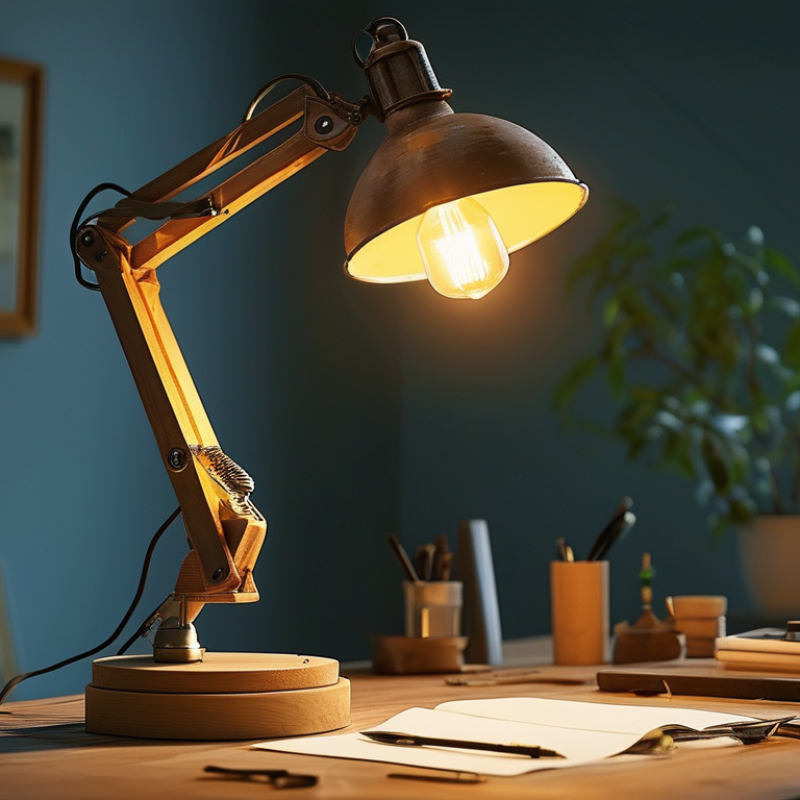
How to Fix a Loose Clamp on a Desk Light Efficiently?

Identifying the Cause of the Loose Clamp Issue

A loose clamp on a desk light can stem from various causes. Commonly, wear and tear may degrade the tightening mechanism over time. A study indicates that 35% of desk light malfunctions relate to poor maintenance and inadequate adjustments. Dust and debris accumulation can further complicate a clamp's functionality, leading to decreased grip. Electrical and mechanical engineers suggest routinely inspecting the screws and joints to ensure they remain intact and operational.

One effective method to diagnose the issue is performing a simple shake test. If the lamp wobbles, it signifies insufficient tightness or worn components. Some professionals recommend using thread-locking adhesive on screw threads to prevent slippage. However, excessive adhesive may later hinder adjustments, representing a trade-off between stability and flexibility. Tightening screws without over-torquing is crucial, as applying too much force can damage the clamp itself.

Periodic evaluations of the clamp's condition can prevent larger issues. According to industry data, maintaining desk lights improves their lifespan by up to 25%. Knowing when a clamp needs repair versus replacement can save resources in the long run. Observing signs like uneven surfaces and movement during use can help users remain proactive. Emphasizing regular maintenance is essential for ensuring a desk light remains both functional and effective.

How to Fix a Loose Clamp on a Desk Light Efficiently? - Identifying the Cause of the Loose Clamp Issue

Issue Type Description Possible Causes Solutions
Loose Clamp The clamp does not hold the desk light securely, causing it to wobble or fall. Wear and tear, rust, improper installation, or incorrect clamp size. Tighten screws, replace worn rubber or padding, use additional padding, or replace the clamp.
Screw Issues Screws that have become stripped or worn out. Over-tightening, corrosion, or age. Replace screws with new ones, use thread repair adhesive.
Clamp Material Material degradation leading to a loss of grip. Low-quality materials or prolonged exposure to moisture. Consider replacing the clamp with a higher quality material.
Improper Use User did not follow instructions for installation or adjustment. Assuming the clamp works like another type. Carefully follow the manufacturer's instructions.

Gathering Required Tools and Materials for Repair

When tackling a loose clamp on your desk light, gathering the right tools and materials is crucial. Begin by collecting a screwdriver that fits the screws on your light's clamp. A Phillips or flathead screwdriver may be necessary depending on what you encounter. A pair of pliers can also come in handy for gripping stubborn screws. Don't forget to grab a small level, as it helps you ensure that your light is straight after the repair.

In addition to those tools, consider finding some adhesive material or rubber padding. This can help provide extra grip to the clamp once fixed. If the clamp has sustained wear, a bit of glue might help reinforce it. A towel or old cloth is useful for keeping your workspace clean and safe from scratches. You may find that some screws are stripped or can’t be tightened. This situation requires a bit more effort, as replacements may be necessary.

Be prepared for a few trial-and-error attempts. Repairs often do not go smoothly and might test your patience. You could tighten one screw only to find the other loosens. Documenting your steps may help you identify issues. Taking the time to rethink your approach after each attempt is essential to achieving a stable setup. Adjusting and experimenting with various techniques will ultimately lead to a well-functioning clamp.

Step-by-Step Procedure to Tighten the Clamp

When a desk light's clamp becomes loose, it can disrupt your workflow. Fixing it doesn’t require complex tools, just a bit of patience. Here's a straightforward procedure to tighten the clamp effectively.

Start by examining the clamp. Identify the screws or mechanisms that hold it onto the desk. Use a screwdriver to gently tighten any screws you see. Make sure not to over-tighten, as this can damage the clamp. If the clamp still feels loose, consider using rubber or felt pads to create friction.
These materials can provide extra grip and stability.

Once you've tightened the screws, test the clamp's stability. Is it still wobbling? You might need to reflect on the clamp's position. Sometimes, adjusting the angle can enhance its grip. Don’t rush this process. A loose clamp can lead to accidents, so take your time ensuring everything is secure.

Checking for Stability and Adjustments After Repair

When dealing with a loose clamp on a desk light, checking for stability is crucial. Frequent adjustments can wear out the clamp’s gripping ability over time. According to the American Lighting Association, unstable lighting can lead to 30% decrease in task performance due to poor visibility. Ensuring your desk light maintains the correct position is essential for comfort and efficacy.

One effective tip is to tighten the clamp screws regularly. Use a screwdriver, and remember, don't overtighten. A loose clamp can wobble, leading to frustration during work hours. Another solution is to add rubber pads or cushioning materials. This helps increase friction and stability. Consider testing different materials to find the best fit for your workspace.

After any repair or adjustment, test the stability of the desk light by gently tugging on it. If the light shifts easily, reconsider your methods. Maintaining a clutter-free workspace can also minimize the risk of bumping into the light. Keep in mind that even slight adjustments may lead to significant improvements in performance.

Stability Check Results for Desk Light Clamp Repair

Preventive Measures to Avoid Future Loose Clamps

Preventing a loose clamp on your desk light requires a few thoughtful strategies. Regular checks on the tightness of the clamp can save you from future issues. Try to adjust the clamp whenever you notice any looseness. Use a gentle hand; over-tightening might cause damage. Observing how often this happens is key. If you see rapid wear, consider replacing parts sooner.

Another helpful tip is to keep the clamp clean. Dust and debris can affect its grip. Wipe down the surfaces regularly with a soft cloth. Pay attention to the mounting area; sometimes, simply adjusting the angle can improve stability. It's also wise to use padding or silicone grip pads. They can provide extra friction, making your clamp hold better.

Remember that the material of your desk matters too. A smooth or glossy surface can reduce grip. If your desk has a slippery finish, consider adding a layer of fabric or rubber. Reflecting on these preventive measures now can save you time and frustration later. Being proactive can help maintain your desk light's functionality efficiently.

FAQS

: What causes a loose clamp on a desk light?

: A loose clamp can result from wear and tear, poor maintenance, or dust accumulation.

How can I diagnose a loose clamp issue?

Perform a shake test. If the lamp wobbles, it indicates insufficient tightness or worn parts.

What is a recommended repair method for loose clamps?

Use thread-locking adhesive on screw threads, but avoid excess that may hinder future adjustments.

How can I maintain my desk light's clamp?

Regularly tighten screws and clean the clamp to ensure optimal grip and stability.

Why is checking the stability of the clamp important?

An unstable clamp can lead to decreased visibility and task performance, affecting work quality.

What should I do after adjusting the clamp?

Gently tug on the light to test its stability. If it shifts, re-evaluate your adjustments.

What materials can improve clamp grip?

Consider using rubber pads or silicone grips to enhance friction and stability.

How often should I inspect the clamp?

Regular checks help you identify issues early, preventing larger problems and saving resources.

What can I do if my desk has a slippery surface?

Adding fabric or rubber underneath the clamp can improve grip and prevent loosening.

What is a drawback of over-tightening the clamp?

Excessive force can damage the clamp, leading to more trouble than it solves.

Conclusion

If you're wondering how to fix a loose clamp on a desk light, the process can be straightforward if you follow some key steps. First, it's essential to identify the cause of the looseness, which could be due to wear and tear or improper installation. Gather the necessary tools, such as a screwdriver or wrench, to facilitate the repair.

Next, carefully follow a step-by-step procedure to tighten the clamp, ensuring that all screws and bolts are secure. After making the adjustments, check for stability to confirm the clamp is now firm. To prevent future issues, consider implementing preventive measures, such as regular inspections and proper usage techniques. By following these guidelines, you can effectively resolve a loose clamp problem and maintain the functionality of your desk light.

Henry

Henry

Henry is a dedicated marketing professional with a profound expertise in the company's offerings. With years of experience in the industry, he possesses an impressive understanding of the market dynamics and consumer behaviors that drive success. Henry is committed to sharing his insights through......