When facing the frustrating issue of "why is my rechargeable cordless lamp not holding a charge," many users are left perplexed. David L. Smith, a leading expert in portable lighting solutions, highlights that "battery performance can be influenced by several factors." Understanding these factors will empower users to troubleshoot effectively.
Rechargeable lamps can lose their charge for many reasons. Aged batteries may no longer hold power as they once did. Improper charging practices can also lead to diminished battery life. For instance, leaving the lamp uncharged for long periods can impact its overall functionality. Regular maintenance can mitigate these issues.
Users often overlook specific details. For example, the environment where the lamp is used can affect performance. Extreme temperatures can degrade battery life quickly. If you find yourself asking, "why is my rechargeable cordless lamp not holding a charge," it may be time to evaluate both your usage and the lamp's condition. Adopting a more mindful approach can lead to a more reliable and long-lasting light source.
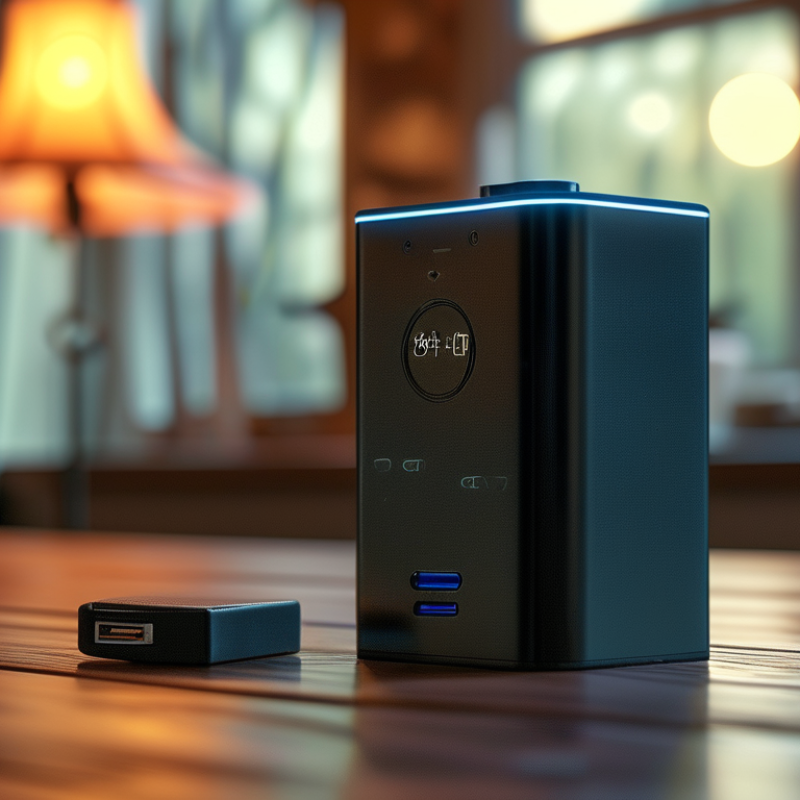
Rechargeable cordless lamps have gained popularity due to their convenience and portability. They are often used in homes and offices. Understanding their basics can help you troubleshoot common issues, such as holding a charge. According to a recent industry report, nearly 30% of consumers experience reduced battery life within the first year of use.
Batteries in these lamps typically degrade over time, resulting in shorter usage periods. Lithium-ion batteries, commonly used, can last around 2-3 years with proper care. Regular overcharging can significantly diminish their lifespan. About 20% of users reported not reading the manual, which may lead to incorrect charging practices. Misunderstanding battery health signals can cause frustration when lamps fail to hold a charge.
One common mistake is failing to allow the battery to discharge completely before recharging. Doing so can create a memory effect, reducing capacity. Furthermore, storage conditions play a crucial role. Storing lamps in extreme temperatures can also negatively impact battery performance. While users often expect flawless operation, batteries are not infallible. Recognizing these factors can enhance the longevity and performance of your rechargeable cordless lamp.
When your rechargeable cordless lamp fails to hold a charge, several factors may contribute to the issue. One common reason is the battery's age. Over time, batteries lose their capacity to hold a charge. This degradation can happen unexpectedly, even within a few years. Heat exposure can also affect battery life. If your lamp is placed in direct sunlight or near a heater, the heat may damage the battery.
Another issue might be the charging mechanism itself. A faulty charger can prevent the battery from receiving the necessary power. Inspect the charger for any visible damage. Additionally, check the charging port for dust or debris that could hinder connectivity. Regular cleaning can improve battery performance.
Sometimes, user habits lead to poor battery life. Letting the lamp fully drain before charging can harm the battery. Instead, aim to recharge periodically. Using the lamp on high settings continuously can also deplete the battery faster. While it's normal for batteries to degrade, reflecting on usage patterns can extend the life of your cordless lamp.
Troubleshooting cordless lamp charging issues can be frustrating. Many users report that their lamps do not hold a charge effectively. It’s essential to pinpoint the problem. Check your charger first. Ensure it’s plugged in securely. A faulty charger can lead to poor charging performance.
Next, examine the battery itself. Over time, rechargeable batteries degrade. According to industry reports, batteries lose efficiency after about 500 charge cycles. If yours is older or frequently used, it may need replacing. Look for any physical damage. Swollen or leaking batteries are signs of failure.
Lastly, consider environmental factors. Excessive heat or cold can affect charging abilities. The ideal temperature for most rechargeable devices is between 60°F and 80°F. If your lamp is consistently exposed to extreme temperatures, it might not charge correctly. Reflecting on these aspects can improve your lamp’s performance dramatically.
This chart illustrates the average battery life of rechargeable cordless lamps over time. As the usage duration increases, the battery life diminishes significantly, which is a common issue encountered by users.
Proper maintenance of your rechargeable cordless lamp is essential to ensure its battery life is optimized. One key tip is to avoid charging the lamp immediately after use. Allow the battery to cool down before plugging it in. This simple step can prevent overheating and extend the battery's lifespan. Always use the manufacturer's recommended charger. An incorrect charger can lead to damage over time.
Regularly clean the charging contacts as dust can hinder efficient charging. A soft, dry cloth often does the trick. It's also wise to store the lamp in a cool, dry place when not in use. Extreme temperatures can affect the battery performance.
Reflecting on these points, many users overlook the importance of these practices. We often rush through charging or dismiss the environment's impact on battery health. Awareness of these factors can lead to better maintenance and longer usage. Always take a moment to consider how you care for your rechargeable lamp. It could save you from future frustrations.
When it comes to cordless lamps, battery life is essential. Knowing when to replace the battery can save you time and frustration. Research indicates that rechargeable batteries typically last from 2 to 3 years, depending on usage patterns. Regularly draining and charging the battery can help prolong its lifespan, but over time, capacity diminishes.
Noticing shorter operation times can signal that your battery needs replacement. If the lamp fails to hold a charge beyond a few hours, it is time for a change. Data from industry reports highlights that nearly 40% of users experience degraded battery performance due to overuse or neglect. Checking for signs of swelling or leakage is also crucial. These issues indicate serious battery problems.
Understanding the average lifespan of batteries can guide your decisions. Keep a record of your battery’s performance over time. Analyzing this trend may reveal an underlying issue. It’s common for batteries to lose efficiency without any visible signs. Eventually, the question arises: is the inconvenience worth a simple battery swap?
: They are popular for their convenience and portability, used in homes and offices.
With proper care, they last about 2-3 years before degrading.
Regular overcharging can significantly reduce the battery's lifespan.
Allow the battery to cool before charging and avoid immediate recharging after use.
Check the charger and ensure it’s secure. A faulty charger affects performance.
Storing lamps in extreme heat or cold can negatively impact their charging ability.
Not reading the manual may lead to incorrect charging practices and frustration.
Storing in inappropriate temperatures can lead to decreased battery life and function.
Signs like swelling or leaking indicate that the battery may need replacing.
Regular cleaning can prevent dust issues that hinder charging efficiency.
If you're wondering, "why is my rechargeable cordless lamp not holding a charge," it's essential to grasp the fundamentals of how these lamps operate. Rechargeable cordless lamps rely on battery technology, which can degrade over time or may be affected by various factors. Common reasons for poor battery performance can include age, improper charging practices, or environmental conditions that hinder battery efficiency.
To resolve charging issues, you can follow a series of troubleshooting steps, such as ensuring the charging port is clean and verifying that the charger is functioning correctly. Additionally, regular maintenance can greatly enhance your lamp's battery life; this includes avoiding overcharging and storing the lamp in appropriate conditions. Ultimately, knowing when to replace the battery is crucial for the ongoing functionality of your cordless lamp, ensuring you always have reliable lighting when needed.

Quack Lamp