Difference Between Task Lighting and Ambient Lighting Explained

Time:2026-07-01 Author:Mason
0%

Lighting plays a crucial role in our daily lives. It affects our mood, productivity, and even health. When designing a space, choosing the right type of lighting is essential. Many people wonder, "what is the difference between task lighting and ambient lighting?" Understanding this difference allows for better decision-making in home and office environments.

Task lighting is specific and focused. It is used for activities like reading, cooking, or working. Examples include desk lamps, under-cabinet lighting, and sewing lights. These fixtures help reduce strain on the eyes. Ambient lighting, on the other hand, offers general illumination. It fills a room with light and sets the overall tone. Ceiling fixtures and floor lamps are common ambient lighting examples.

Choosing the right lighting requires thought. Blending both types can enhance functionality and comfort. A well-lit room supports various activities. However, overusing one type may lead to a poorly balanced environment. It's important to consider each area’s needs. Creating a harmonious blend of task and ambient lighting can transform any space.
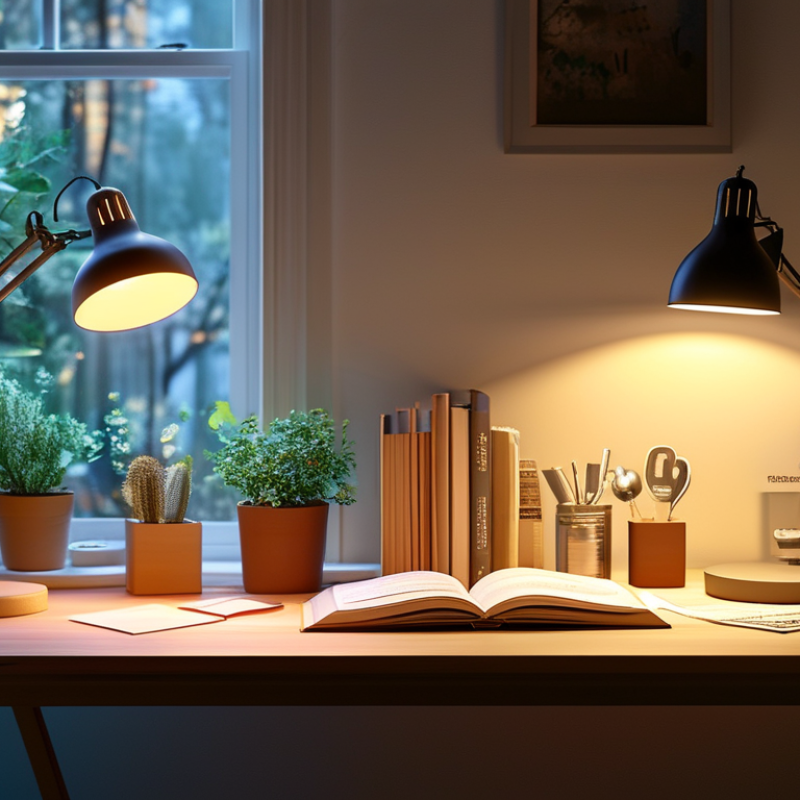
Difference Between Task Lighting and Ambient Lighting Explained

Definition of Task Lighting and Its Purpose

Task lighting is essential for focused activities. This type of lighting is specifically designed to illuminate the areas where tasks are performed. For example, reading, writing, or sewing all require a concentrated light source. Task lighting helps reduce eye strain and enhances clarity. A well-lit workspace can boost productivity and comfort.

The purpose of task lighting goes beyond mere visibility. It creates an environment conducive to concentration. Think of a desk lamp providing light for late-night work. The right light can improve your efficiency. However, it is important to remember that too much brightness can also be distracting. Choosing the right intensity and angle is vital. A poorly positioned light may cast shadows and create glare.

While task lighting is necessary, it should not be the only source in a room. Balancing it with ambient lighting can create a harmonious setting. Ambient lighting provides a general illumination level, while task lighting focuses on specific areas. Find the right combination to suit your needs. Reflect on your workspace's lighting and adjust as needed.

Comparison of Task Lighting and Ambient Lighting

Definition of Ambient Lighting and Its Purpose

Ambient lighting plays a crucial role in any space, providing a foundation for overall illumination. Its primary purpose is to create a comfortable and uniform light level across a room. This type of lighting helps reduce harsh shadows and glare, which can be uncomfortable for the eyes. According to a study published in the Journal of Interior Design, 70% of respondents stated that proper ambient lighting significantly improved their mood and productivity in work environments.

Many professionals recommend a combination of natural and artificial sources for ambient lighting. Research suggests that well-lit spaces enhance cognitive function and creativity. A report from the American Society of Interior Designers indicates that environments with quality ambient lighting can increase workplace efficiency by 20%. When designing your space, consider the effect of natural light, as it can enhance the overall ambiance.

However, achieving the perfect balance can be challenging. Overly bright rooms can become uncomfortable, while dim lighting may hinder functionality. The International Association of Lighting Designers emphasizes the importance of tailoring ambient lighting to the specific activities in a space. It’s essential to assess how lighting impacts behavior and productivity to create ideal environments.

Key Differences Between Task and Ambient Lighting

When discussing lighting in a space, it's crucial to understand the differences between task and ambient lighting. Task lighting serves a specific function. It's focused and bright, ideal for activities like reading or cooking. Consider a desk lamp that illuminates your work area sharply. This focused light reduces eye strain and enhances visibility for detailed tasks.

Ambient lighting, in contrast, creates an overall glow in the room. It sets the mood and provides a comforting backdrop. Think of the soft glow from overhead fixtures or wall sconces. This type of lighting is often softer and less direct. It can sometimes leave darker corners in a room, which may not be ideal.

Striking the right balance between these two types is essential. In practice, it can be tricky to achieve this balance. A workspace might feel too harsh with excessive task lighting. Alternatively, too much ambient lighting can dampen the functionality of a work area. Evaluating your lighting needs regularly can lead to a more inviting and functional environment.

The interplay of these lighting types reflects the character of your space. It’s a dance of light and shadow that deserves thoughtful consideration.

Best Applications for Task Lighting in Home and Office

Task lighting is essential for enhancing focus and productivity in both home and office settings. Studies suggest that adequately lit work areas can boost productivity by up to 30%. Lighting affects our mood and efficiency. Therefore, having the right fixtures in designated areas is crucial.

In home environments, task lighting is perfect for kitchens and reading nooks. Under-cabinet lights make food preparation easier, reducing strain on the eyes. In offices, desk lamps with adjustable brightness help maintain attention during long hours. With proper task lighting, individuals report feeling more energized and less fatigued.

However, not everyone considers the placement of lighting fixtures. A survey revealed that nearly 40% of people struggle with shadows cast by inadequate lighting. Ensuring adequate illumination is critical. Additionally, mismatched lighting can lead to discomfort, influencing work efficiency negatively. Evaluating and adjusting your light sources might be necessary to create the most effective workspace.

Best Applications for Ambient Lighting in Home and Office

Ambient lighting is essential in both home and office spaces. It provides a soft glow, creating a comfortable atmosphere. This type of lighting promotes relaxation and makes areas appear more inviting. It can fill a room with light, reducing harsh shadows and blending well with task lighting.

In home settings, ambient lighting works wonders. Consider using floor lamps or wall sconces. They add warmth without being overwhelming. In a workspace, pendant lights or diffused ceiling fixtures can enhance focus while maintaining a calm environment. Ensure there is enough light to support daily tasks. However, too much ambient light can lead to glare and distractions, so balance is key.

Creating the right ambiance takes thought and experimentation. Adjusting the position and brightness of your light sources can make a big difference. Personal preferences play a role; what suits one person may not work for another. Be open to trying different designs. Reflect on your choices and their impact on mood and productivity.

FAQS

: What is task lighting?

: Task lighting is designed to illuminate areas where focused activities occur, like reading or writing.

Why is task lighting important?

It reduces eye strain and enhances clarity, leading to better productivity and comfort.

How does task lighting improve efficiency?

Proper task lighting creates a conducive environment for concentration, boosting work output.

Can too much brightness be an issue?

Yes, excessive brightness can be distracting. Intensity and angle are crucial to consider.

Should task lighting be the only light source?

No, it should be balanced with ambient lighting for a harmonious setting.

Where is task lighting most effective in homes?

Task lighting works well in kitchens and reading nooks, aiding activities like food preparation.

What role does placement play in task lighting?

Poorly placed lights can create shadows and glare, affecting visibility and comfort.

How can task lighting affect mood?

Adequate lighting influences mood and efficiency, making work feel less tiring.

What is a common problem people face with lighting?

Many struggle with shadows due to inadequate lighting placement, affecting their work.

What should you do if your lighting isn't effective?

Evaluate and adjust the light sources to create a more effective workspace.

Conclusion

Understanding "what is the difference between task lighting and ambient lighting" is crucial for optimal home and office illumination. Task lighting is defined as focused lighting designed to facilitate specific activities such as reading, writing, or cooking, thus enhancing functionality and reducing eye strain. In contrast, ambient lighting refers to the overall illumination in a space, creating a comfortable and inviting atmosphere without focusing on any particular task.

The key differences lie in their purposes and applications; while task lighting serves to support particular tasks, ambient lighting establishes the mood and tone of the environment. Ideal examples of task lighting include desk lamps and under-cabinet lights in kitchens, whereas ambient lighting can be achieved through ceiling fixtures and wall sconces that provide a warm glow throughout a room. Recognizing these distinctions helps in effectively designing both residential and workspaces to meet specific lighting needs.

Mason

Mason

Mason is a seasoned marketing professional with a deep expertise in the company's offerings and a passion for driving brand awareness. With a strong background in digital marketing strategies, he has an innate ability to connect with diverse audiences and effectively communicate product benefits.......