Precision-engineered translucent configurations and versatile functional luminaires tailored for high-end specification requirements across hospitality, retail, and industrial applications.
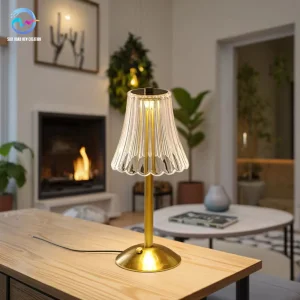
An authoritative analysis of optical polymers, micro-diffuser technologies, structural ergonomics, and global procurement architectures for custom OEM table lighting implementations.
The contemporary global architectural and decorative lighting market is undergoing a seismic paradigm shift driven by integrated micro-electronics, sophisticated material physics, and human-centric spatial paradigms. Within this ecosystem, translucent table lights represent a distinct synthesis of direct task illumination and ambient glare-free spatial distribution. Unlike conventional opaque-shaded luminaires that restrict light emission to bidirectional apertures, translucent diffusers function as volumetric isotropic light sources. They distribute light harmoniously across three dimensions, drastically lowering the contrast variance within spatial volumes.
From an architectural procurement standpoint, commercial enterprises such as international hotel networks, multi-regional corporate real estate developers, and large-scale healthcare facilities face significant engineering challenges. These include balancing lumens-per-watt efficiency, maintaining stringent Unified Glare Rating (UGR) targets below 19, and aligning with brand aesthetic constraints. Specialized OEM/ODM manufacturing fills this operational gap by utilizing advanced optical materials—including high-molecular-weight Polyethylene Terephthalate Glycol (PETG), custom-formulated Polymethyl Methacrylate (PMMA), and sintered mineral-filled resins—to provide high-transparency diffusers without exposing hot spots from underlying LED chip arrays.
To execute a flawless translucent aesthetic, our R&D engineering divisions manipulate materials at a microscopic level. Standard transparent injection plastics allow light to pass unmodified, which exposes the sharp, harsh points of LED chips. To combat this, we embed microscopic cross-linked silicone spherical scattering particles directly into the polymer matrices during compounding. When light waves strike these phase-separated microscopic boundary lines, refraction and scattering occur continuously across the entire subsurface volume, transforming directional point-source light into uniform volumetric ambient glow.
Furthermore, our materials engineering addresses the structural and physical degradation issues common in lower-grade commercial alternatives:
Custom OEM translucent table lighting solutions adapt directly to specific project environments, offering diverse functional and visual advantages:
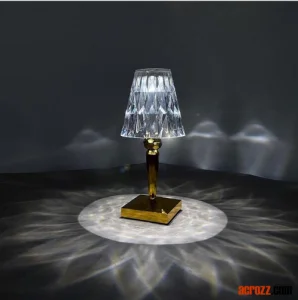
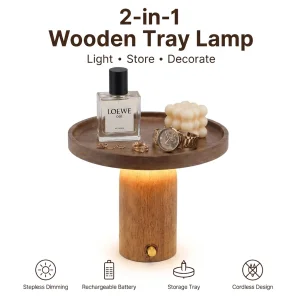
Hospitality Systems (Hotels, Lounges, and Fine Dining): In premium hospitality spaces, visual environment and ambiance directly impact guest retention and brand equity. Cordless, battery-powered translucent crystal and acrylic table luminaires eliminate visual clutter from power cables on dining surfaces, while providing touch-activated step-less dimming. These systems deliver an warm, intimate color temperature environment (ranging from 1800K to 2700K) that elevates interior aesthetics.
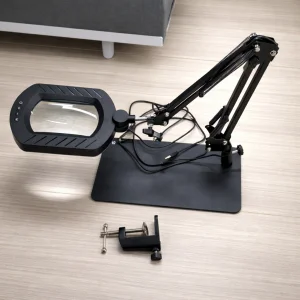
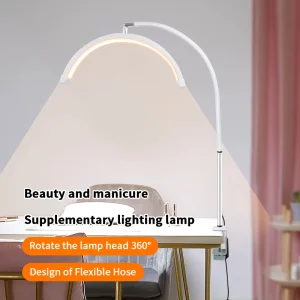
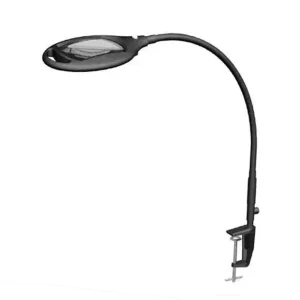
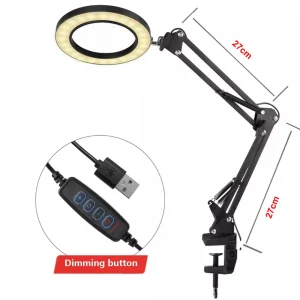
High-Performance Workspaces & Reading Contexts: For professional settings, task lamps must incorporate flexible articulation with high magnification and clean diffusion. Our integrated magnifying clamp lamps utilize ring-configured SMD arrays wrapped in translucent polycarbonate shields, providing shadow-free, high-intensity task lighting across a 10X magnification sweet spot. This technical design significantly reduces visual fatigue during detailed mechanical inspection, dental operations, and cosmetic work.
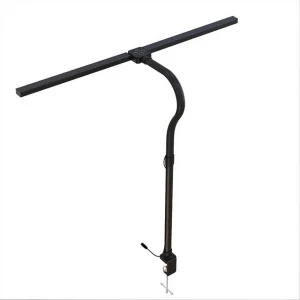
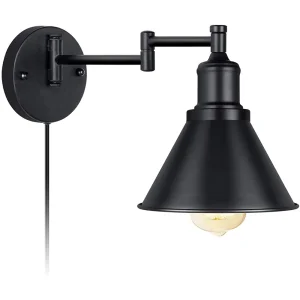
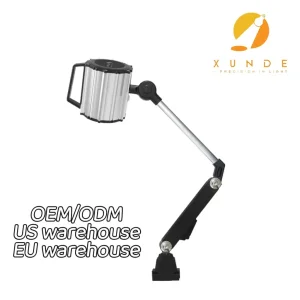
Severe Industrial Environments & Machining Centers: Heavy-duty manufacturing environments require resilient lighting architectures. For CNC machine tool cells and heavy workshops, our long swing-arm industrial work lights feature fully sealed IP65 ingress protection, die-cast aluminum frames, and chemical-resistant translucent glass panels. These configurations withstand exposure to oil mist, synthetic coolants, and violent mechanical vibrations while maintaining reliable luminous performance.
Shaoxing Quack Lamp Co., Ltd. is a premier lighting enterprise specializing in the research, development, engineering, and global export of technical illumination solutions. Operating advanced SMT lines, automated injection molding plants, and meticulous optoelectronic validation labs, we specialize in high-efficiency OEM and ODM engineering services.
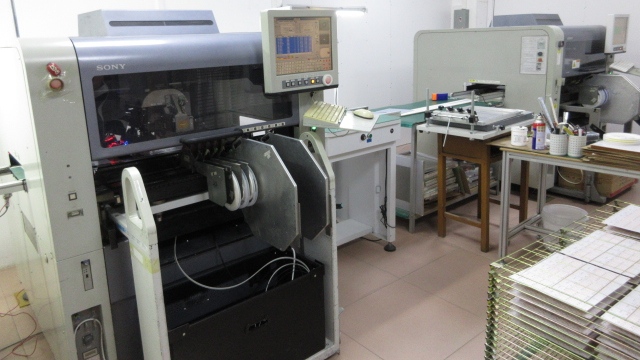
SMT Process
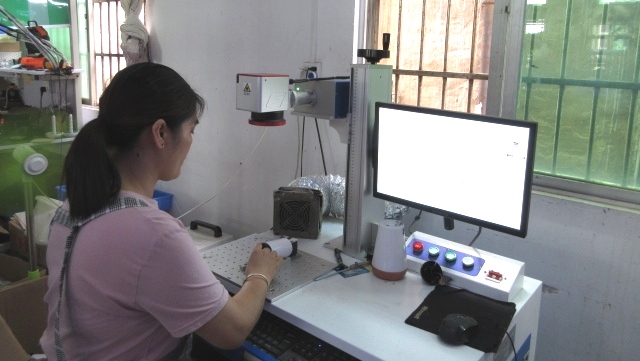
Laser Marking
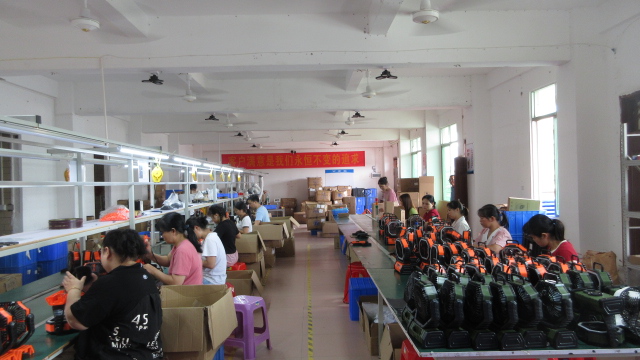
Assembly Plant
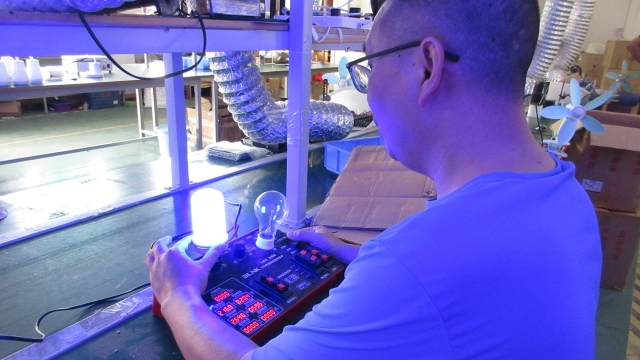
Optoelectronic Testing
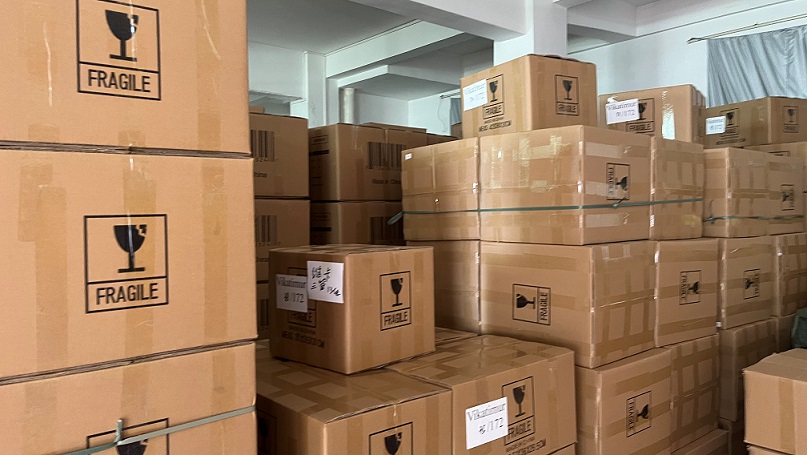
Finished Goods Warehouse
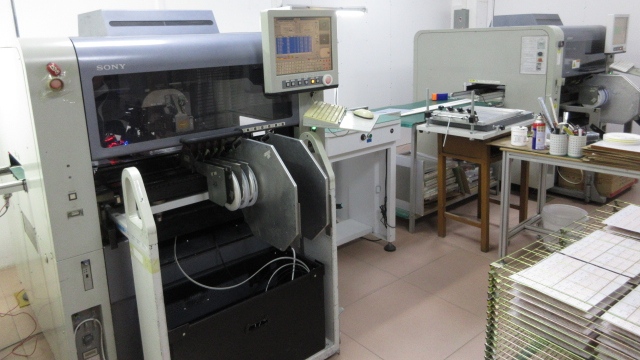
High-Speed SMT Equipment
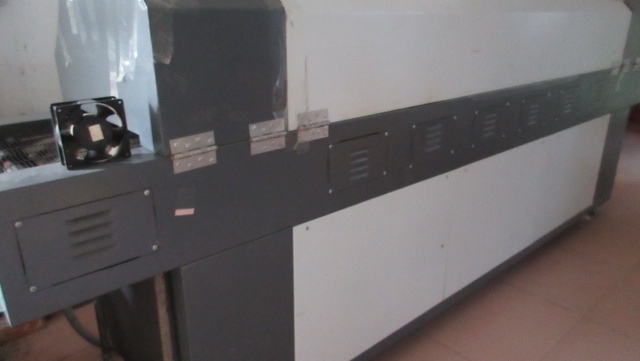
Automated Reflow Soldering
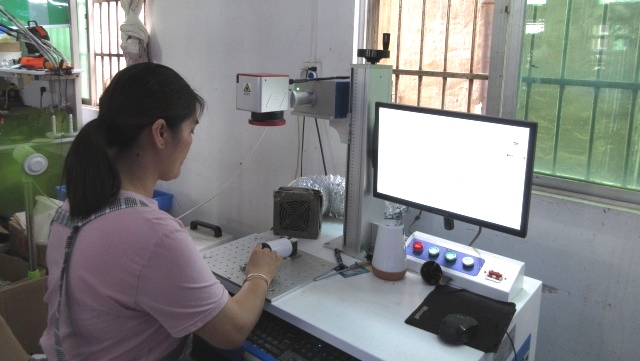
Laser Marking Infrastructure
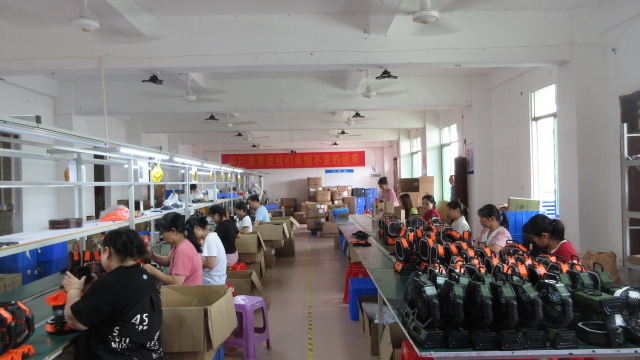
Assembly Line Complex
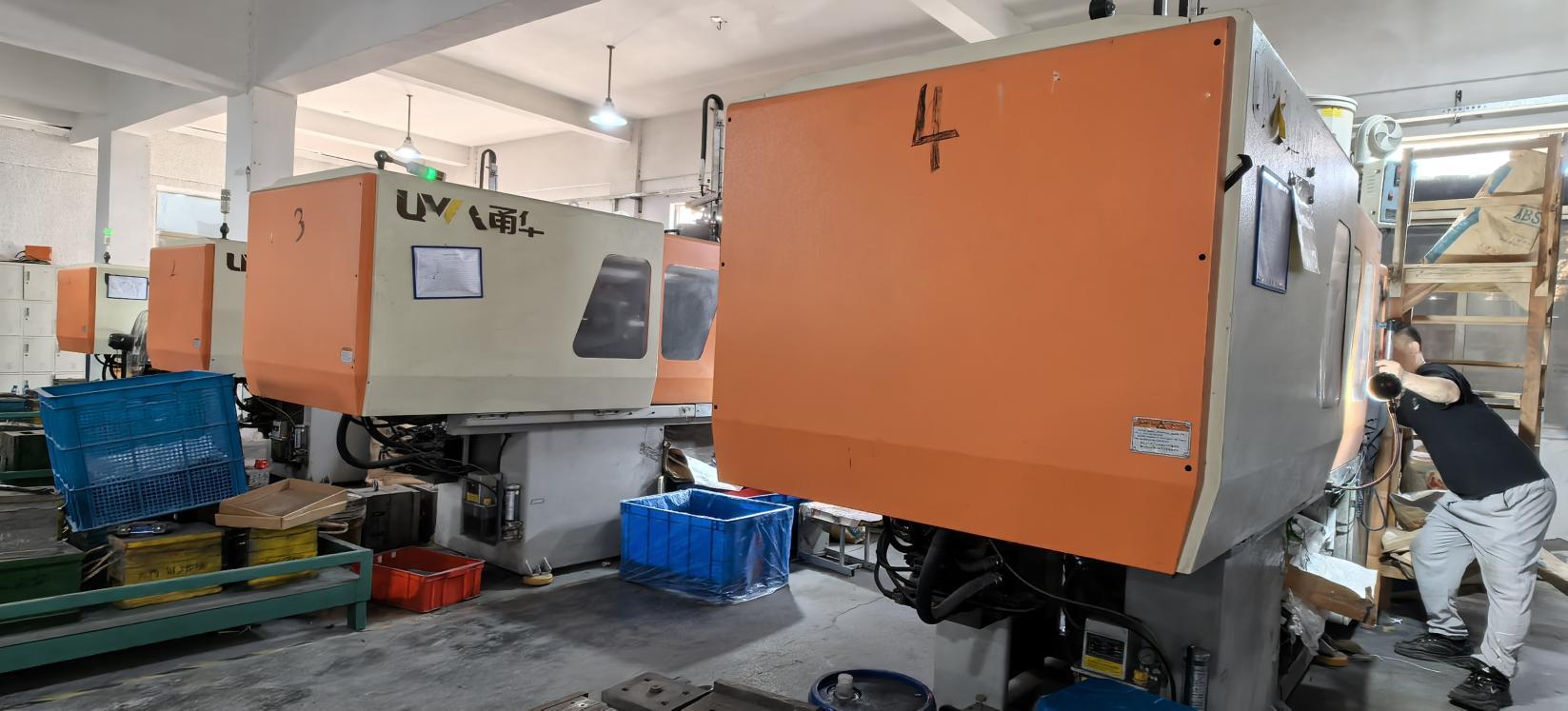
Precision Injection Molding
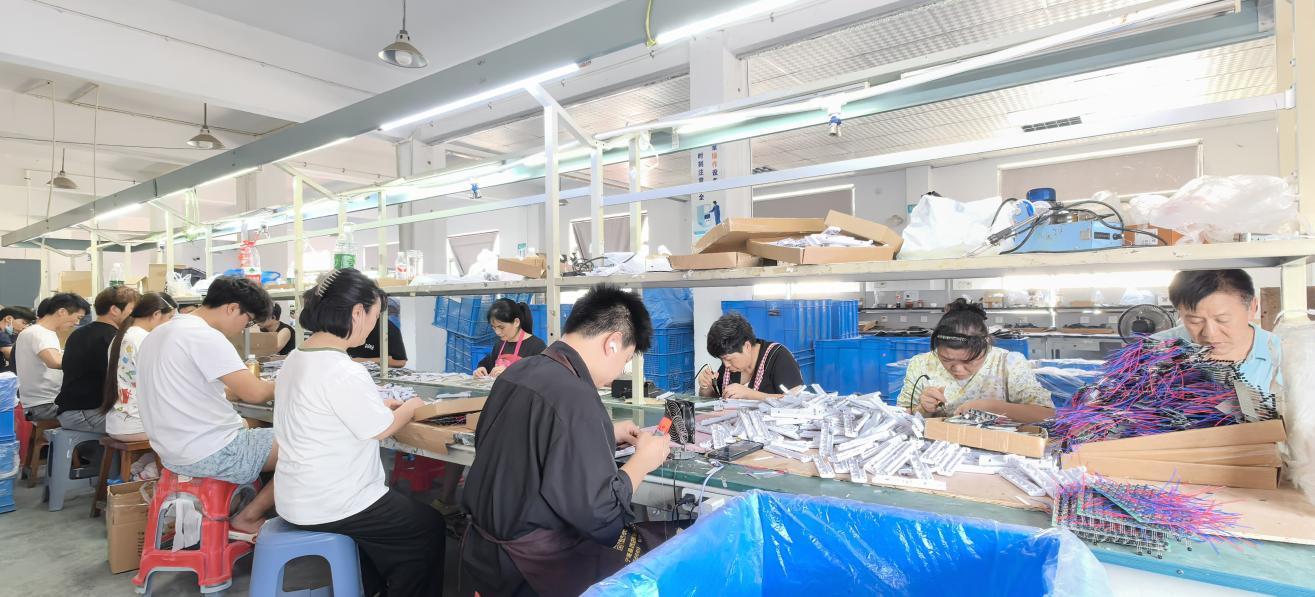
Electronic Component Sorting
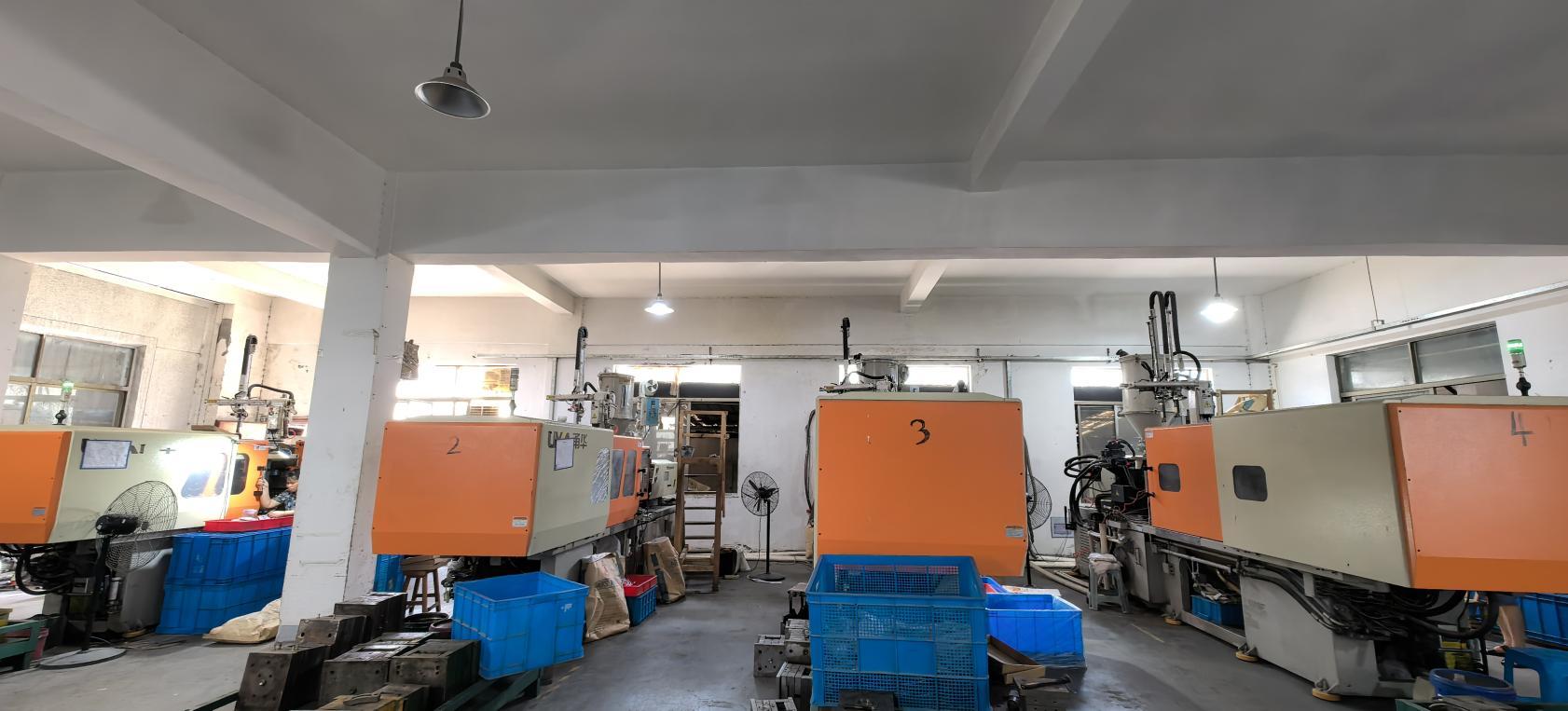
Injection Molding Machinery
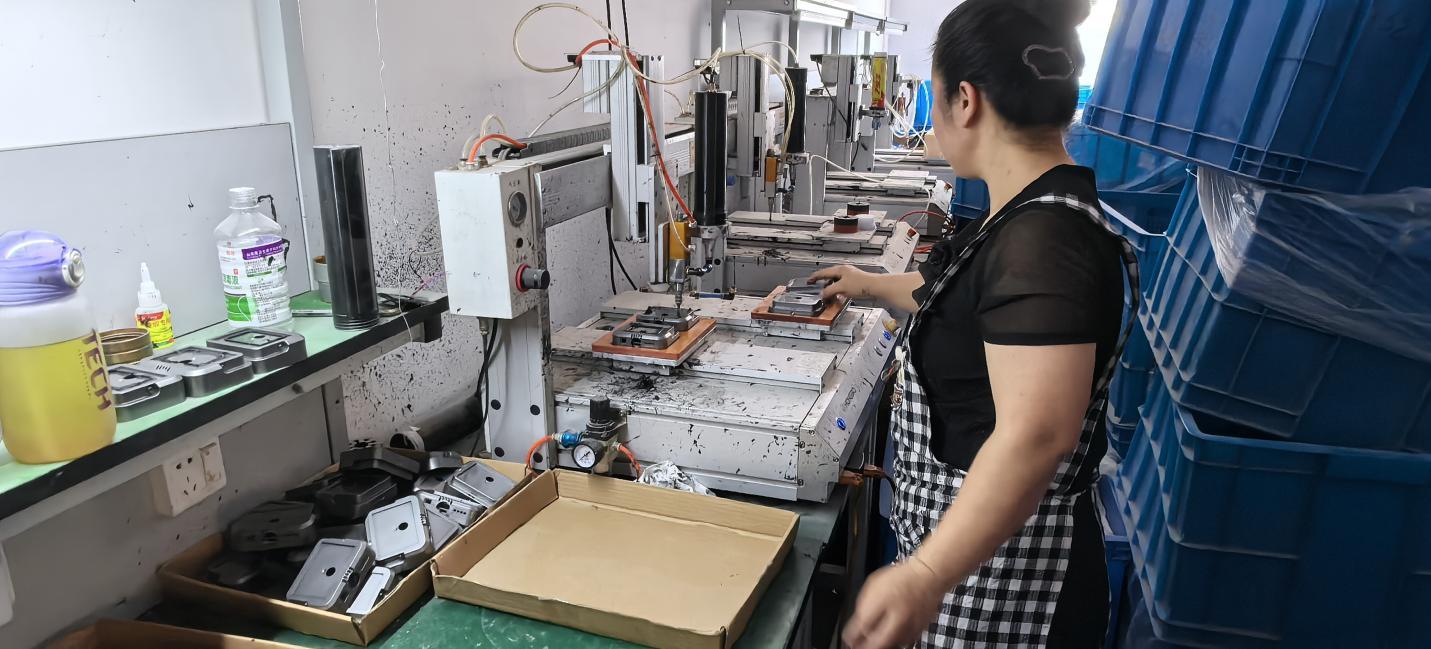
Automatic Dispensing Machine
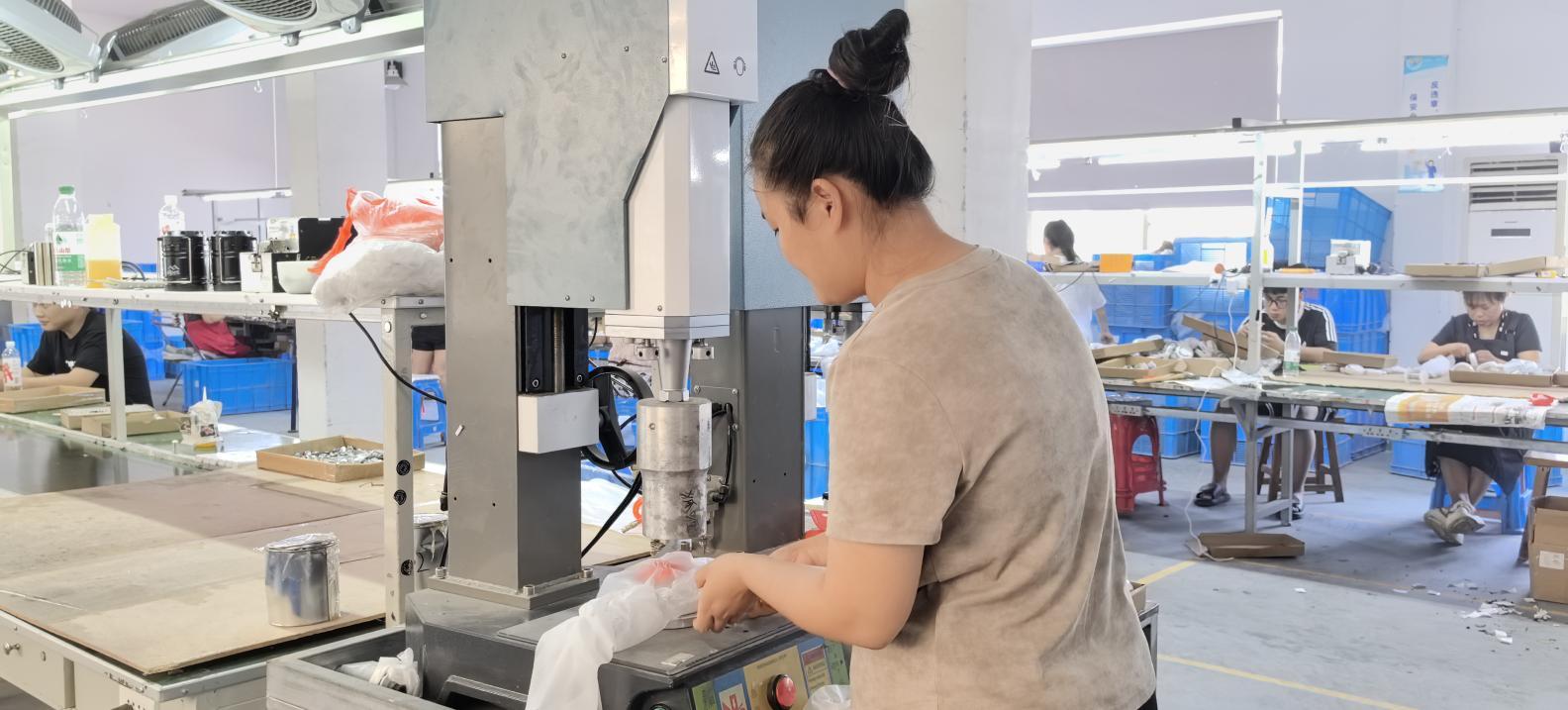
Ultrasonic Welding Center
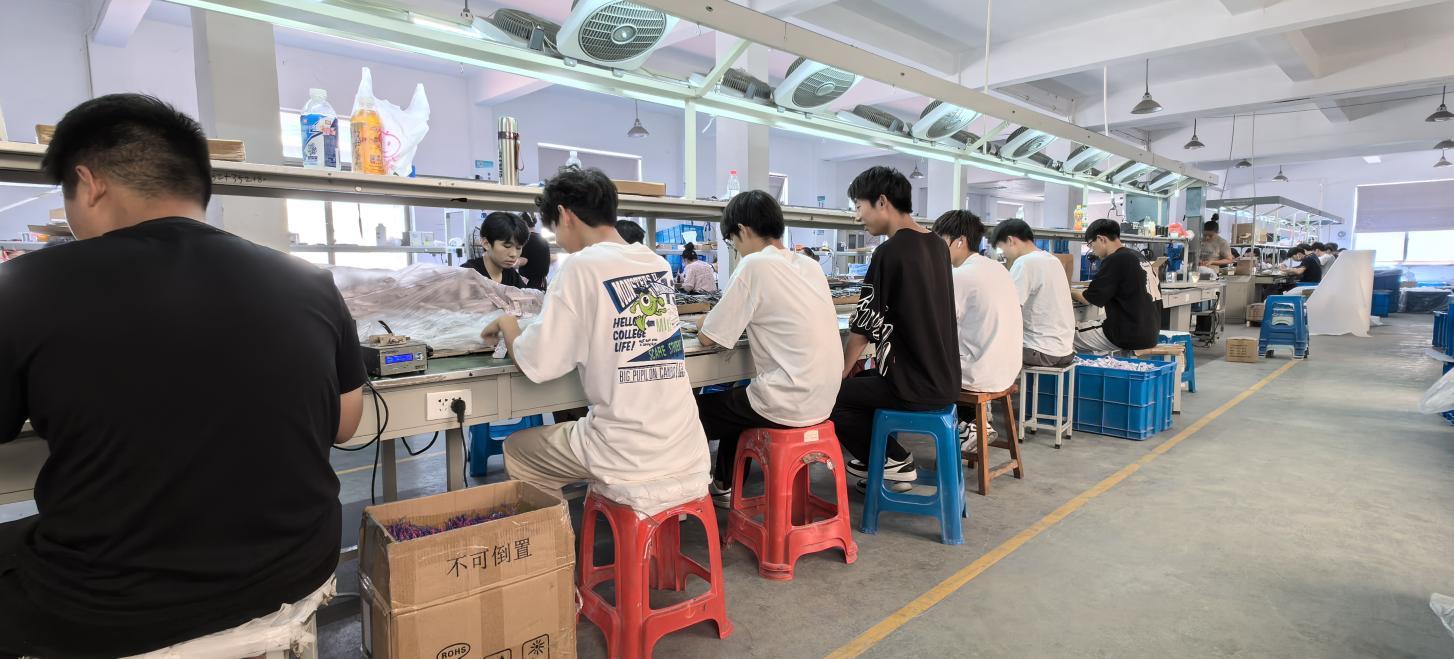
Final Assembly Processing Line
Navigating different international lighting market regulations requires an exhaustive understanding of regional safety, performance, and environmental compliance frameworks. As an export-oriented supplier, our products undergo meticulous third-party laboratory verification. Our architectural hardware lines are certified by TUV and CE, meeting demanding structural load standards and electrical insulation requirements. This comprehensive verification prevents structural deformation or failures under operational stresses of up to 200kg.
For electronic components, driver configurations, and battery-powered portable translucent lights, we strictly enforce compliance with the following international frameworks:
The engineering roadmap at Shaoxing Quack Lamp Co., Ltd. is focused on expanding the boundaries of custom light control and structural performance. Over the next three fiscal years, our R&D efforts will concentrate on three core technological advancements:
1. Matter-Over-Thread and IoT Connectivity Integrations: We are actively engineering next-generation control protocols directly into our low-voltage SMT chip boards. This allows our custom OEM translucent installations to synchronize with smart buildings, matching ambient indoor light distribution with outdoor circadian rhythms.
2. Bio-Based and Biodegradable Polymers: In support of corporate ESG initiatives, our materials engineering lab is testing bio-derived translucent resins extracted from agricultural by-products. These innovative compounds maintain the same diffusion and flame-retardant properties as standard PMMA, while reducing production carbon footprints by up to 40%.
3. Advanced Spectral Tuning Technology: Beyond simple color temperature adjustments, our future lighting modules will allow deep spectrum adjustments. This enables the suppression of specific blue wavelengths during evening hours, supporting natural melatonin synthesis to improve sleep cycles in hospitality environments.
Expert analysis addressing common challenges in optical engineering, OEM custom development pipelines, and global product certification workflows.
We primarily utilize specialized, high-grade Polymethyl Methacrylate (PMMA) or optical Polycarbonate (PC) infused with organic silicone-based light diffusion particles. This structure breaks directional light paths without absorbing excess energy, ensuring high transmission alongside comprehensive diffusion.
Every batch of custom structural polymer incorporates precise amounts of Hindered Amine Light Stabilizers (HALS) and specialized UV absorbers. This advanced chemical formulation prevents photolytic polymer breakdown and maintains strict color-rendering properties across extended commercial deployment lifetimes.
For standard OEM configurations, our baseline manufacturing MOQ starts at 500 units per line. The development timeline involves 10 working days for initial structural CAD mapping, 20 days for advanced rapid prototyping, and 35 to 45 days for full-scale injection mold fabrication and initial production runs.
Yes, our engineering team can integrate specialized 2.4GHz RF, Bluetooth Mesh, or Zigbee control modules directly onto our SMT circuit boards. This allows properties to manage dimming and color profiles across entire rooms through centralized property management interfaces.
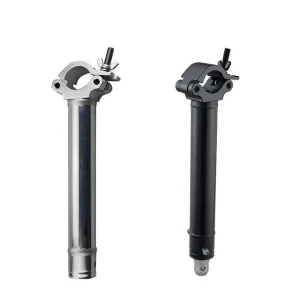
Our stage rigging accessories and clamp hooks are fabricated from premium forged aluminum alloys and undergo comprehensive structural testing. Certified to rigorous TUV and CE standards, they confidently support load capacities up to 200kg across commercial production environments.
Explore our specialized heavy-duty industrial task lamps, flexible reading lights, and versatile commercial brackets designed for modern technical installations.

 Quack Lamp