Discover our top-tier functional accent lights engineered for ergonomics, high color fidelity, and dynamic illumination efficiency.
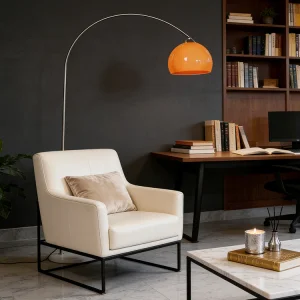
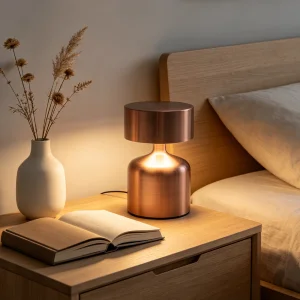
An authoritative analysis of the structural, economic, and technological forces shaping the global simple accent lamp manufacturing and distribution channels.
In contemporary architectural design, the role of lighting has transitioned from basic utility to a critical driver of spatial aesthetics and psychological comfort. Simple accent lamps have emerged as the cornerstone of this evolution. By definition, these fixtures are designed to illuminate specific focal points, create tactile contrast, and soften the harshness of direct ambient light. According to global construction and interior design statistics, over 74% of commercial renovation projects now explicitly budget for decentralized accent lighting structures to enhance worker wellness, guest satisfaction, and visual dynamics.
This growth is largely propelled by the integration of Human-Centric Lighting (HCL). Modern manufacturers focus heavily on variables such as color rendering accuracy (CRI > 90), color temperature variability (from warm 2700K comfort zones to cool 6500K focus levels), and anti-glare physics. When B2B procurement officers evaluate accent lamp exporters, the conversation is no longer about cost-per-unit alone; it encompasses thermodynamic properties, photobiological safety, and compliance with modern IoT platforms.
Industrial purchasing managers, real estate developers, and international lighting distributors encounter significant structural bottlenecks when selecting an accent lamp manufacturer. The primary challenge lies in bridging the gap between design minimalism and mechanical reliability. Many lower-tier workshops assemble components using low-grade plastics or uncertified power drivers, leading to high return rates and brand damage.
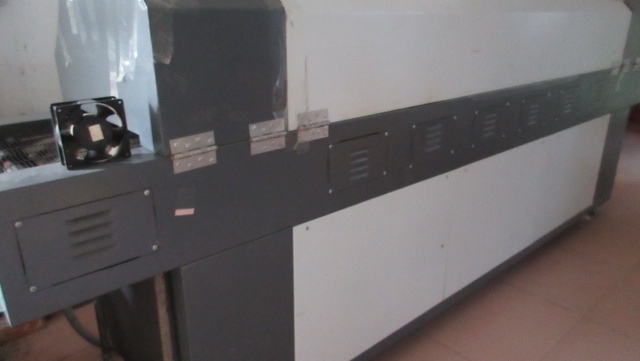
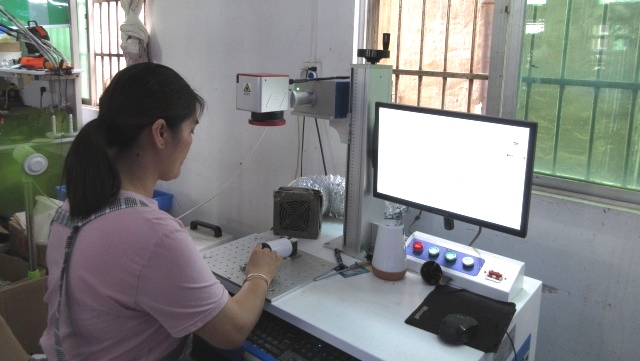
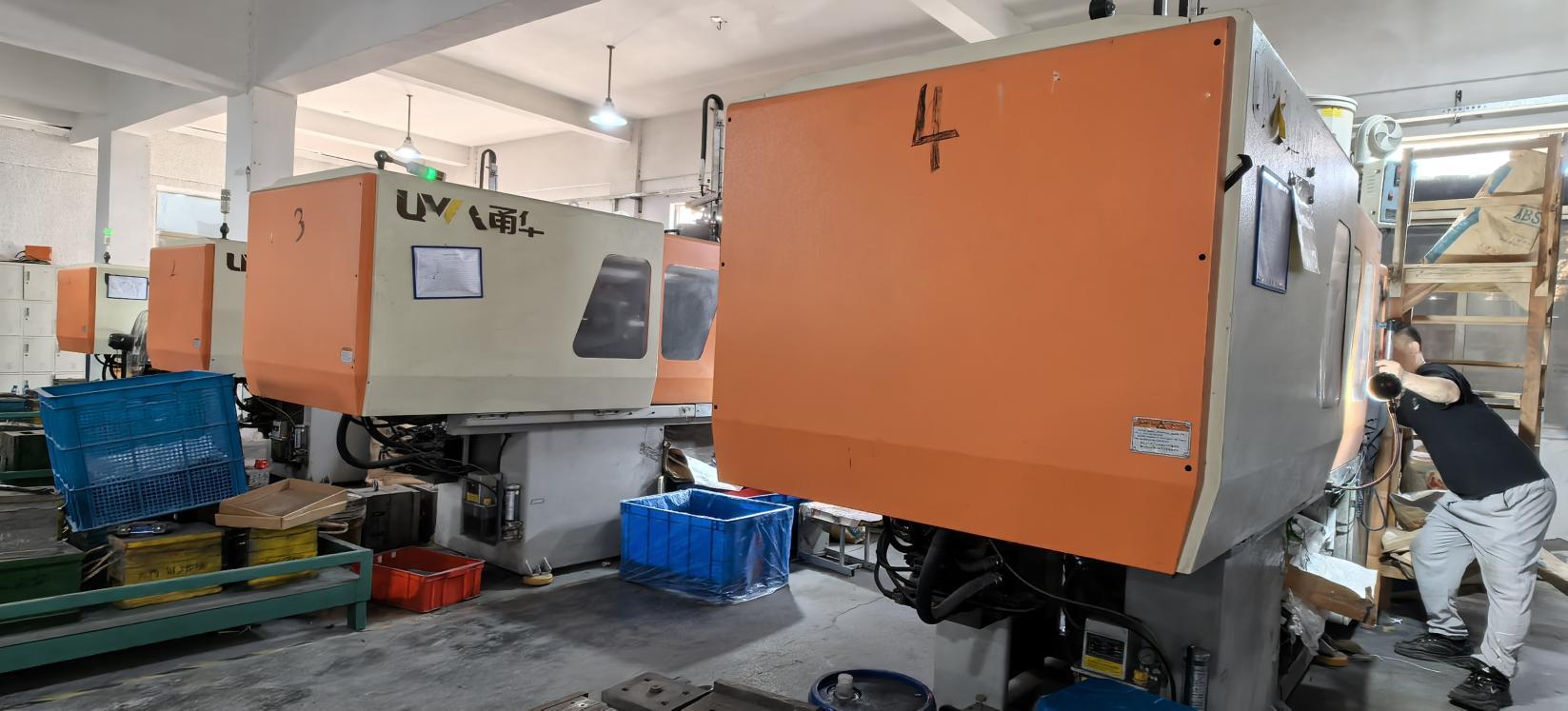
Top-tier exporters mitigate these risks by offering comprehensive vertical integration. This includes in-house engineering, automated surface mount technology (SMT) for LED boards, precision injection molding, and certified testing laboratories. For buyers in North America, Europe, and Japan, establishing partnerships with accredited factories ensures compliance with stringent regional standards such as UL/cUL, CE-LVD/EMC, RoHS, FCC, and PSE.
Deep dive into a leading-edge Chinese accent lamp factory demonstrating precision engineering, vertical integration, and ISO-compliant quality control.
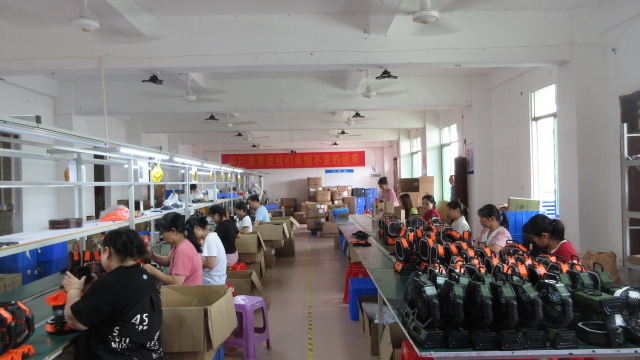
Shaoxing Quack Lamp Co., Ltd. stands as a benchmark of modern Chinese manufacturing capacity in the lighting sector. The enterprise integrates research, development, assembly, and strict certification pipelines under one roof. With a keen focus on the transition toward solid-state LED systems, the factory has consistently supplied global consumer brands, hotel chains, and retail enterprises with high-efficiency task, clamp, and decorative accent lamps.
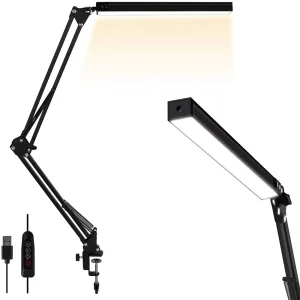
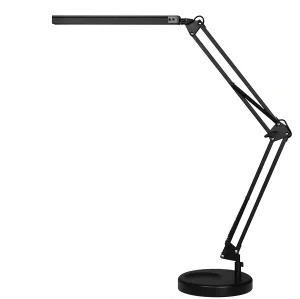
Core Capability Profiles: Shaoxing Quack Lamp Co., Ltd. provides robust OEM and ODM services. Their R&D team regularly outputs proprietary designs incorporating advanced features such as step-less dimming, magnetic wireless docking, USB-C fast charging, and ergonomic double-jointed swing arms. This ensures that their product catalog constantly matches global stylistic and tech trends.
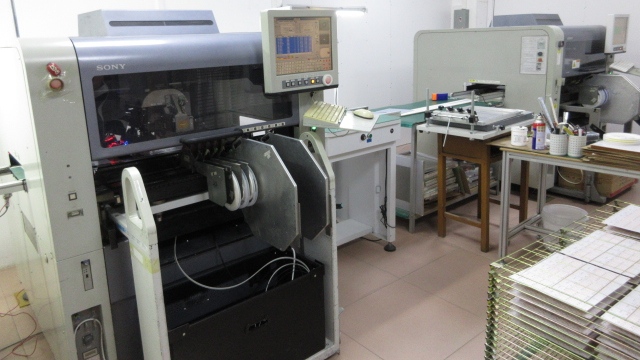
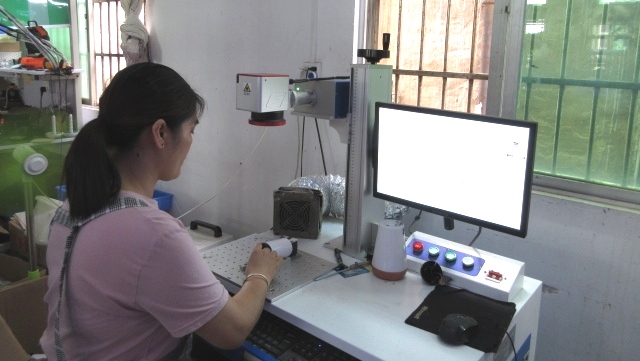
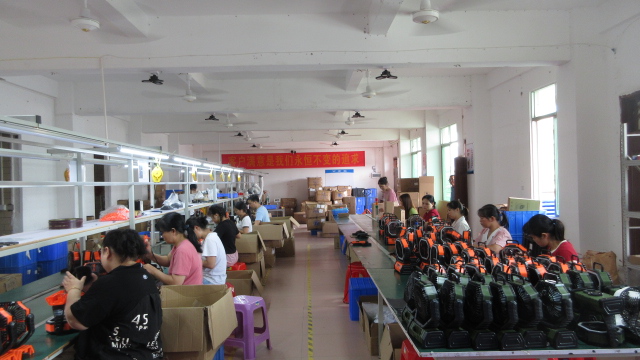
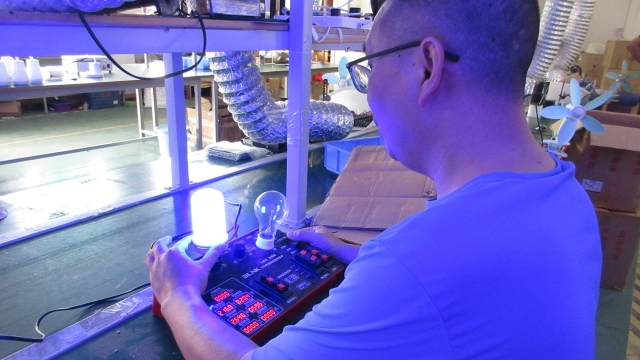
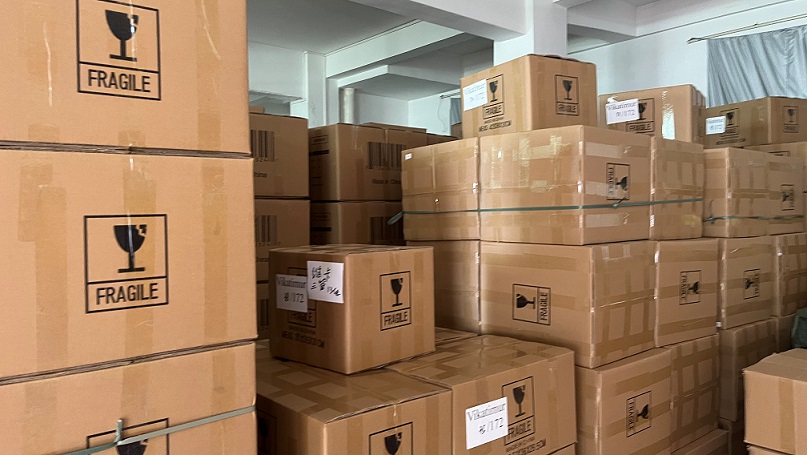
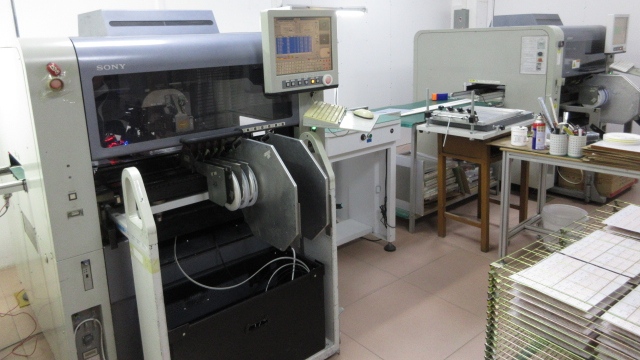
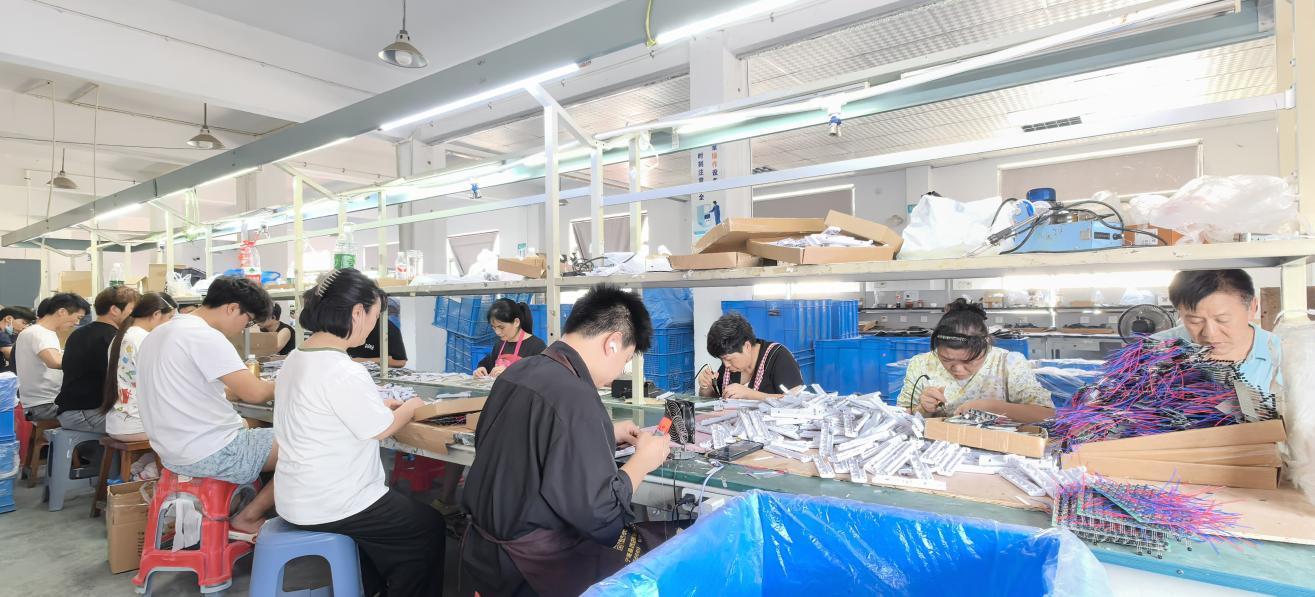
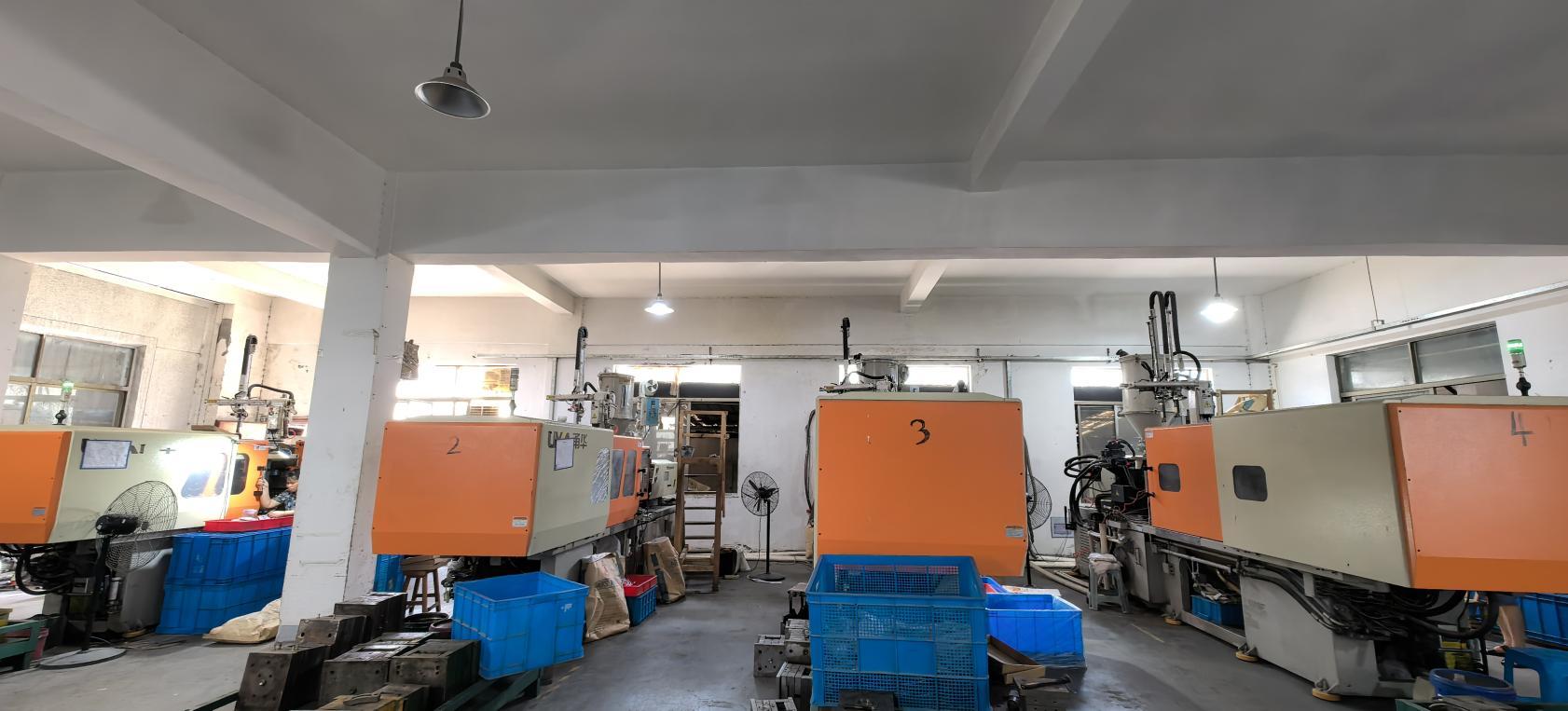
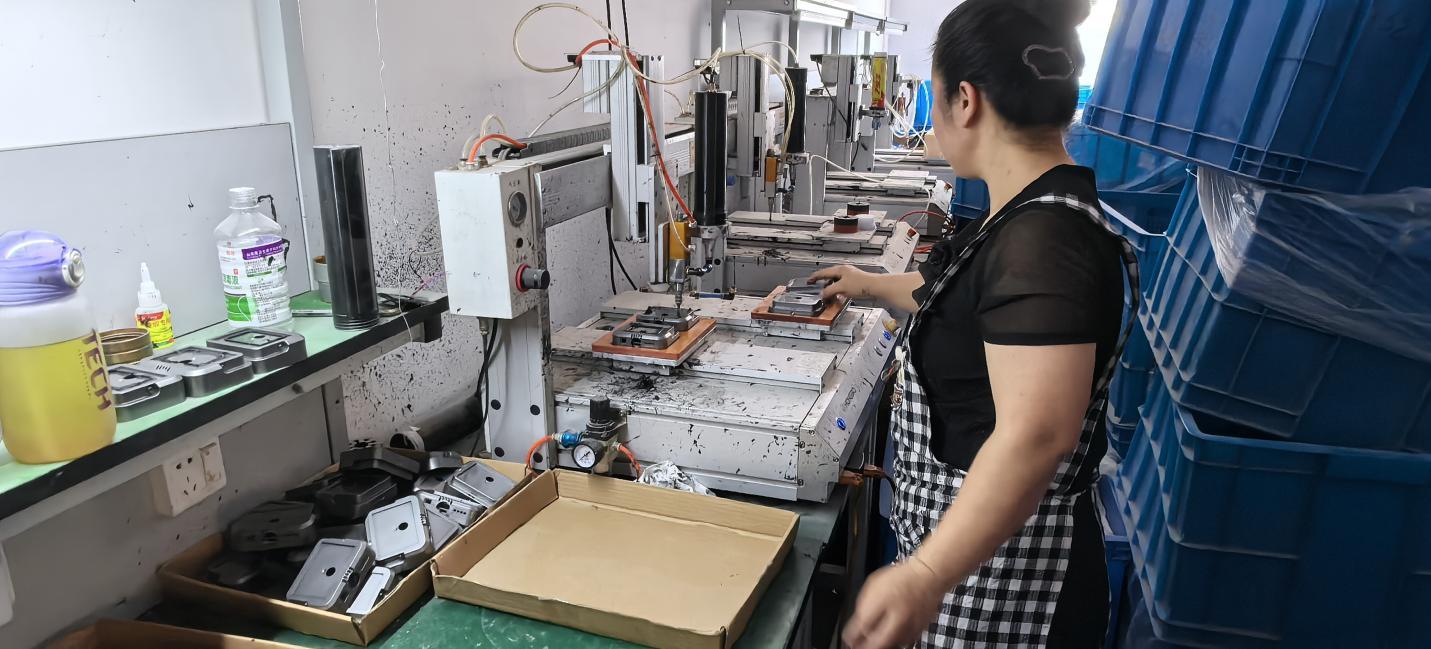
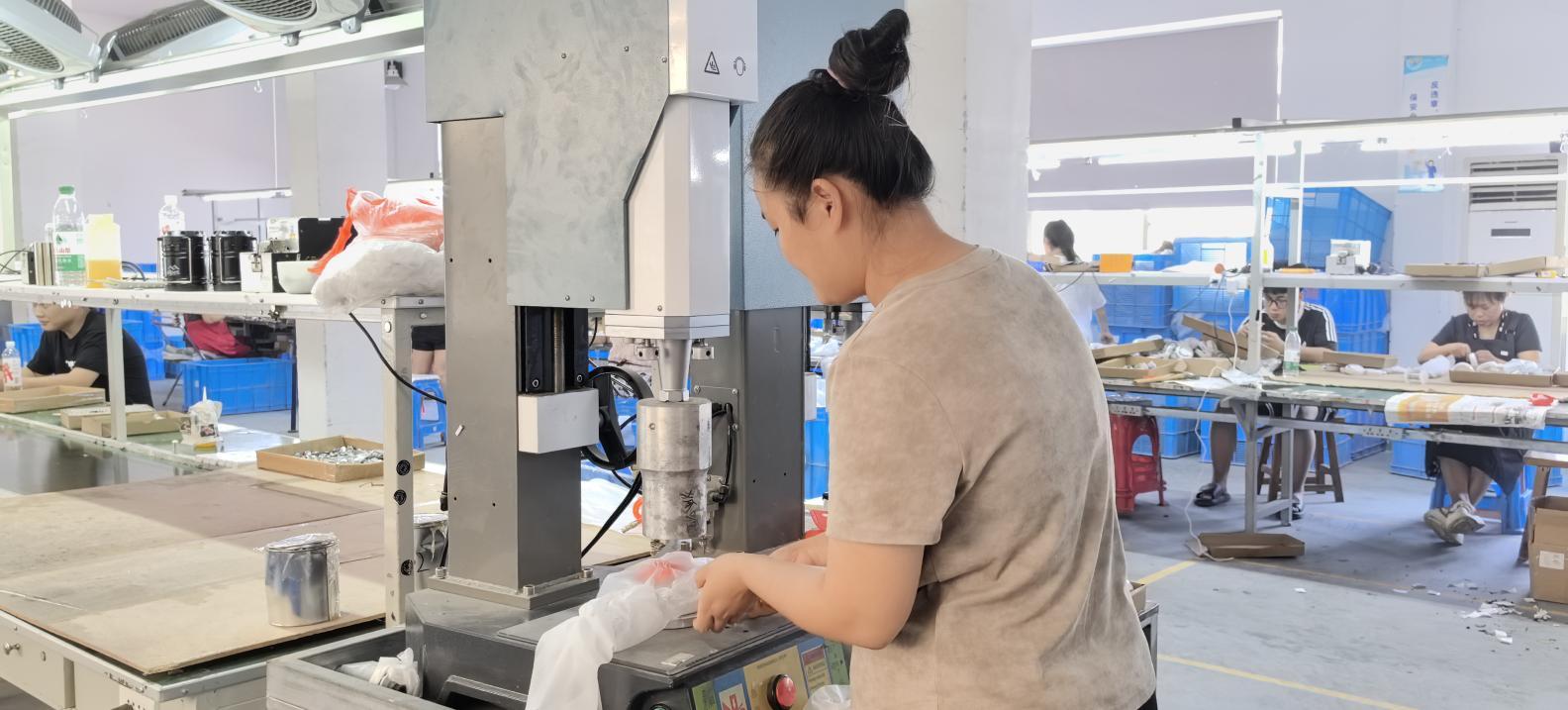
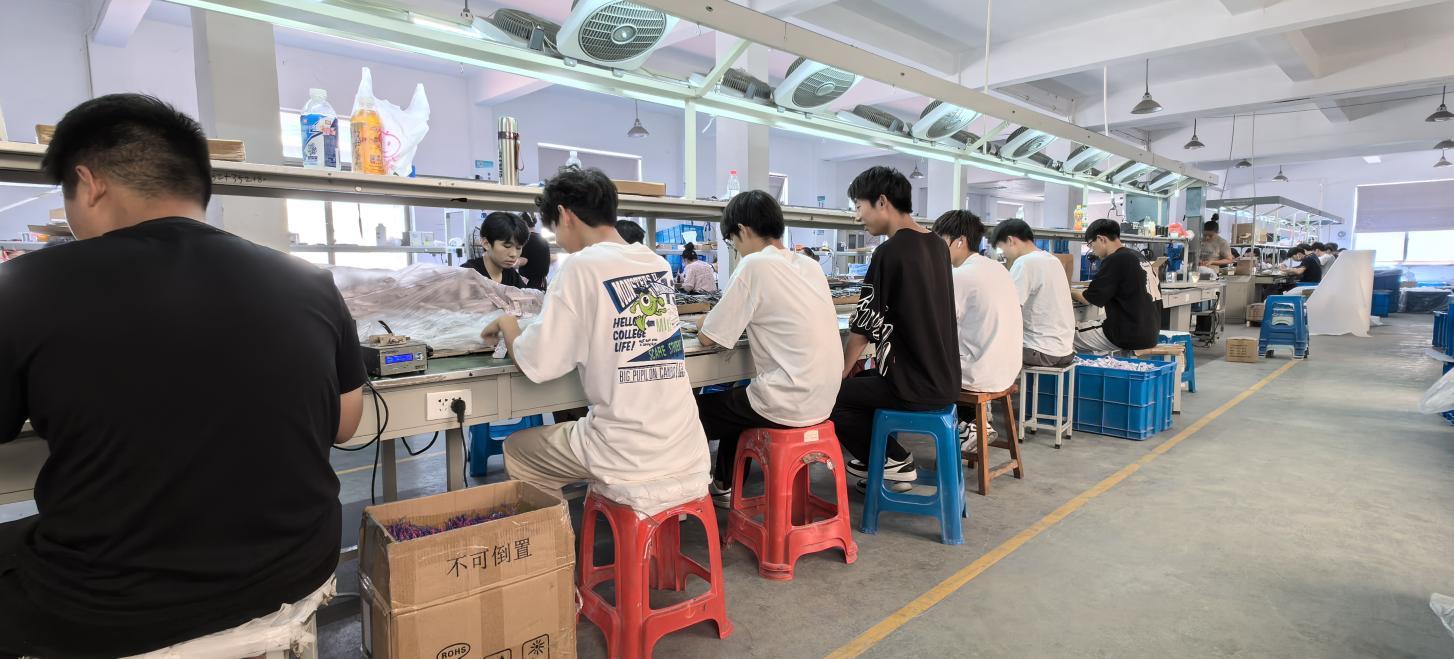
Why Chinese lighting clusters represent the absolute pinnacle of speed-to-market and component integration.
The manufacturing ecosystem of Shaoxing and surrounding industrial zones in Zhejiang and Guangdong provinces represents a complete vertical integration model unmatched anywhere in the world. The absolute concentration of component suppliers—ranging from high-end drivers, custom optics, extruded aluminum housings, to PCB sub-assembly labs—allows factories to conceptualize, prototype, and manufacture scale runs in record-breaking times.
From micro-workspaces to luxury hotel lobbies: analyzing where accent lighting delivers the most significant spatial impact.
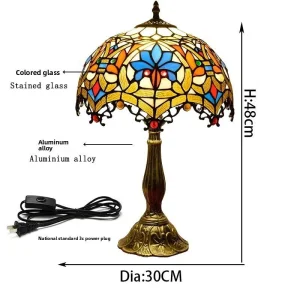
Premium hotels use decorative glass standing lamps and bedside desk lamps to establish visual texture. Gentle color rendering (2700K CCT) increases relaxation responses and elevates the premium aesthetic of the room.
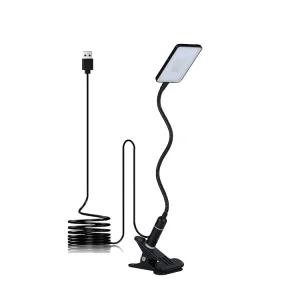
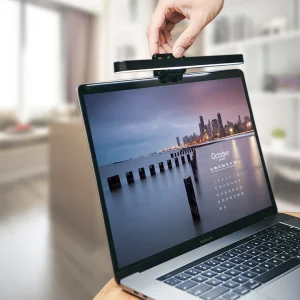
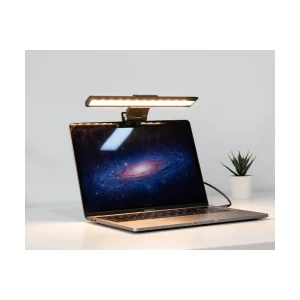
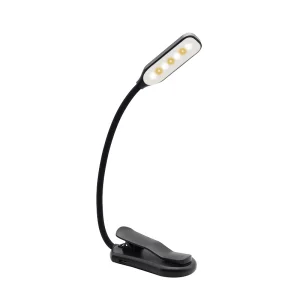
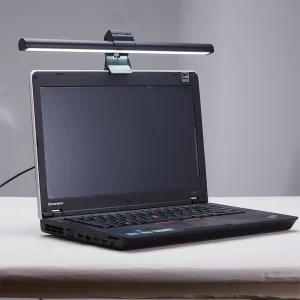
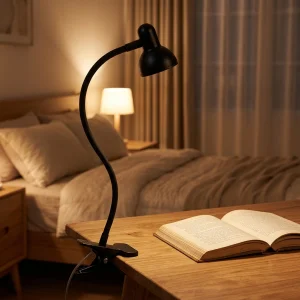
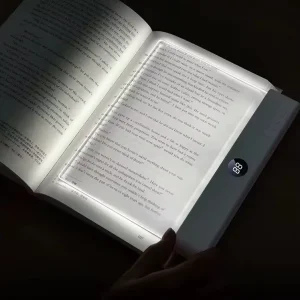
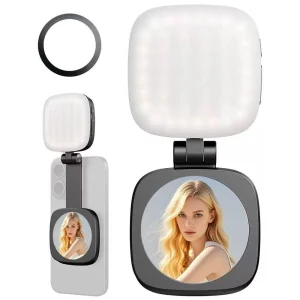
Hanging screen bars and clip-on reading lights direct focused light onto desks while eliminating screen reflection, significantly reducing optical fatigue and promoting user concentration.
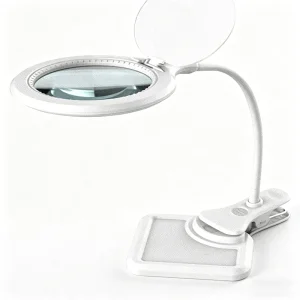
Precision task clip lamps and magnifying lamps with high CRI (Ra > 95) allow technicians in nail salons, laboratories, and embroidery studios to execute intricate work without shadowing.
The confluence of IoT networks, sustainable materials, and modular industrial design.
As we approach 2026, the accent lamp industry is undergoing a dual-path revolution characterized by deep intelligence and strict sustainability. Global B2B buyers must prioritize manufacturers that actively develop products featuring:
Get professional, direct answers to the most common questions raised by procurement managers and design engineers.
Discover our comprehensive collection of lifestyle, task, and smart accent lights constructed to optimize visual clarity.

 Quack Lamp