Precision-engineered tactical lighting solutions matching rigorous commercial performance frameworks and structural compliance matrices.
Analytical mapping of the modern commercial lighting market and execution vectors.
In the contemporary global commercial architecture, the classification of a versatile desk light has broken past the limits of basic incandescent and static task lighting illumination. Modern enterprise clients view professional workspace illumination as an essential tool directly tied to occupational ergonomics, intellectual capital output, and corporate energy sustainability targets. The search intent of modern volume buyers, procurement syndicates, and original equipment engineers centers around finding strategic manufacturing hubs capable of executing high-mix, low-volume, or massive scale production with high scientific accuracy.
This authoritative industry whitepaper analyzes the operational criteria that define the world's leading versatile desk light manufacturers. By digging deep into complex supply chain integration, regulatory compliance frameworks, spatial application engineering, and innovative optoelectronic research, we provide global procurement officers with a comprehensive manual designed to minimize supply chain vulnerability and optimize capital expenditures.
The convergence of Solid-State Lighting (SSL), adaptive human-centric wireless grids, and advanced micro-optics.
Modern manufacturing demands biological light integration. Leading producers use advanced full-spectrum blue-chipped LED topologies attenuated with wide-band phosphors to achieve exceptional color metrics (CRI R9 > 90, Ra > 95). This closely mimics natural sunlight, tracking the human circadian cycle by dynamically tuning correlated color temperatures (CCT) from 2700K to 6500K to regulate melatonin production and mitigate cognitive strain.
To completely stop immediate glare and peripheral scattering, elite manufacturers have shifted from simple opaque covers to precision injection-molded PMMA micro-prismatic light guides. These elements execute precise asymmetrical light distribution vectors, projecting uniform illumination across working planes while keeping direct glare out of the user's eyes, matching rigorous unified glare rating regulations (UGR < 16).
The desk lamp is evolving into a key node within the modern smart building ecosystem. Leading factories now integrate low-power wireless modules (including Matter, Thread, Zigbee 3.0, and Tuya Smart architectures) next to passive infrared (PIR) motion sensors and ambient light photodiodes. This enables closed-loop control arrays where individual luminaires adapt instantly to real-time environment light levels and workspace occupancy.
An in-depth analysis of vertical production integration, rigorous quality assurance mechanics, and engineering infrastructure.
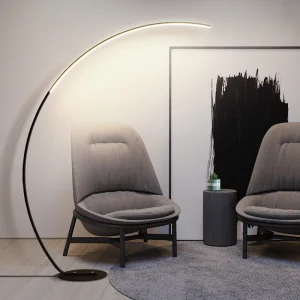
Operating as a definitive blueprint for top-tier agility and reliability within the East Asian lighting cluster, Shaoxing Quack Lamp Co., Ltd. represents a modern professional lighting enterprise specializing in the research, development, engineering, and global export execution of advanced luminaires. Its expansive product matrix covers architectural desk lamps, modern floor lamps, high-performance clip lamps, and versatile workspace task lights, each built to satisfy complex residential requirements and rigorous commercial specifications.
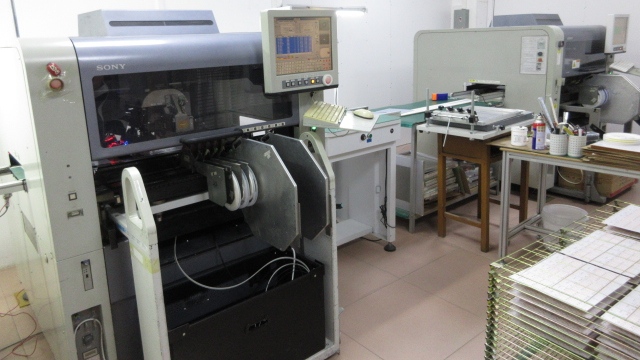
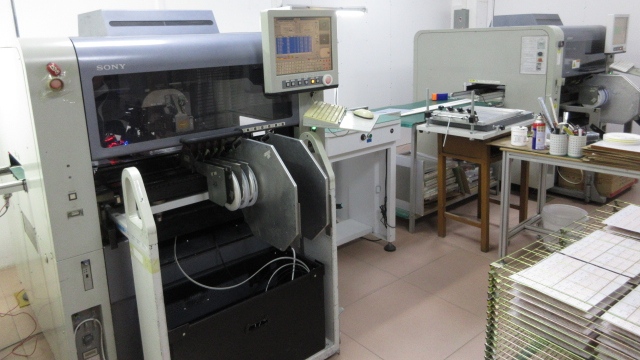
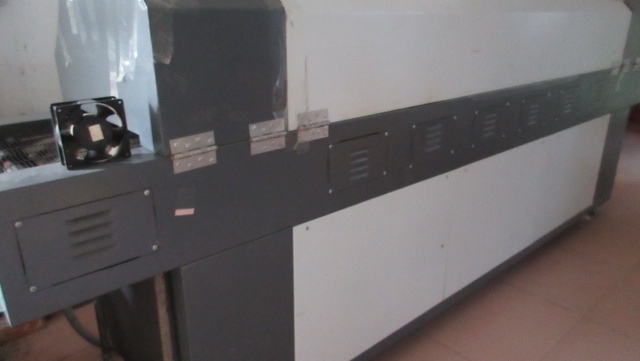
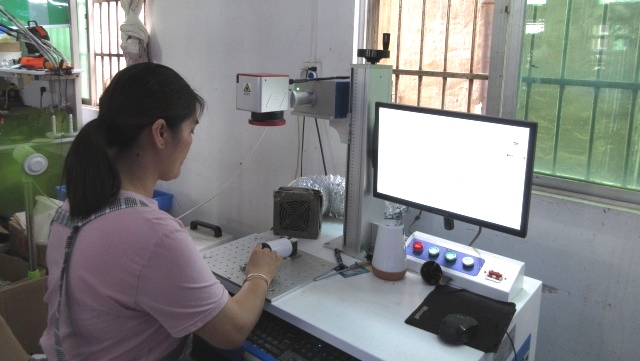
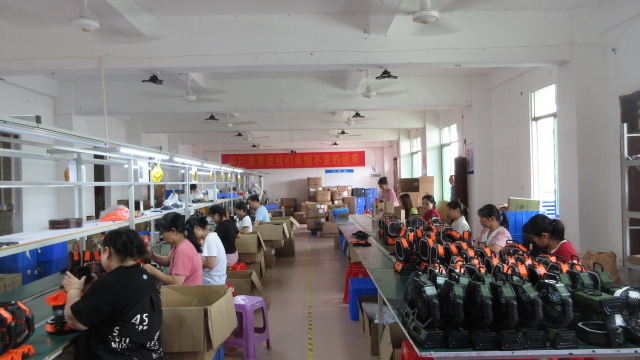
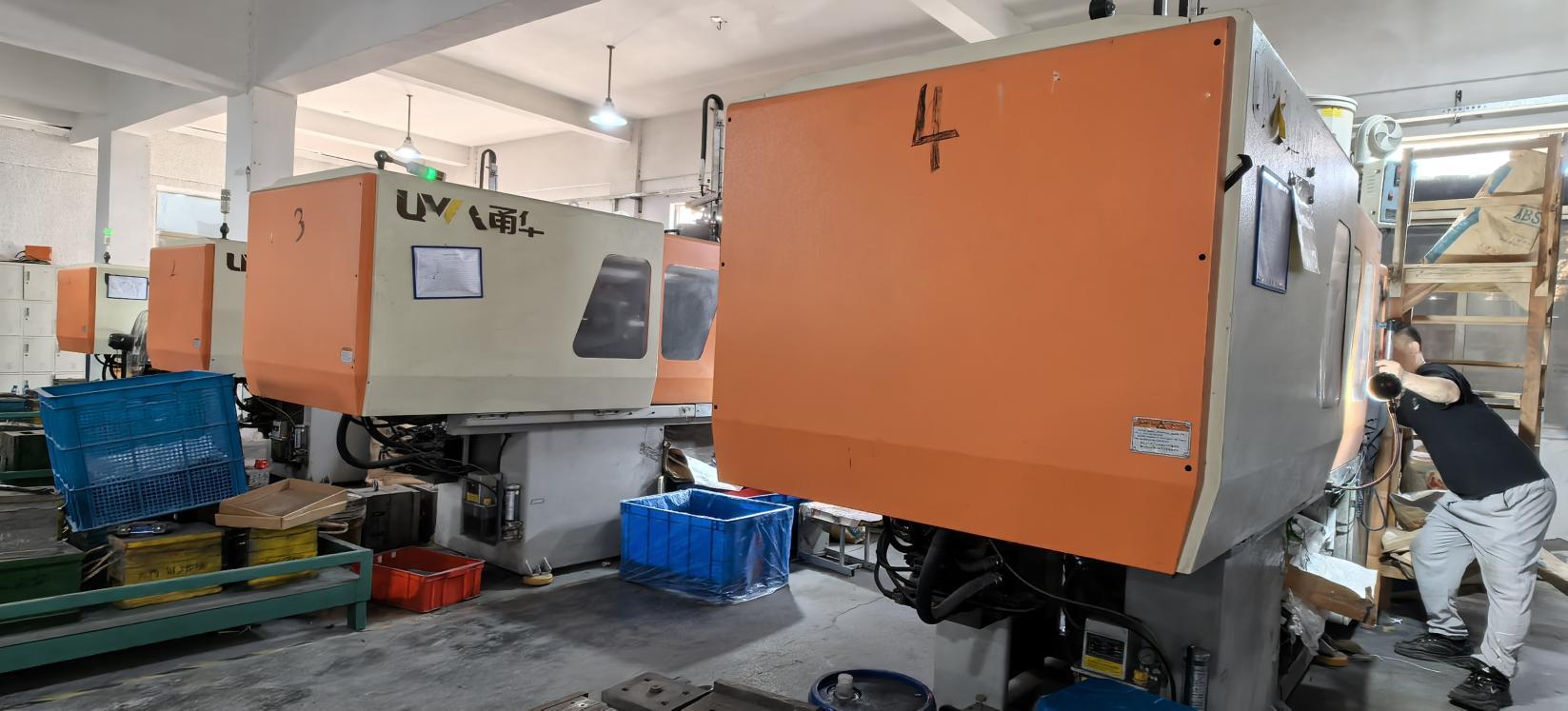
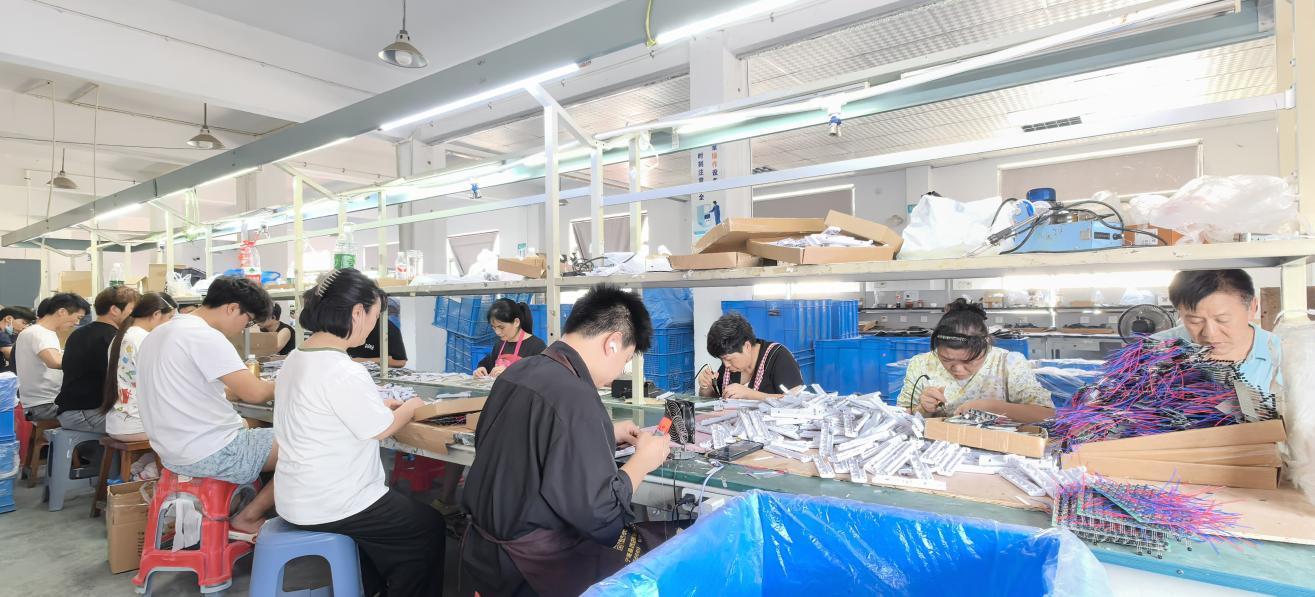
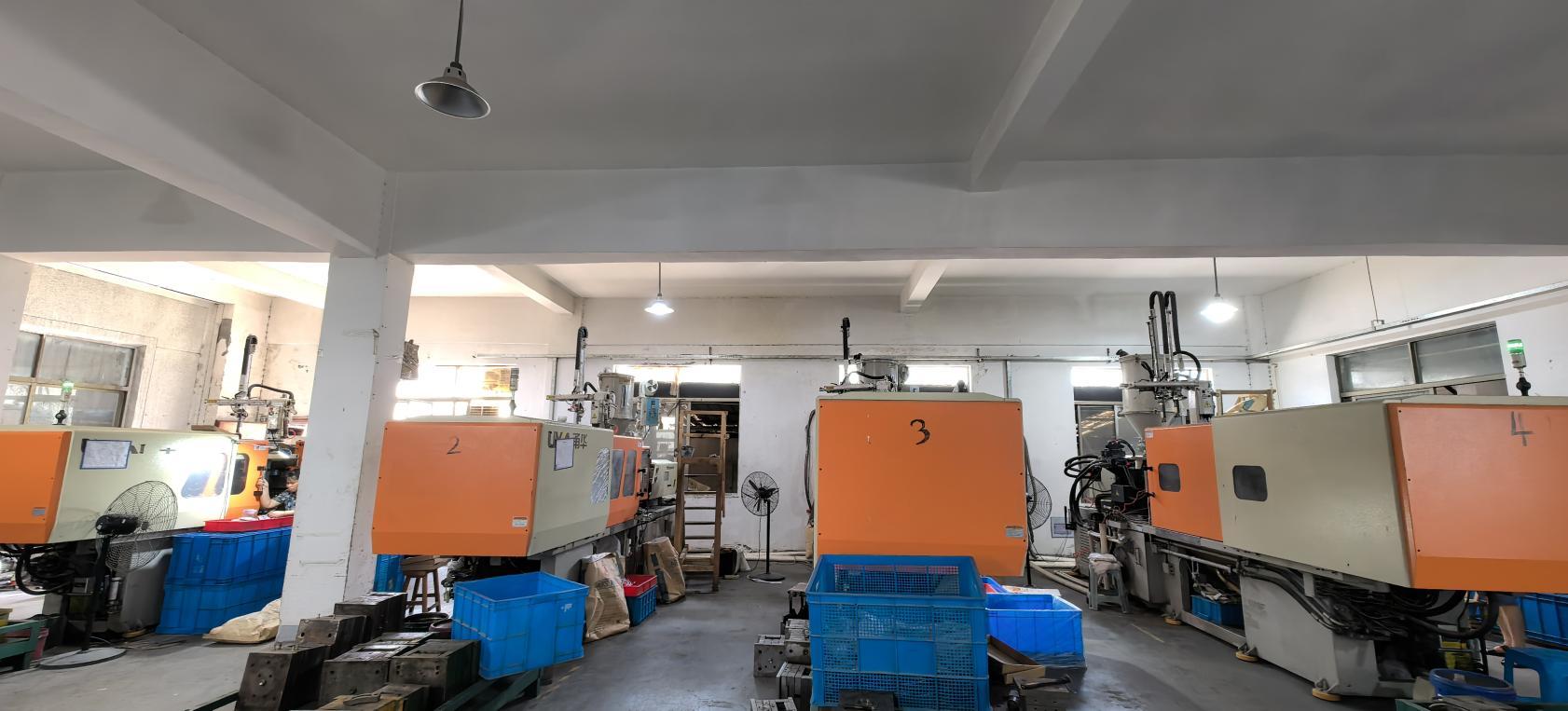
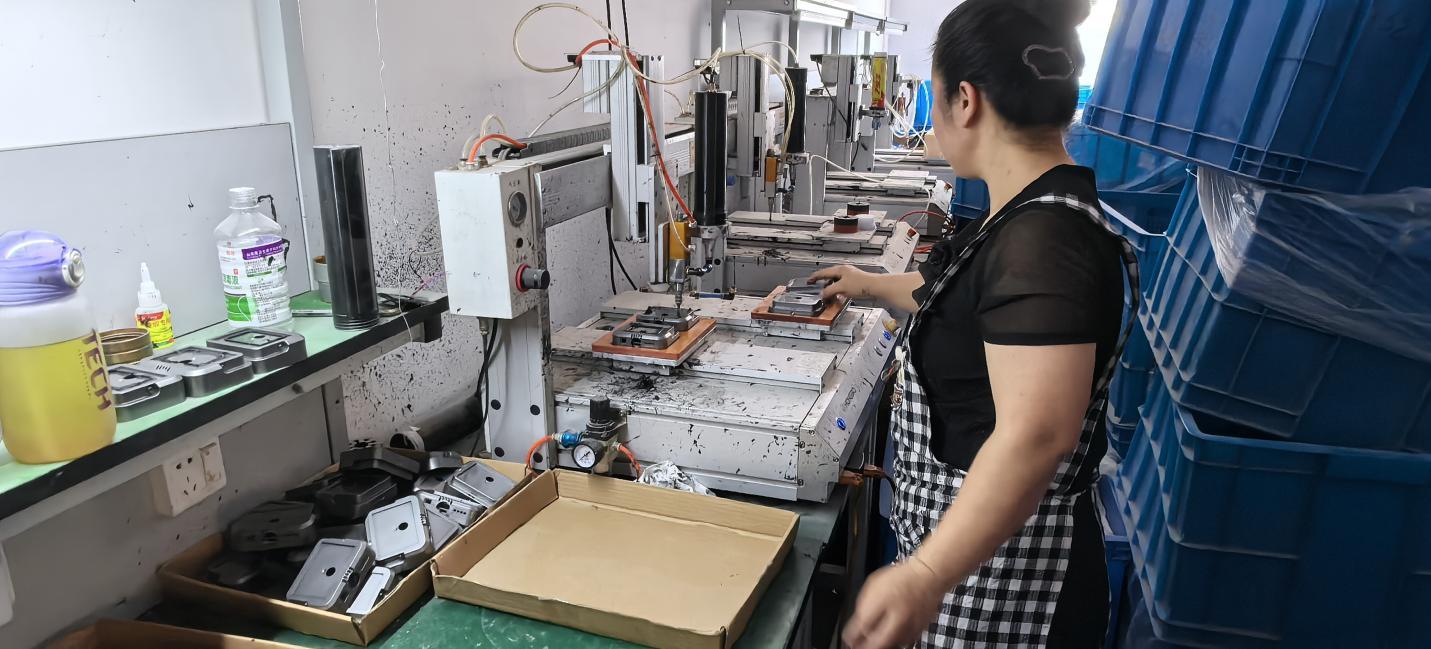
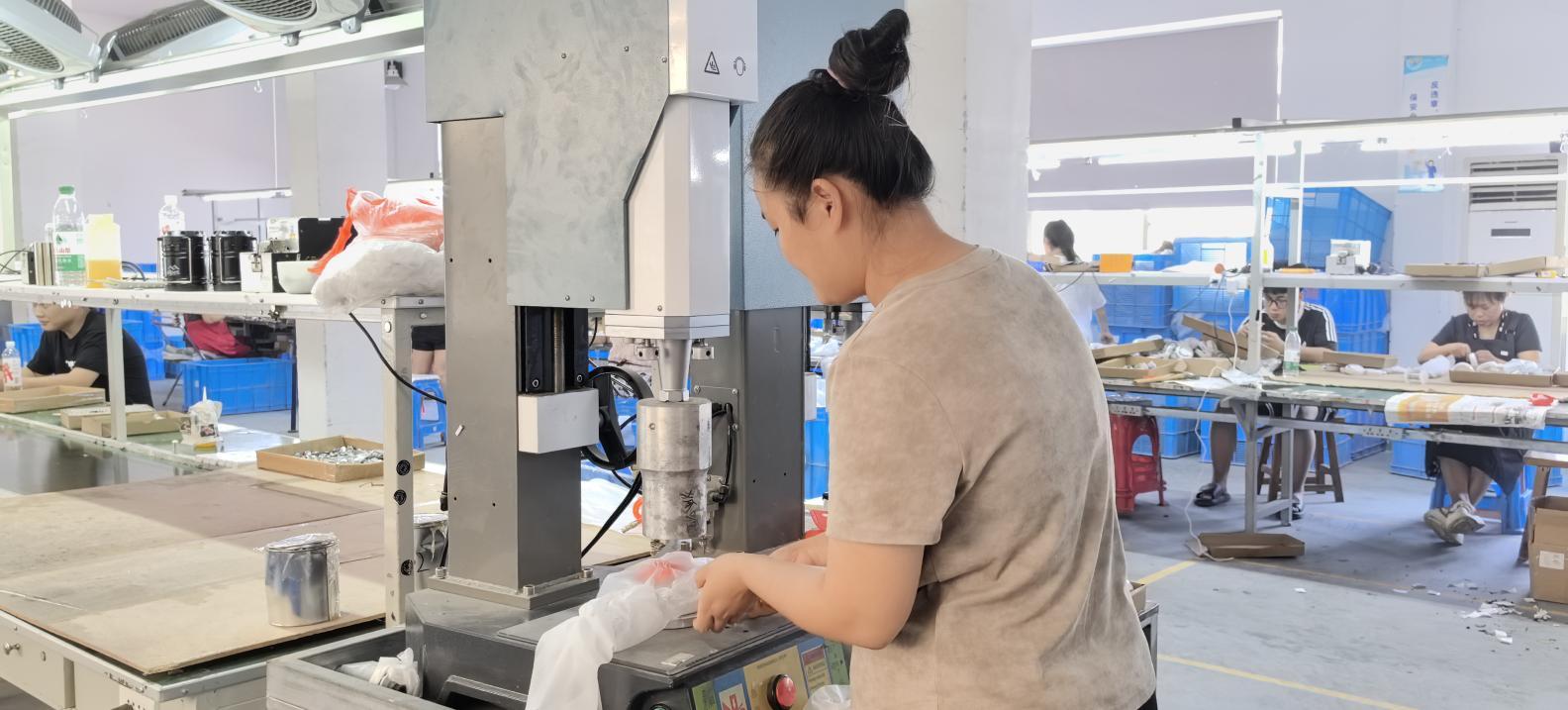
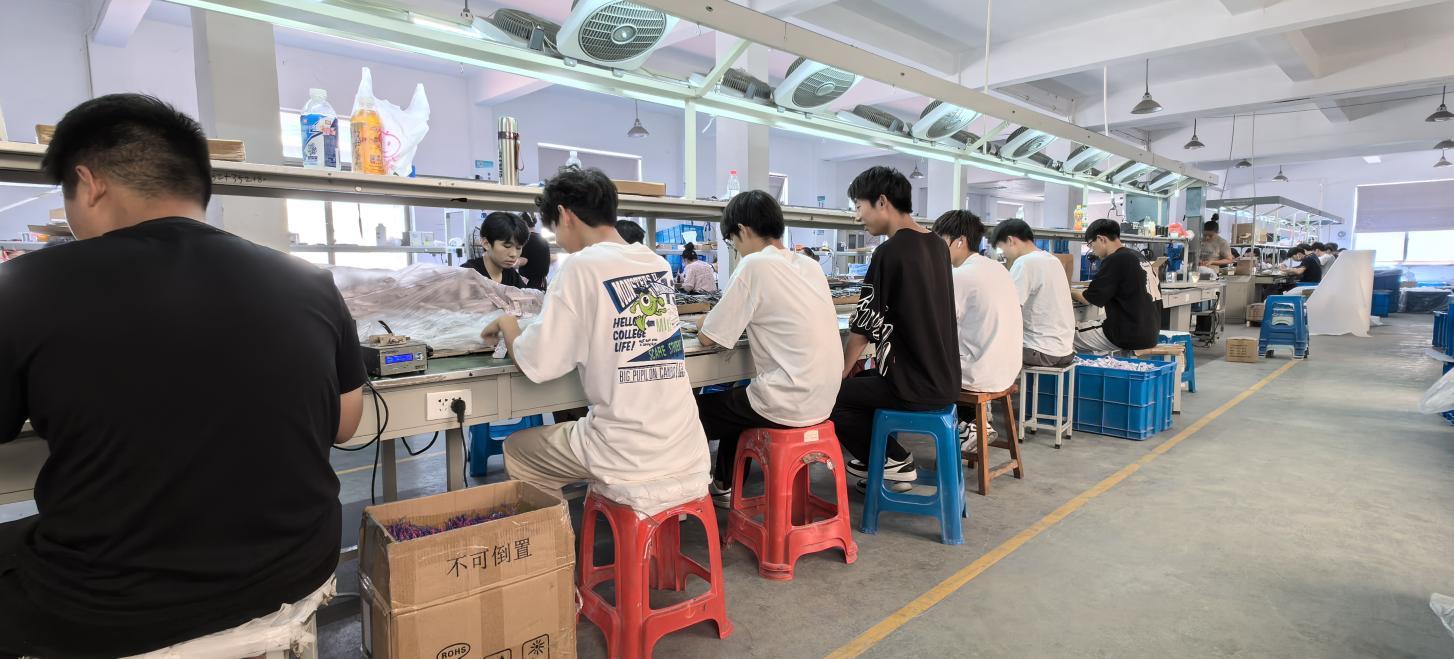
To match global shifts toward decarbonization and high energy efficiency, the enterprise leverages in-house Surface Mount Technology (SMT) infrastructure, fully integrated injection molding facilities, and automated assembly tracks. This complete structural vertical integration enables strict quality oversight across every step of production—from checking raw plastics and designing high-density printed circuit boards to final optoelectronic validation and acoustic vibration testing.
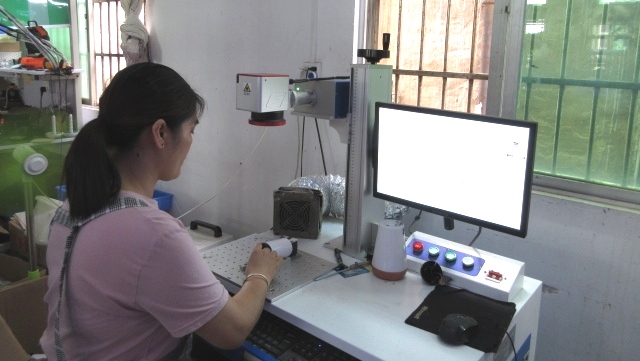
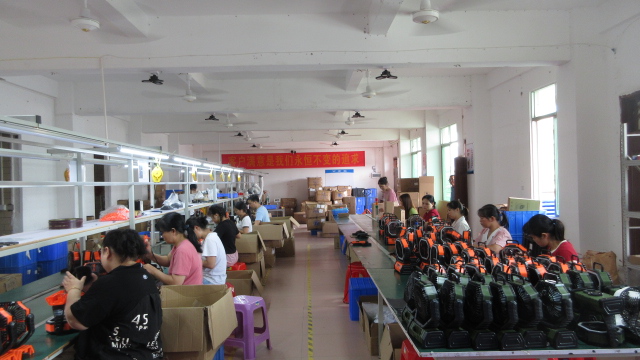
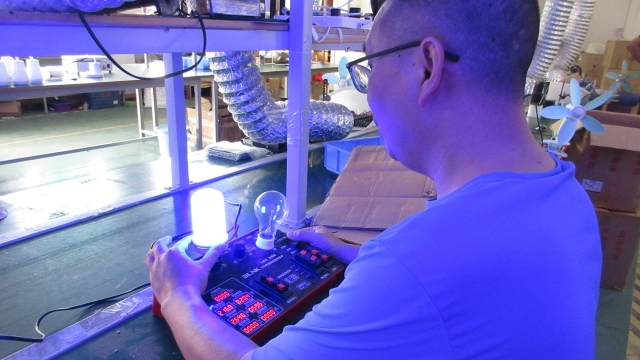
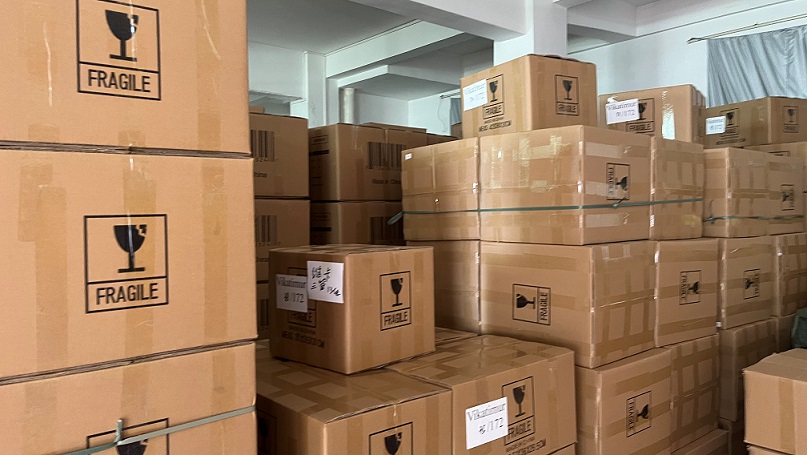
An economic and structural overview of industrial clustering, supply optimization, and speed-to-market scaling.
The concentration of global lighting production within China's southeastern industrial centers—specifically the Zhejiang lighting cluster—is driven by structural efficiencies that go far beyond simple labor cost calculations. The core benefit stems from an incredibly dense network of specialized subcontractors, material suppliers, and specialized engineers located within a minimal logistical radius.
Within this ecosystem, a factory can source raw polymers (like engineering-grade ABS and PMMA light-guiding plates), extruded aluminum heat sinks, customized multi-layer PCBs, and advanced micro-controllers all within a 50-mile operating footprint. This close-knit industrial framework minimizes transportation lag and protects global buyers from international supply line disruptions.
Furthermore, Chinese manufacturing paradigms rely heavily on early tooling investment. By utilizing automated high-speed SMT placement arrays, multi-cavity precision injection molding machinery, and ultrasonic joint welding, operations can compress design cycles from initial layout concepts to verified production units in a fraction of the time required by western domestic facilities. This structural agility allows global enterprise partners to dynamically adapt their retail line-ups to changing market trends with minimal friction.
Navigating global regulatory barriers, electrical product safety frameworks, and structural validation protocols.
To enter North American commercial channels, products must comply with strict safety regulations. Elite manufacturing protocols require products to pass ETL or UL listing protocols under standard ANSI/UL 153 for portable electric luminaires. Additionally, FCC Part 15 subpart B certification is mandatory to verify that high-frequency electronic ballasts and digital control chips do not cause electromagnetic interference with surrounding telecommunications infrastructure.
Shipments destined for the European Economic Area must comply with the CE Mark framework, covering Low Voltage Directive (LVD) 2014/35/EU and Electromagnetic Compatibility (EMC) Directive 2014/30/EU. Furthermore, manufacturers must maintain verified RoHS (Restriction of Hazardous Substances) tracking sheets and conform to Eco-design requirements under the Ecodesign ErP directive to guarantee high energy conversion ratios.
True localization support requires adapting a product to different regional power infrastructures. This involves engineering broad-spectrum switch-mode power supplies (SMPS) that run efficiently on voltage levels ranging from 100V up to 240V, and frequencies between 50Hz and 60Hz. It also means incorporating regional plug types (like NEMA, Schuko, BS1363, or AS3112) and ensuring localized, durable packaging layouts that minimize structural damage during long-distance oceanic freight.
The typical path from initial product design to global freight distribution.
The procurement process starts by establishing optical performance goals, including lux profiles, CCT ranges, and specific target cost structures.
Engineers generate 3D CAD files and cast custom toolings. Initial prototypes undergo strict validation checks in integrating spheres and goniophotometer rigs.
Once approved, components pass through automated SMT lines, ultrasonic housing welding machines, and structural assembly bays under strict tracking.
Every single manufactured luminaire undergoes an automated high-voltage burn-in phase to eliminate premature driver failures prior to multi-layer protective packaging.
How versatile desk lamps address distinct operational challenges across diverse modern environments.
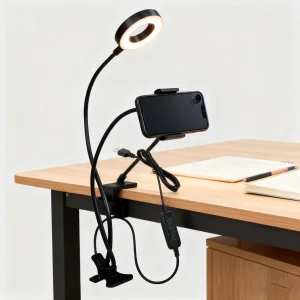
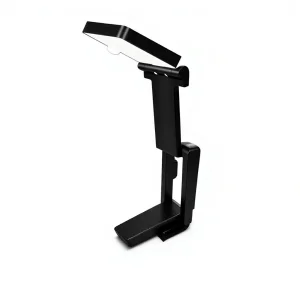
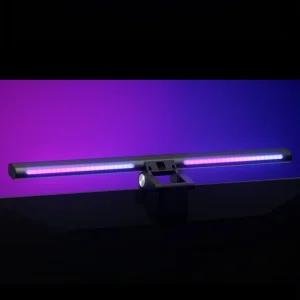
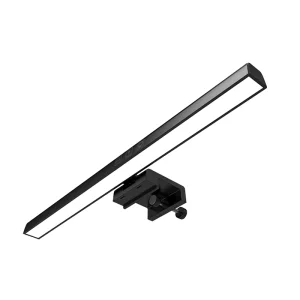
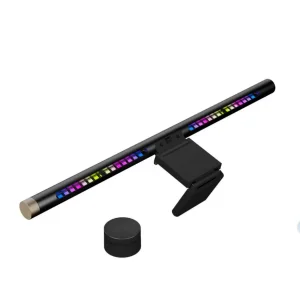
In high-density corporate environments, proper lighting design helps minimize computer vision syndrome. By deploying monitor-mounted light bars or clamp-on articulated desk lamps, companies can deliver uniform working illumination across active desk spaces while avoiding unwanted reflections on monitor screens.
Immersive esports venues and high-end streaming studios require responsive lighting options. Integrating smart, music-reactive RGB backlights allows the surrounding environment to adapt in real time to fast-paced game play or streaming content, significantly enhancing user engagement.
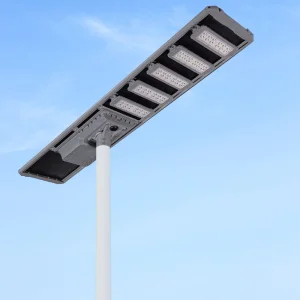
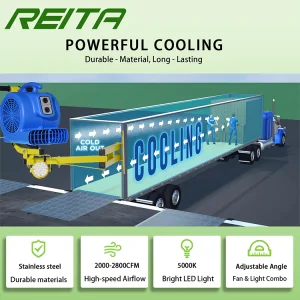
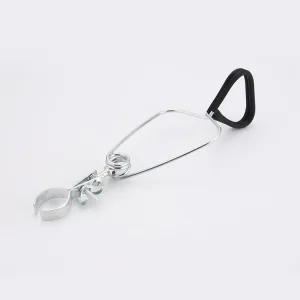
Heavy commercial operations demand robust, highly durable hardware designs. High-power, adjustable double-strut swing arm dock lights—built to demanding IP66 waterproof and impact-resistant standards—provide bright illumination for deep trailer interiors during night loading operations, substantially improving warehouse safety.
Expert engineering and trade insights addressing critical technical considerations for bulk volume buyers.
Explore our complete manufacturing catalog, featuring products built to match international quality frameworks and demanding corporate project timelines.
 Quack Lamp