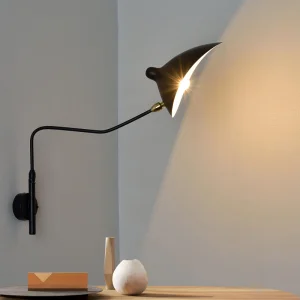
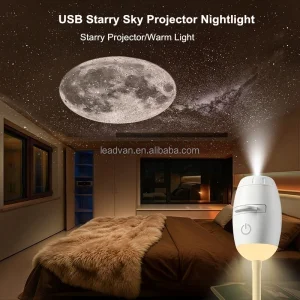
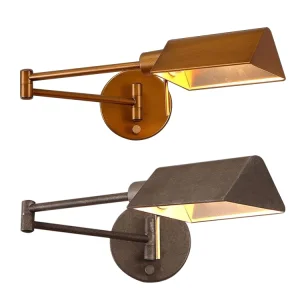
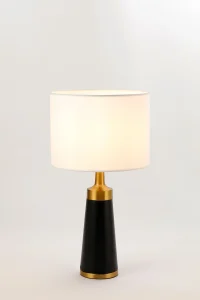
Explore our top-performing engineered lighting products, built to meet international compliance and modern aesthetics.
From single-wavelength LEDs to advanced addressable smart luminaires: the transition in decorative and circadian optoelectronics.
The global lighting market is undergoing a structural transition from static, mono-color systems to intelligent, dynamic gradient color lighting systems. Driven by advancements in smart home ecosystems, experiential retail design, and clinical human-centric lighting (HCL) research, the global demand for gradient lamps is expanding exponentially. Traditional LED structures, bound by static correlated color temperatures (CCT), are no longer sufficient to meet modern commercial and residential requirements. Today, addressable RGBIC (Independent Control) chipsets allow for continuous, seamless color transitions along a single luminaire profile, creating natural dynamic simulations like sunrise, sunset, auroras, and bio-friendly ambient shifts.
From an industrial engineering perspective, fabricating gradient color lamps requires precise multi-channel PWM (Pulse Width Modulation) controllers, high-quality light guides, and sophisticated diffusing optics to prevent pixelated hot spots. Key components include addressable LED arrays (such as WS2812B, APA102, or custom multi-channel SMD chips), heat-dissipating substrate structures, and RF/Wi-Fi/Bluetooth control chips. For B2B procurement officers, selecting a supplier is not merely about finding a manufacturing house; it is about partnering with an engineering-focused factory capable of ensuring high binning standards, maintaining chromatic uniformity, and eliminating harmonic distortion in drivers.
As sustainability regulations tighten globally—such as the European Union’s ErP (Energy-related Products) directive and North America’s DLC (DesignLights Consortium)—modern gradient color lamp manufacturers must innovate to provide higher lumen-per-watt ratios while using advanced diffusing materials that minimize light loss. Achieving smooth, seamless color transitions without compromising lumens or color rendering indices (CRI > 90) represents the current pinnacle of engineering in decorative and architectural lighting.
Integrating state-of-the-art SMT lines, precision injection molding, and strict quality assurance protocols.
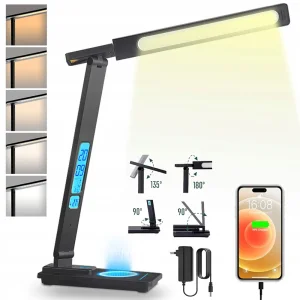
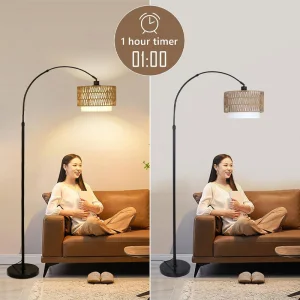
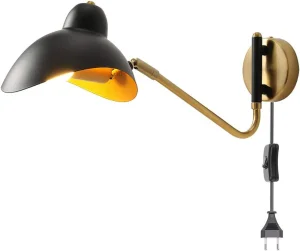
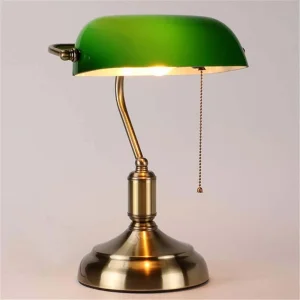
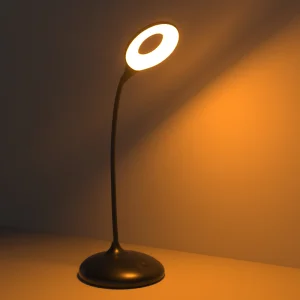
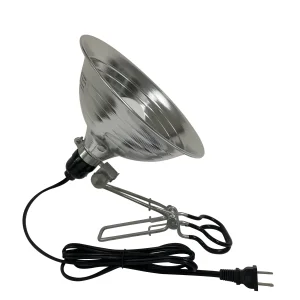
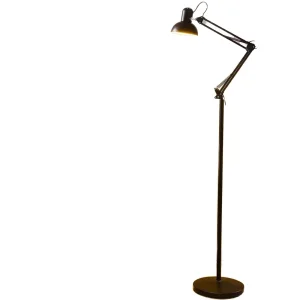
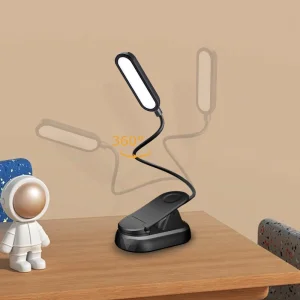
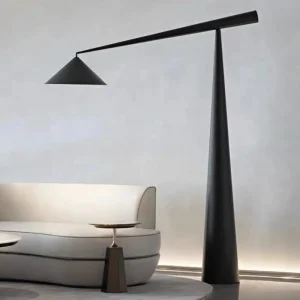
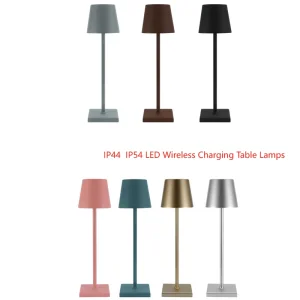
Shaoxing Quack Lamp Co., Ltd. is a professional lighting enterprise specializing in the research, development, manufacturing, and global sales of a wide range of lighting products. Our product portfolio includes table lamps, floor lamps, clip lamps, and other decorative and functional lighting solutions designed to meet diverse residential and commercial needs.
In response to evolving market trends and the growing demand for energy-efficient solutions, the company has been actively transitioning toward LED lighting technologies. This strategic shift enables us to provide more environmentally friendly, durable, and energy-saving lighting products while maintaining strong design aesthetics and functionality.
Beyond in-house production, Shaoxing Quack Lamp Co., Ltd. offers comprehensive OEM and ODM services. We work closely with global partners to develop customized lighting solutions tailored to specific market requirements, brand identities, and technical specifications.
Quality is at the core of everything we do. We implement strict quality control systems throughout every stage of production—from material selection and component inspection to final assembly and packaging—ensuring that every product meets international standards and customer expectations.
With modern production facilities, advanced manufacturing technology, and a highly skilled R&D team, we continuously invest in product innovation and design improvement. Each year, we introduce new collections that reflect current design trends, enhanced functionality, and improved energy efficiency. Backed by a strong reputation for reliability, integrity, and responsive after-sales service, Shaoxing Quack Lamp Co., Ltd. has earned the trust of customers in both domestic and international markets.
We sincerely welcome partners from around the world to cooperate with us and look forward to building long-term, mutually beneficial business relationships.
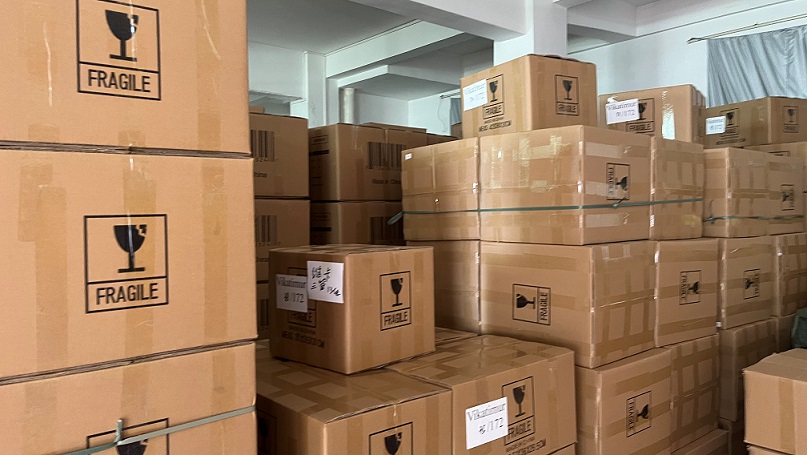
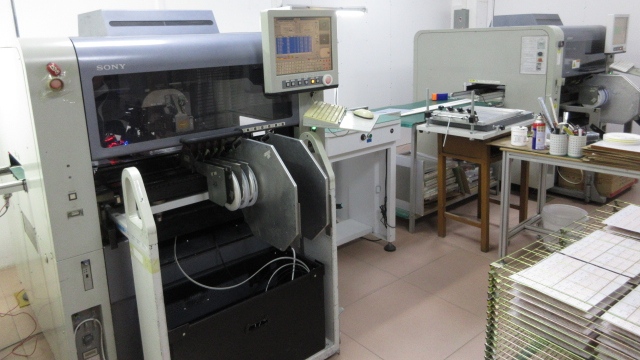
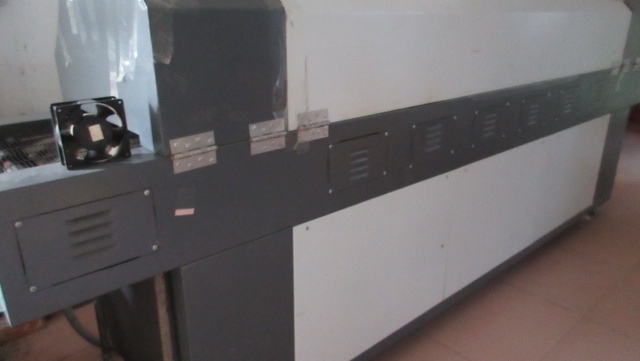
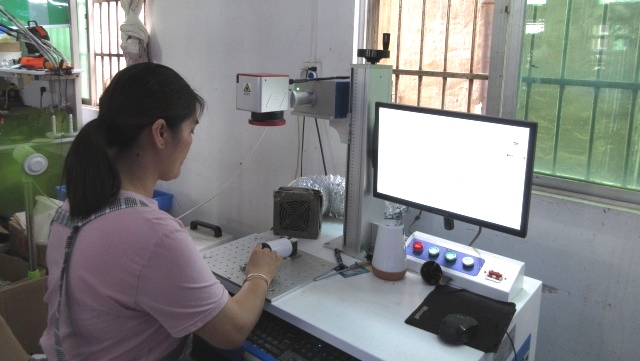
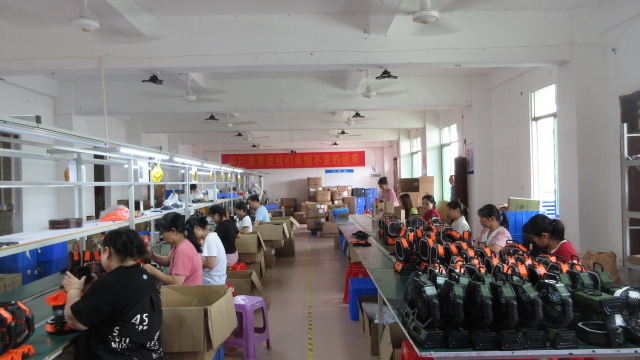
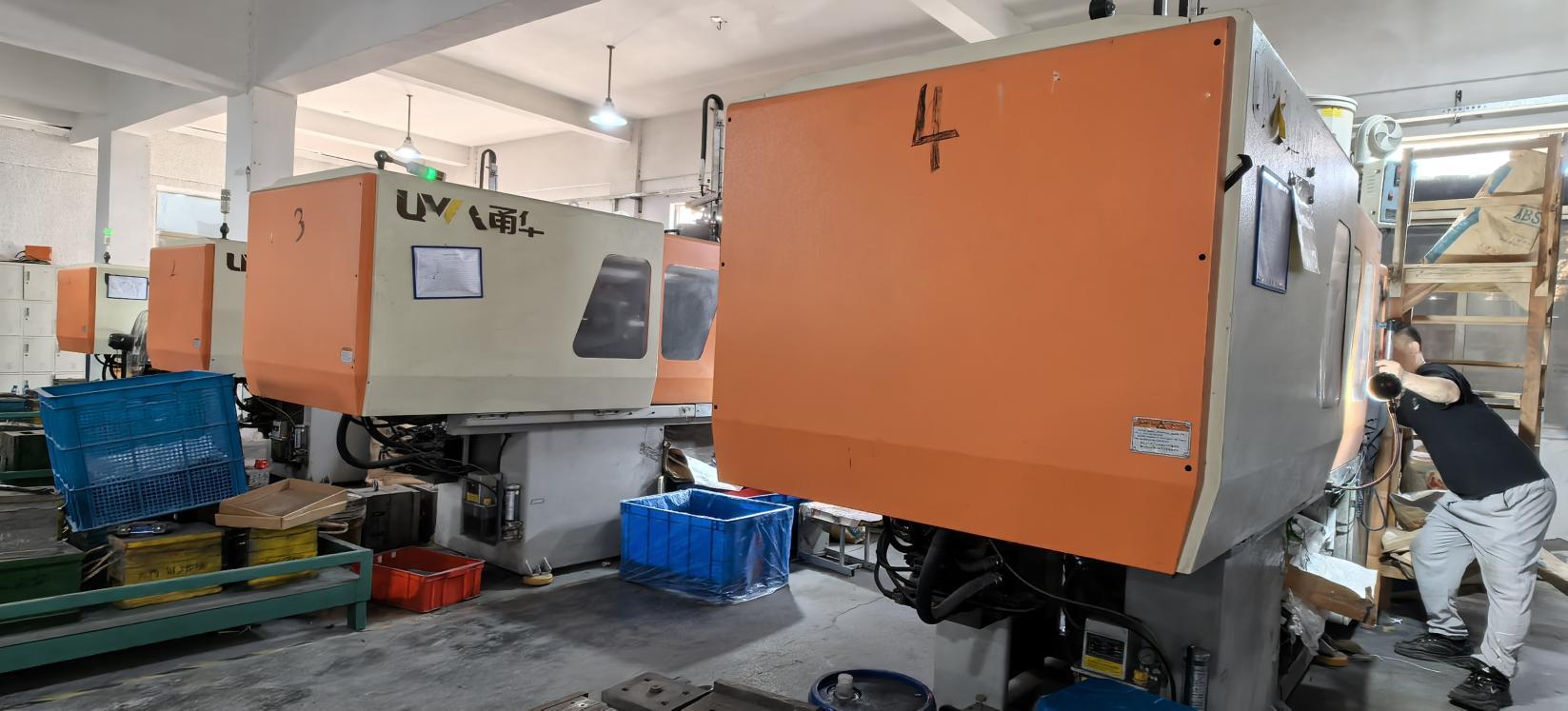
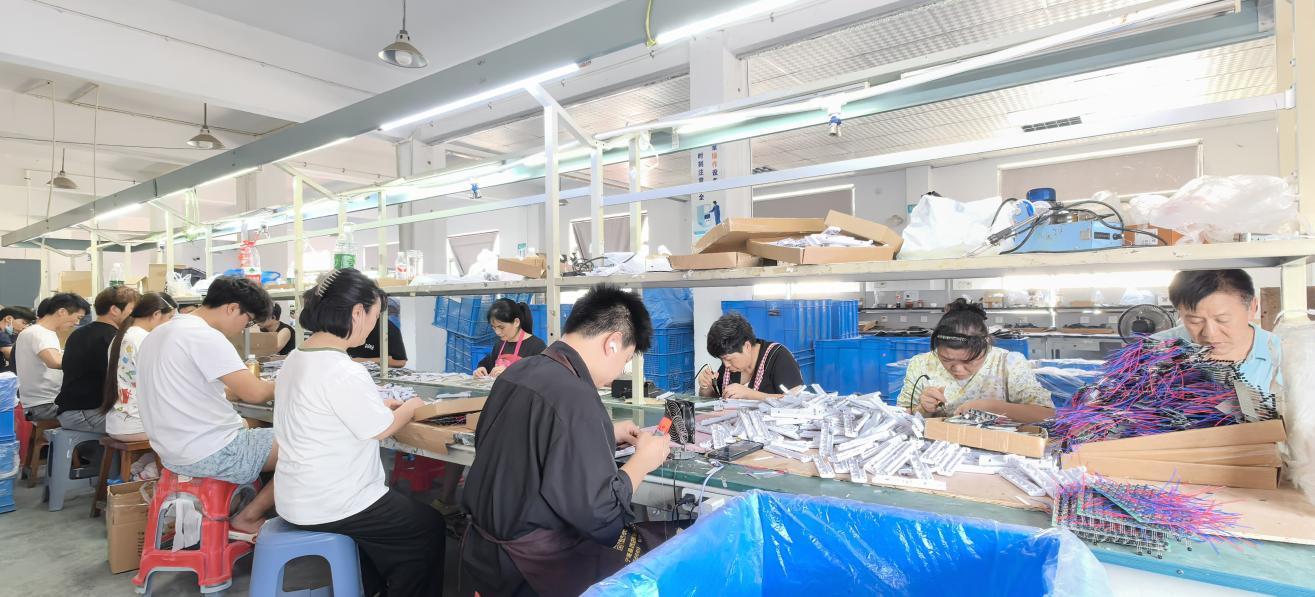
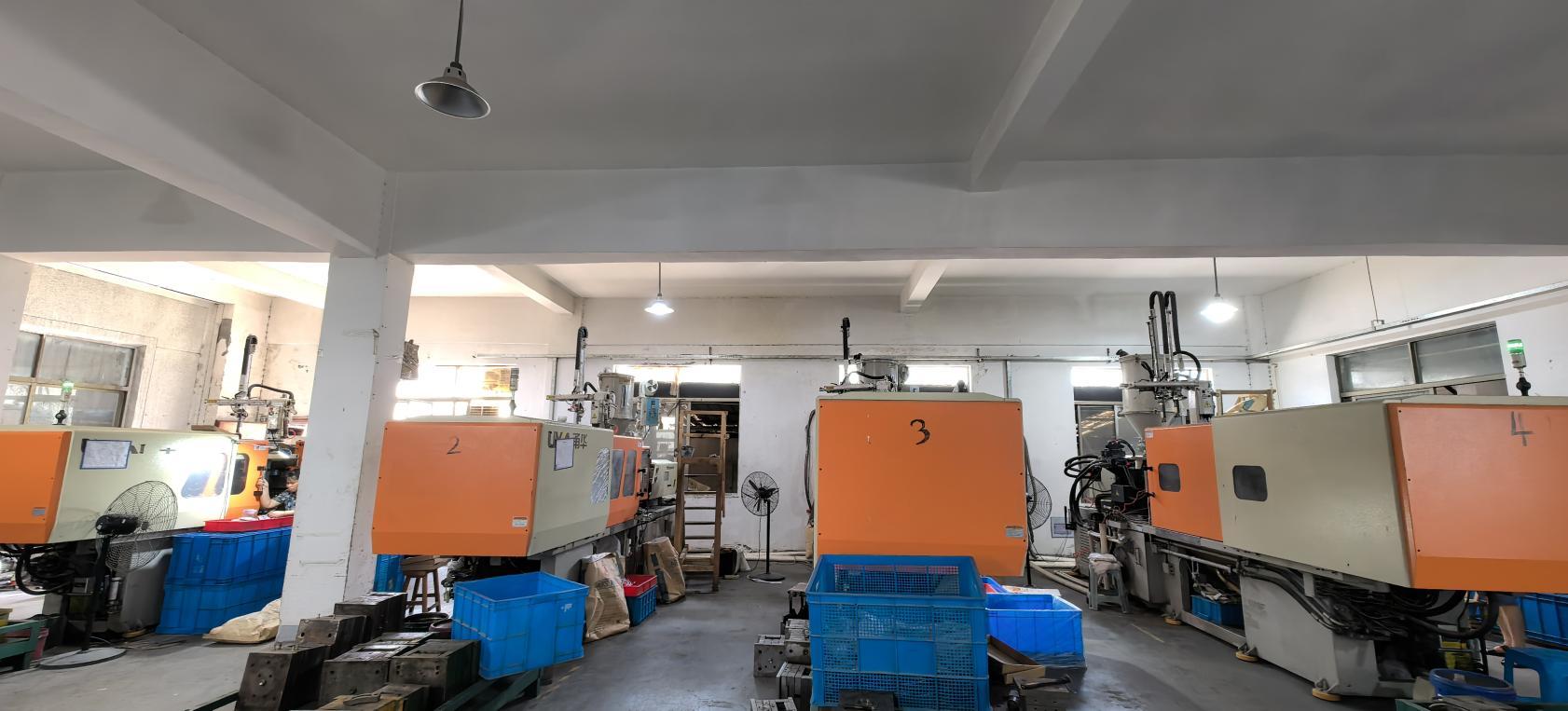
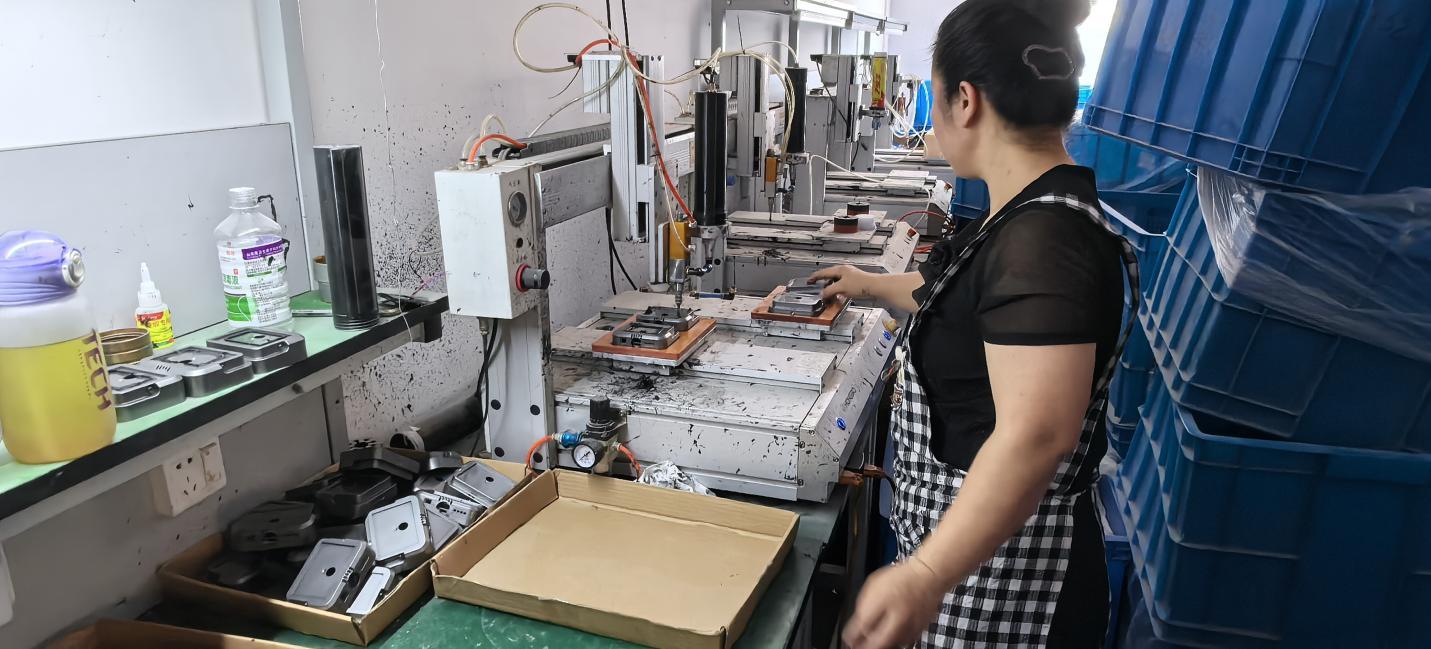
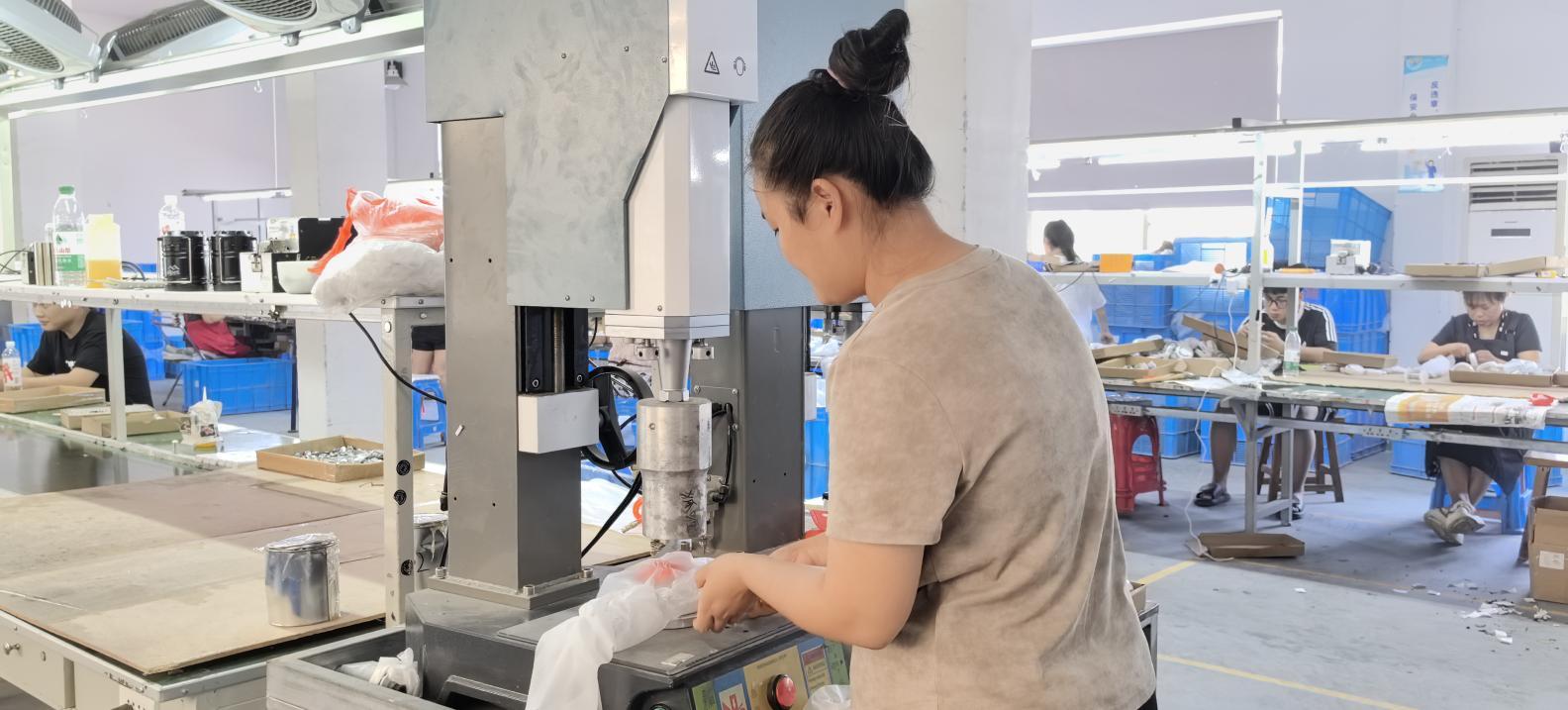
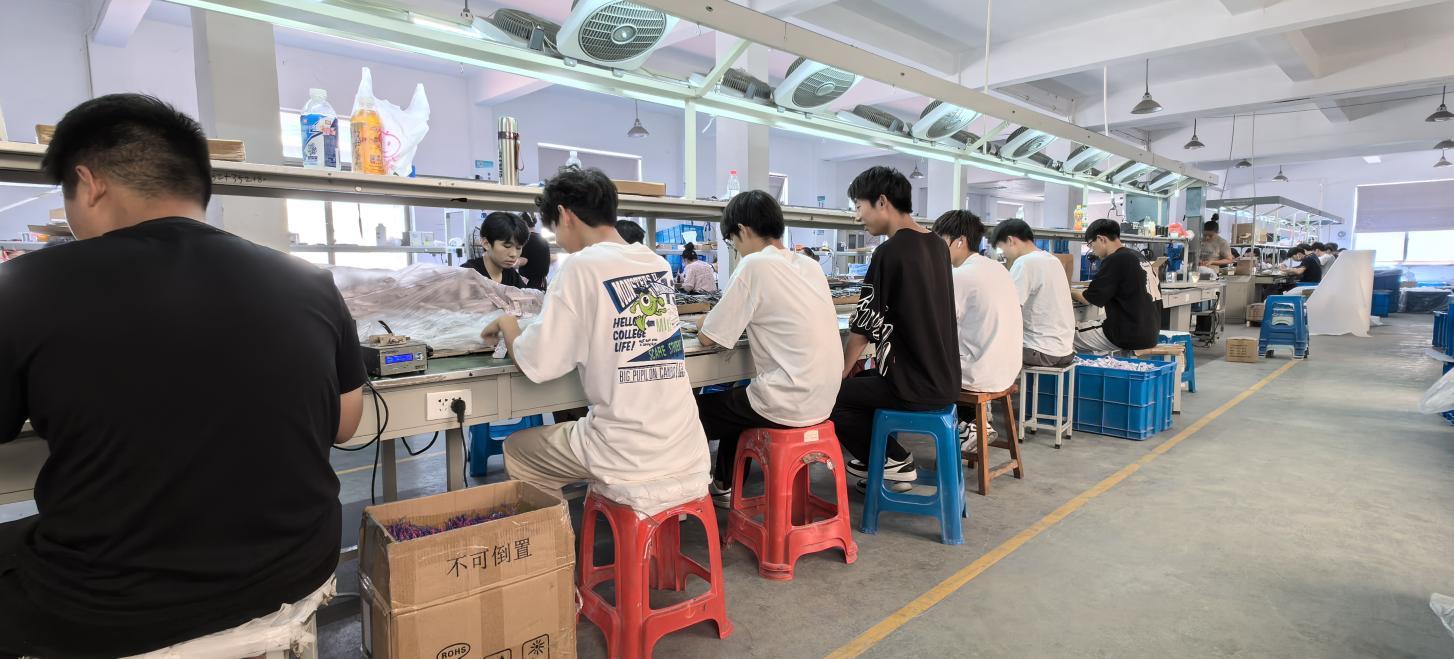
Why China remains the global epicentre for high-end optoelectronic device manufacturing and customization.
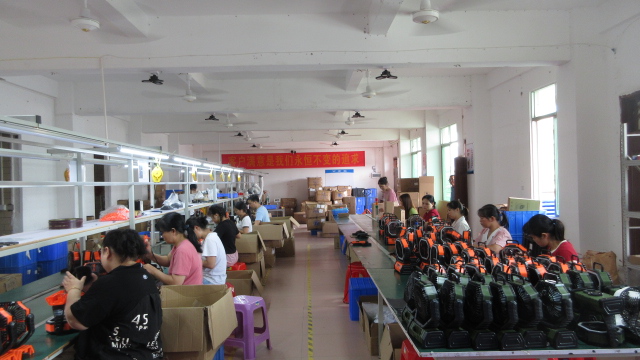
The manufacturing ecosystem in China, particularly in lighting clusters like Zhejiang (Shaoxing, Ningbo) and Guangdong (Guzhen, Shenzhen), offers unparalleled efficiency advantages that cannot be easily replicated globally. These advantages are not limited to cost reduction; they encompass rapid prototyping, robust material supply chains, highly automated production lines, and advanced logistics infrastructures.
Within a 50-kilometer radius, Chinese manufacturers have immediate access to raw PMMA, customized aluminum extrusions, driver IC packaging houses, PCB manufacturers, and standard hardware suppliers. This proximity minimizes transport latency and facilitates rapid design alterations during ODM prototyping phases.
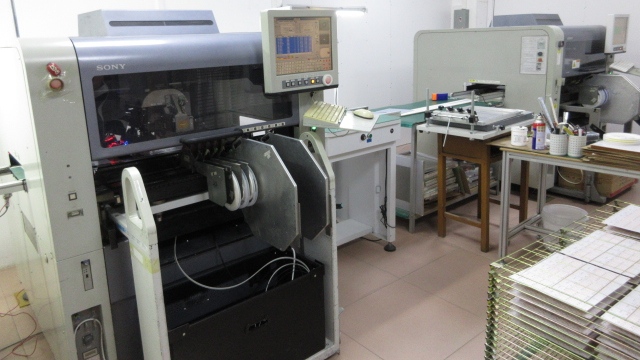
Modern Chinese lighting plants deploy high-speed SMT (Surface Mount Technology) machines capable of placing tens of thousands of SMD components per hour with micrometric accuracy. This level of automation ensures solder joint integrity, directly translating to low failure rates under prolonged thermal loads.
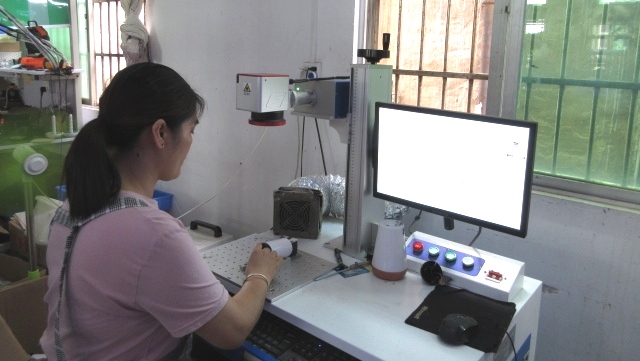
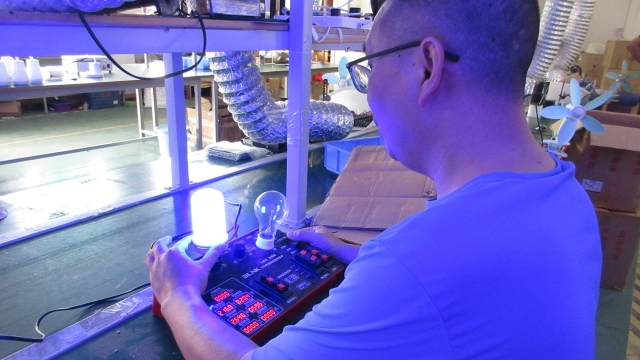
From integrating spheres for spectral checking to high-voltage surge testers, Chinese factories apply comprehensive testing protocols before goods leave the facility. This quality assurance addresses common driver failures, flickering, and color decay issues.
Proximity to deepwater ports like Ningbo and Shanghai reduces domestic container transit times. Partnering with seasoned customs brokers and utilizing streamlined tariff classifications ensures overseas buyers face minimal customs friction.
For international buyers—ranging from specialized smart lighting brands to large-scale retail distributors—sourcing from an integrated manufacturer like Shaoxing Quack Lamp Co., Ltd. ensures that the balance between aesthetic design and mechanical longevity is met. By supervising every step from raw plastic injection to the final ultrasonic welding, the manufacturer maintains strict control over unit metrics and structural stability.
How dynamic gradient color lamps are transforming residential, commercial, and therapeutic environments.
Gradient color lamps are not simple novelty fixtures; they serve key roles in modern interior design and architectural planning. By blending multiple wavelengths of light, they create functional and psychological environments tailored to specific human activities.
Modern residential spaces utilize integrated smart apps to coordinate lighting with audio-visual entertainment. Dynamic gradient lamps sync with TVs, gaming systems, and music to create immersive home theaters, boosting the visual appeal of modern living rooms.
Hotels, high-end lounges, and fine-dining restaurants use gradient accent lighting to define ambient moods throughout the day. Warm amber-to-red transitions during dinner hours foster relaxation, while cool-white morning settings revitalize guests.
Scientific studies confirm that exposure to blue-heavy spectra in the morning promotes alertness, while warm, red-shifted spectra in the evening support melatonin production. Gradient lamps simulate natural daylight changes to support human sleep-wake cycles in offices and healthcare facilities.
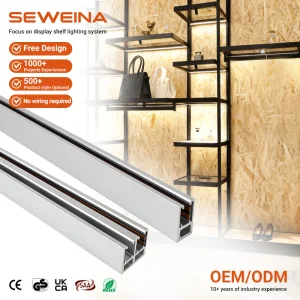
Furthermore, specialized commercial environments such as high-end retail showcases use track-mounted gradient lighting systems to emphasize product textures, shapes, and colors. In museum installations, UV-free gradient LED sources illuminate sensitive historical artifacts while creating dramatic, protective visual frames.
Critical technical benchmarks and certification criteria when evaluating gradient lighting manufacturers.
Sourcing optoelectronic equipment globally requires deep analysis of regulatory standards, electronic components, and production stability. Sourcing managers should focus on the following evaluation framework when choosing a manufacturer:
Luminaires must carry regional conformity marks. For the European market, ensure the manufacturer provides valid CE, RoHS, and ErP declarations. For North America, UL, ETL, and FCC Part 15 compliance are essential. LVD (Low Voltage Directive) testing is crucial for rechargeable cordless lamps to guarantee lithium-ion battery safety and thermal runway protection.
Inquire about the MacAdam Ellipse tolerance of the LED chips used. Trusted manufacturers adhere to <3 SDCM or <5 SDCM (Standard Deviation of Color Matching). Lower SDCM values ensure that if you buy 1,000 gradient lamps, the red, green, and blue hues remain visually identical across every unit, preventing color skewing in large projects.
The LED driver is the most common point of failure. B2B buyers should request data on driver power factor (PF > 0.9 is ideal for commercial installations) and Total Harmonic Distortion (THD < 20%). Advanced drivers feature over-temperature protection, short-circuit protection, and ripple-free outputs to prevent sub-visible flickers that cause eye strain.
A reliable factory must provide LM-80 test reports for LED chips and LM-79 reports for finished luminaires. These documents verify the lamp's light output over time, color temperature accuracy, and efficiency. Testing protocols should include high-temperature aging chambers, salt spray tests for rust prevention on metal brackets, and drop tests to verify transit durability.
Emerging innovations that will shape the next generation of smart decorative lighting.
As the internet of things (IoT) merges with optoelectronic systems, the development of gradient lamps is focusing on three key technology trends:
Detailed technical answers to common queries from lighting designers, importers, and sourcing managers.
Discover more specialized lighting solutions from our catalog, engineered for performance, safety, and reliability.
 Quack Lamp