Premium architectural and functional table lamps engineered to meet international safety and performance standards.

Modern architectural philosophy increasingly values functional convergence. Desk and bedside table lamps are no longer viewed merely as light sources; they are dynamic hub stations where users demand connectivity, device charging, and optical safety. The rise of Qi standard wireless charging technology has transformed how hospitality planners, corporate buyers, and electronics retailers source luminaire products.
By integrating wireless transmitter coils into the weighted bases of LED table lamps, manufacturers eliminate cable clutter, minimize plug-wear on personal consumer devices, and maintain clean aesthetics. As search queries trend towards "integrated functional furniture" and "smart office desks," suppliers who master the overlap of power efficiency and optical clarity are gaining significant market share.
China remains the undisputed epicenter of lighting technology and power management manufacturing. The localized clustering of raw raw materials, PCB fabrication, and plastic injection molding factories gives domestic suppliers unparalleled agility.
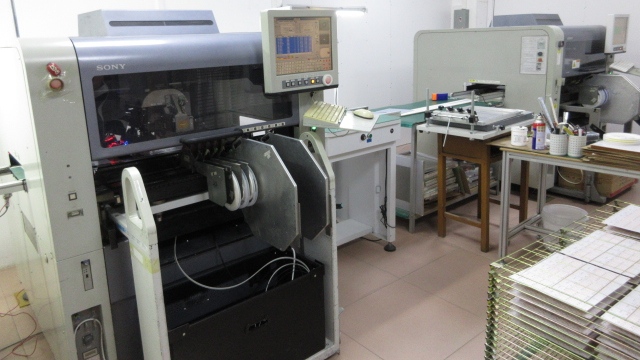
"By integrating SMT, reflow soldering, and custom plastic injection molding under a single manufacturing ecosystem, Chinese factories achieve pricing efficiencies and structural safety thresholds that other regions cannot match."
Three significant trends are shaping the future of wireless charging table lamps:
A. Qi2 Standard Adaptation: The transition from traditional Qi induction to the Qi2 standard brings magnetic alignment (similar to MagSafe). This improves charging speed and efficiency while lowering thermal emissions.
B. Human-Centric Lighting (HCL): The alignment of office lights with natural circadian rhythms. Table lamps with built-in microprocessors dynamically adjust light temperature (from a warm 2700K to a cool 6500K) and brightness depending on the hour.
C. Smart Home IoT Interoperability: Modern hotel chains and smart office buildings require table lamps that interface directly with building management systems via Wi-Fi, Bluetooth, or Matter protocols.
Integrating a wireless charging coil directly underneath a high-power LED light module poses serious engineering challenges. Both systems emit heat. If a table lamp base exceeds 45°C during peak charging, it can degrade the battery health of the device and damage the internal LED driver components.
To address this, premium OEM manufacturers integrate Foreign Object Detection (FOD) technology, ensuring that keys, coins, or metallic objects placed near the base will not trigger the induction coils. Built-in thermal throttles shut down charging if temperatures spike, assuring global distributors of absolute safety and liability reduction.
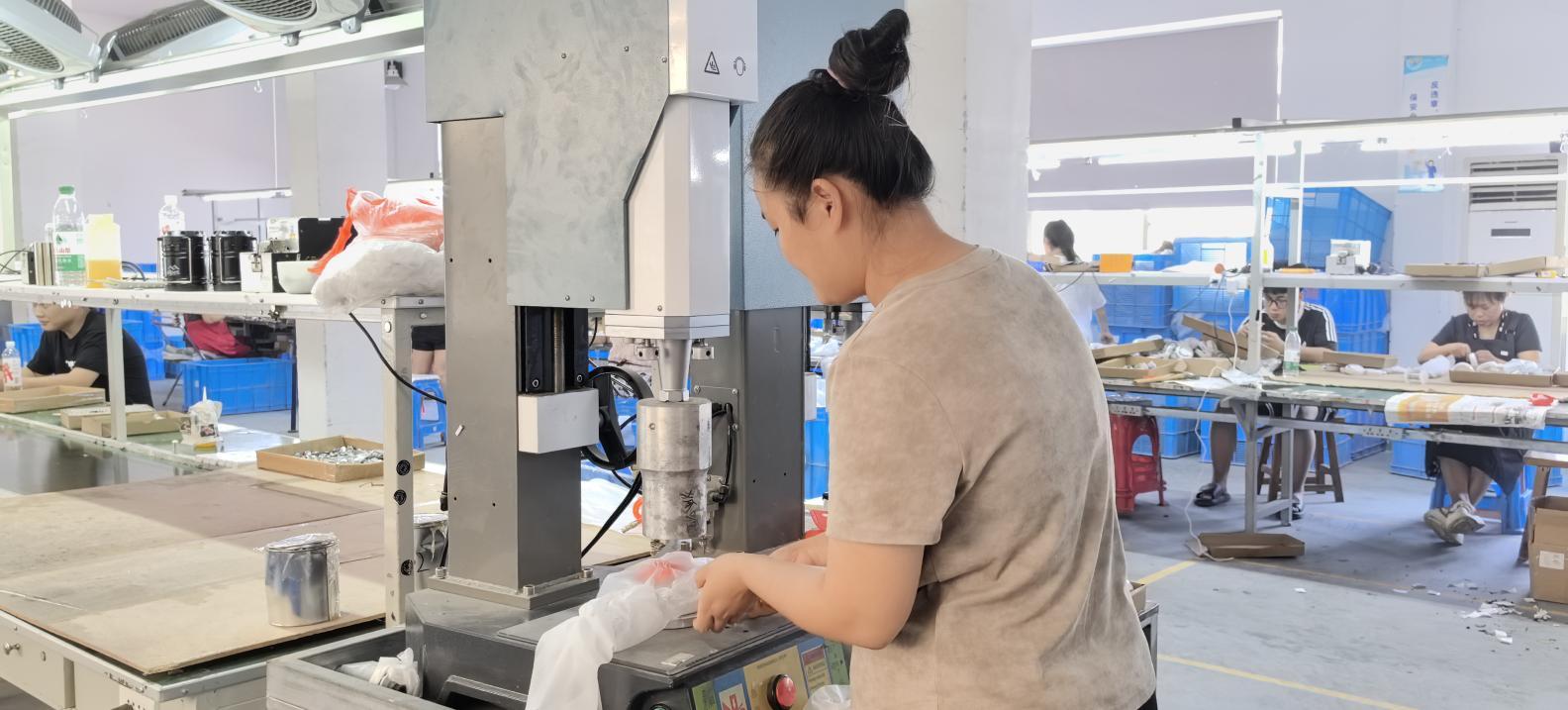
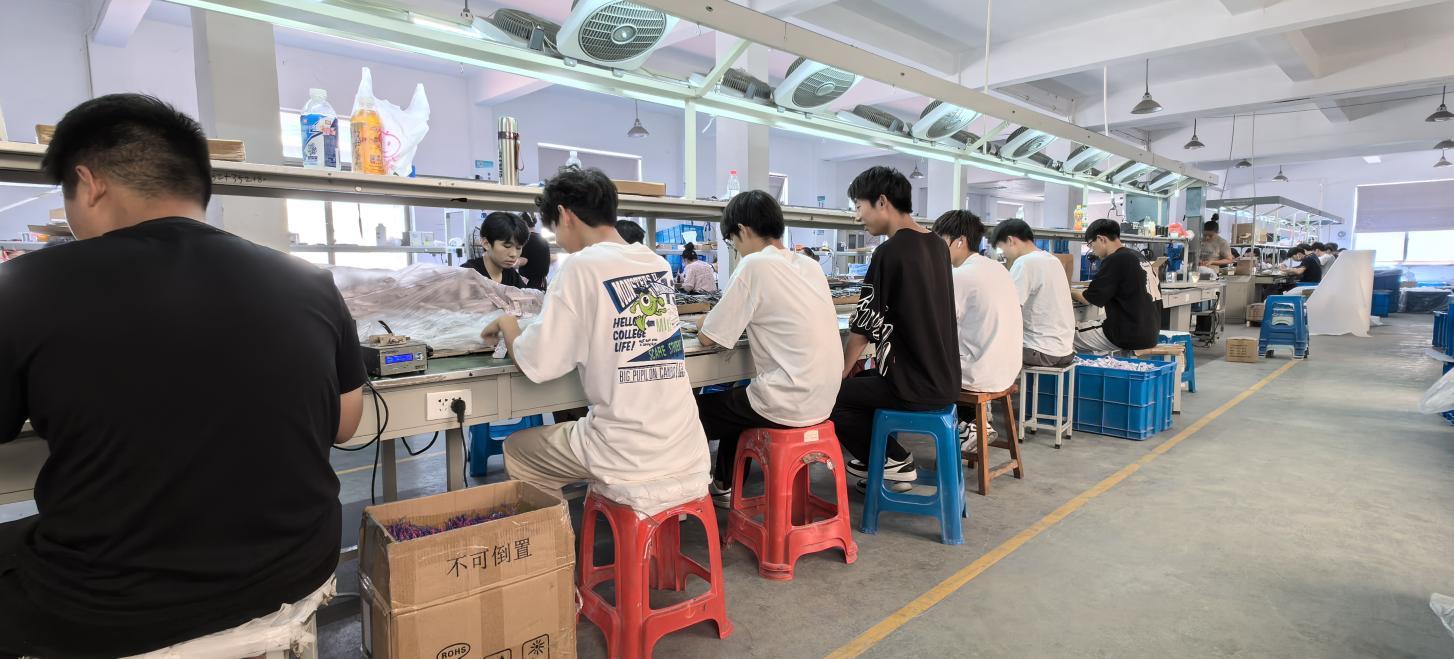
A transparent look inside our modern facility showcasing high-precision SMT assembly, molding, and testing lines.
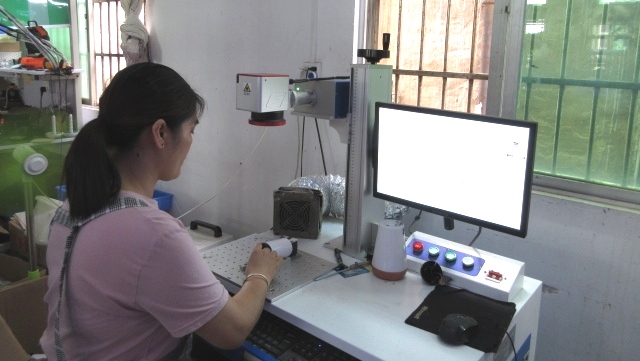
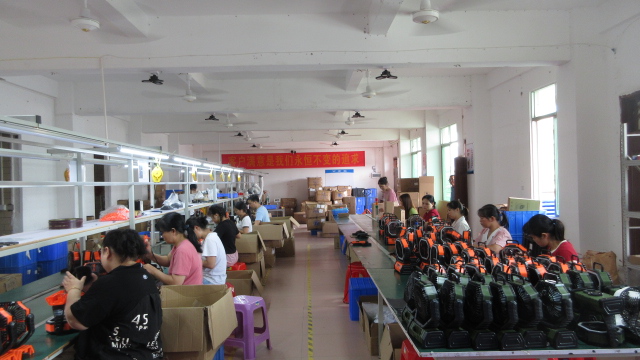
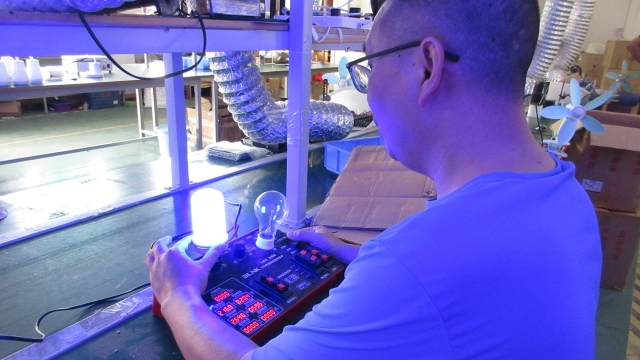
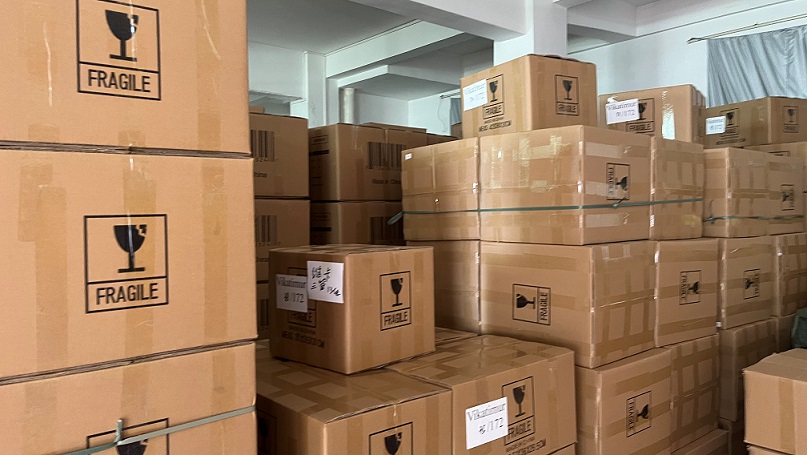
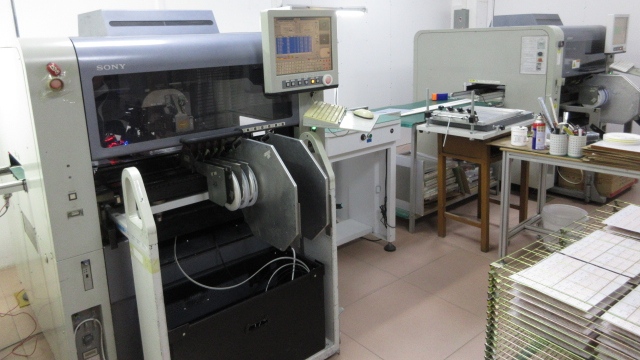
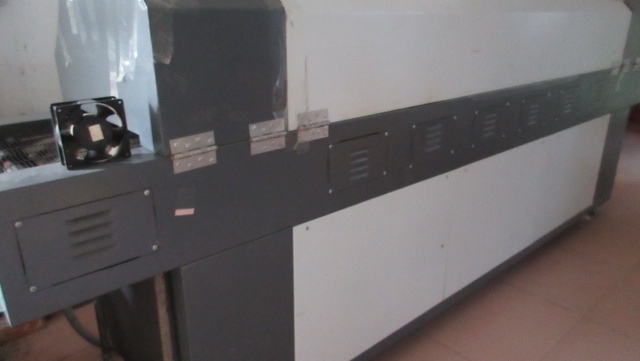
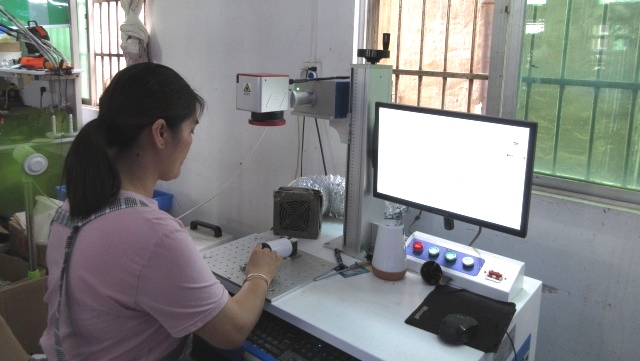
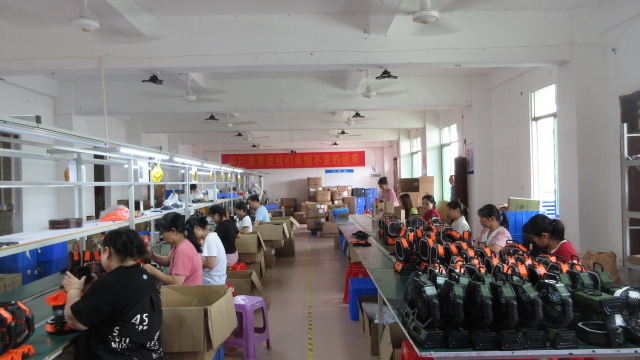
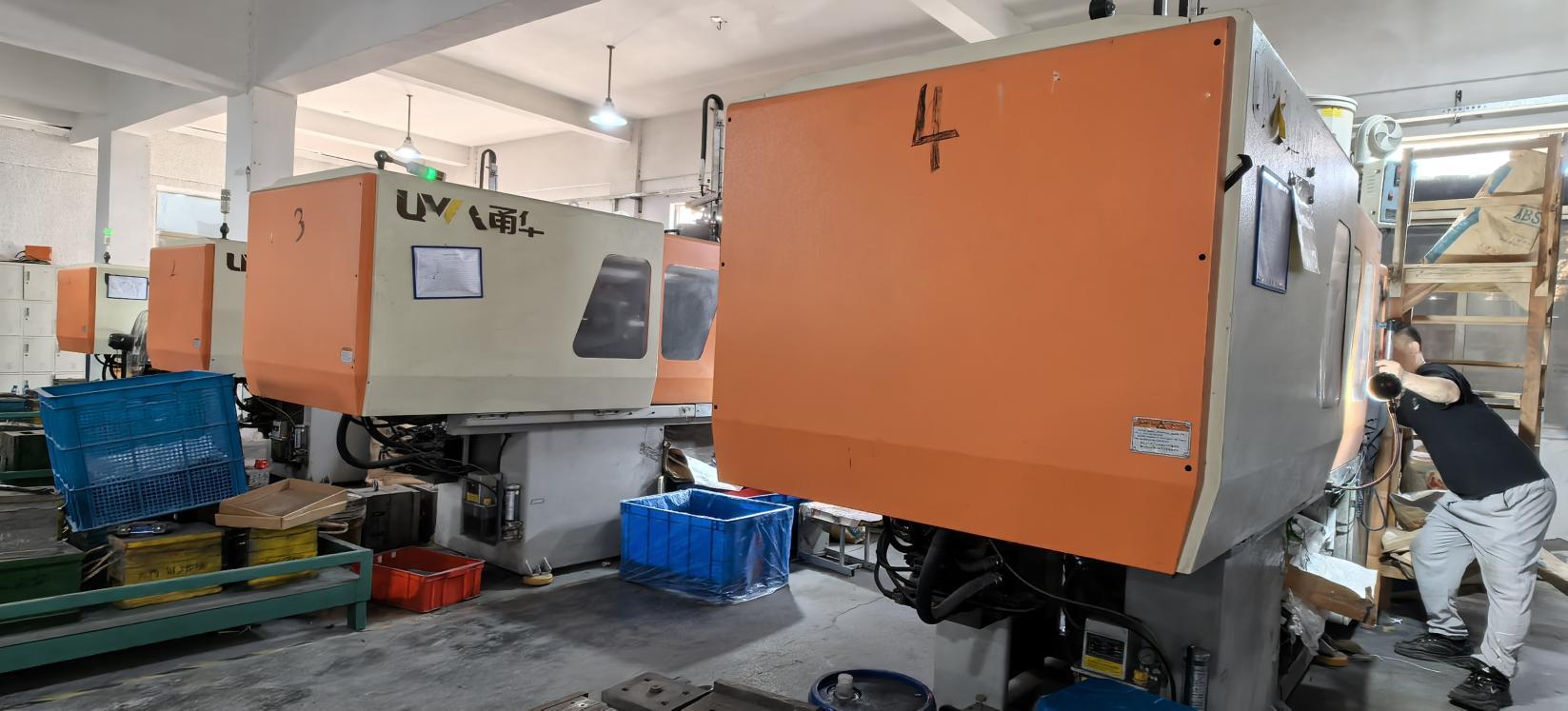
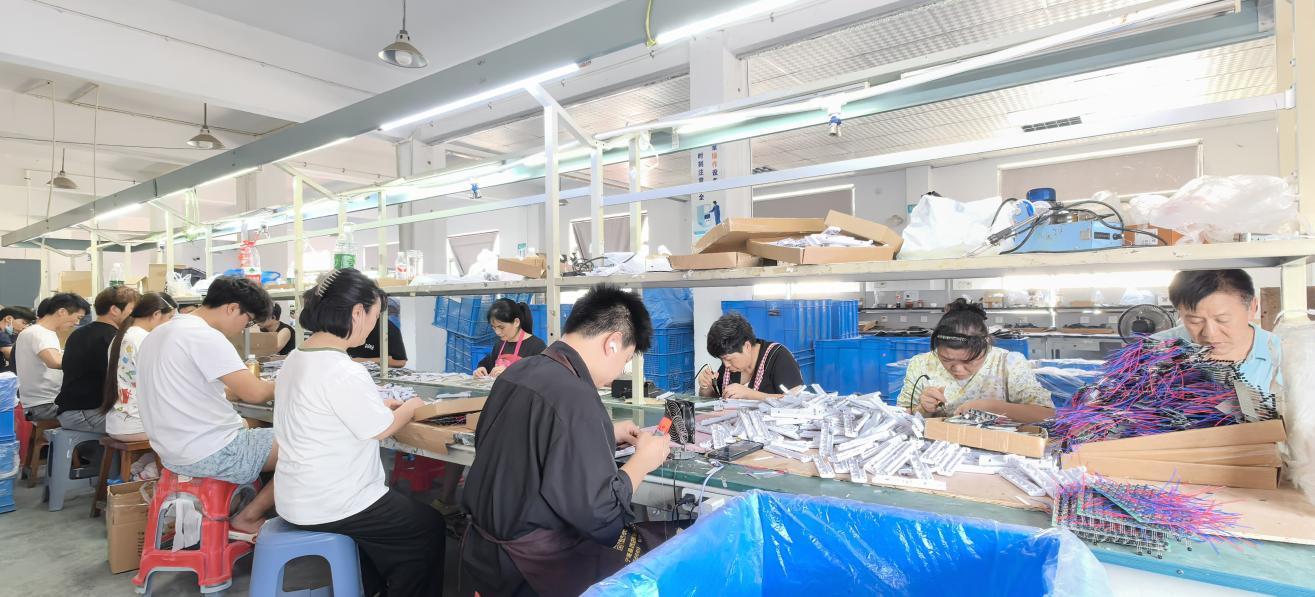
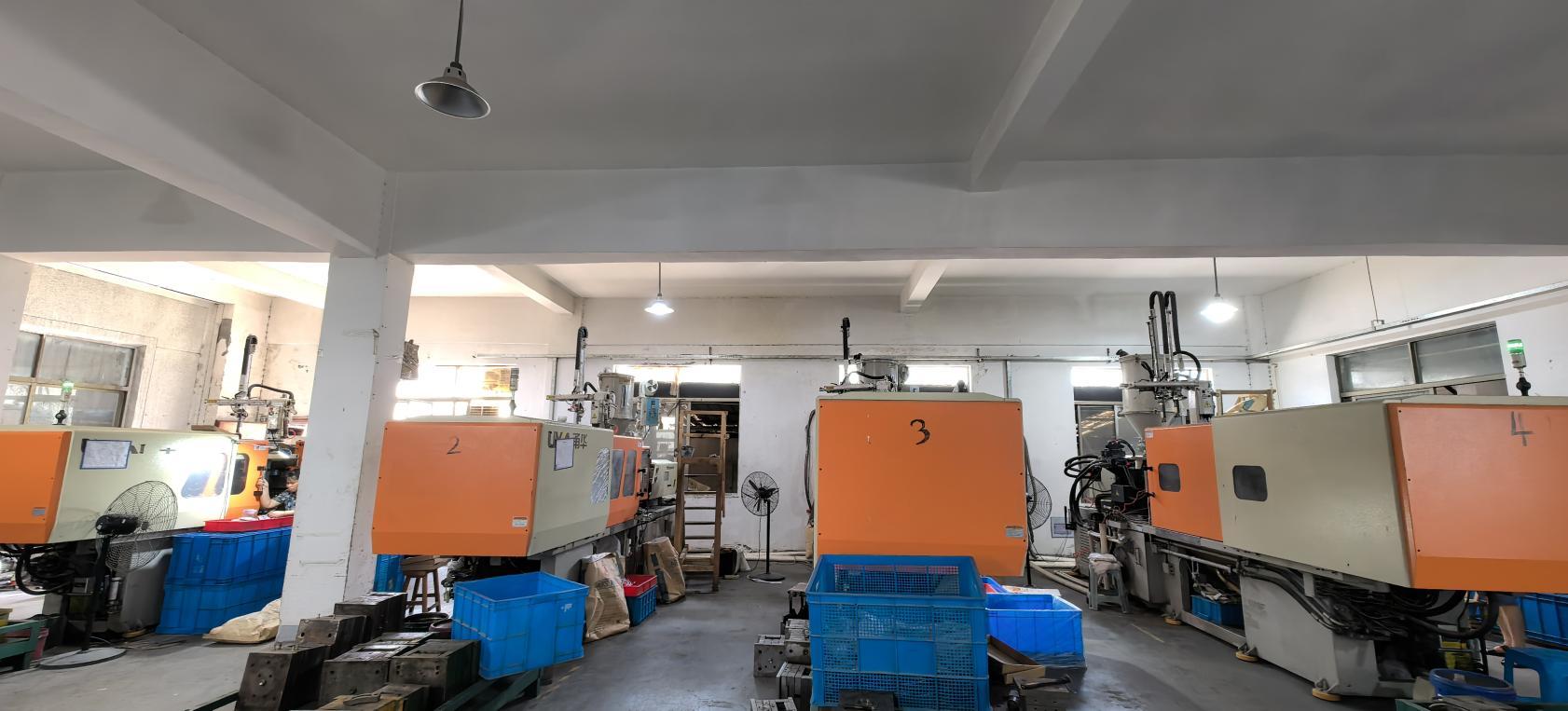
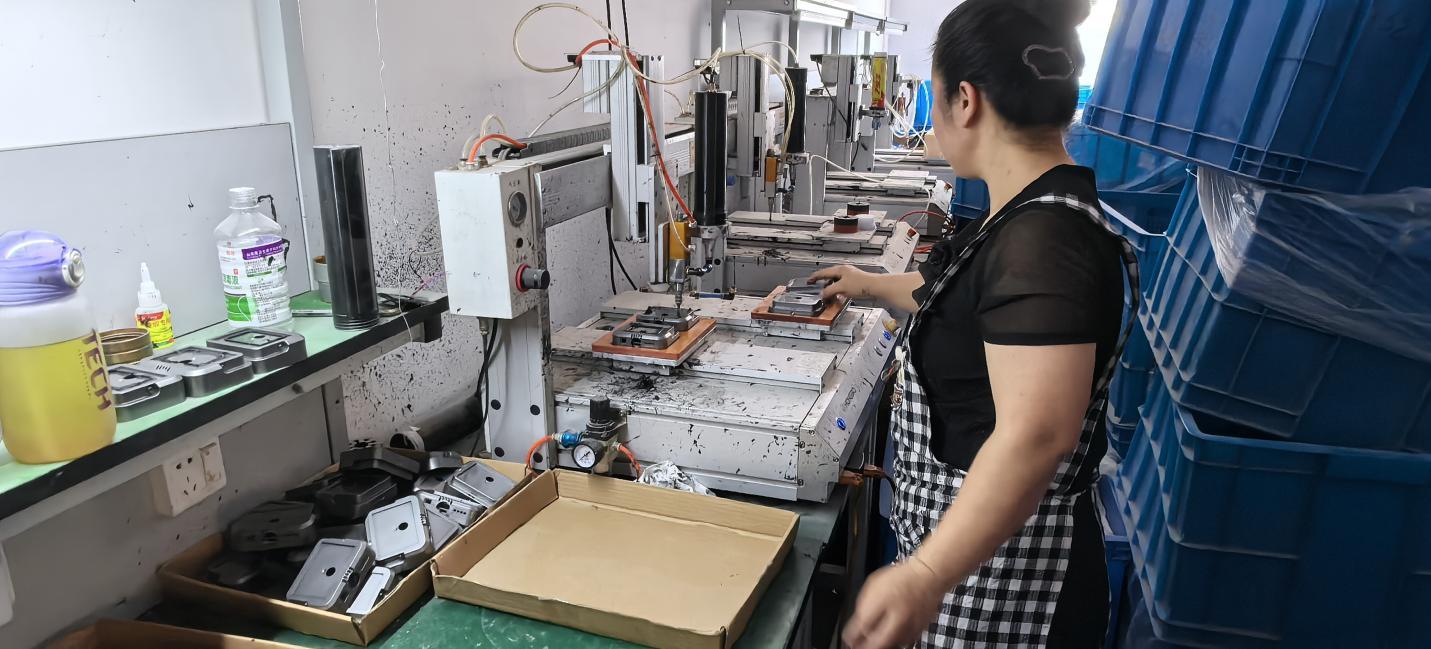
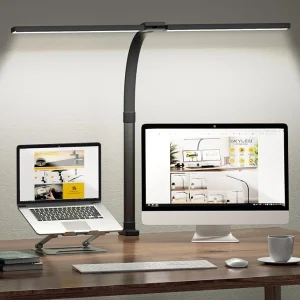
Complete custom capabilities for corporate, hospitality, and residential study desks.
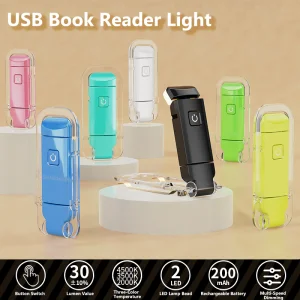

Expert answers addressing compliance, engineering limitations, customizable parameters, and distribution logistics.
 Quack Lamp