Direct supply line selections matching performance specifications and global safety standards.
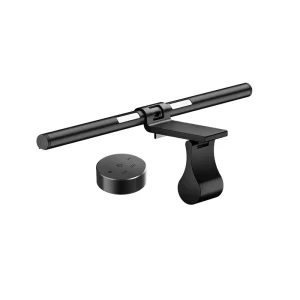
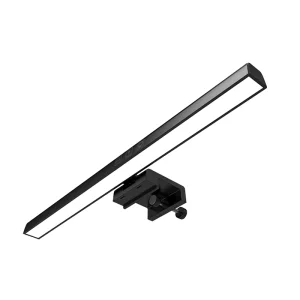
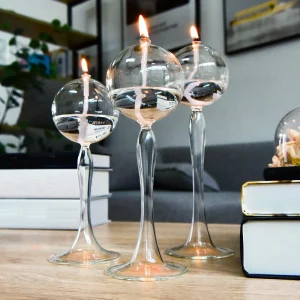
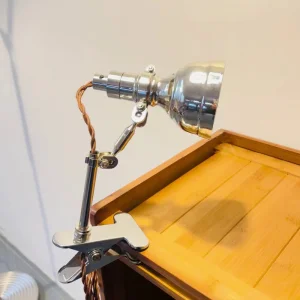
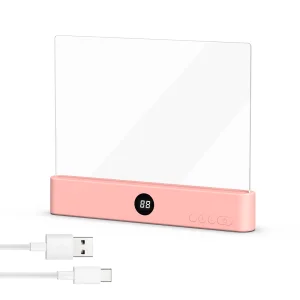
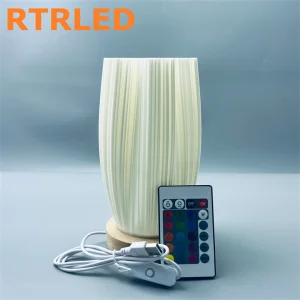
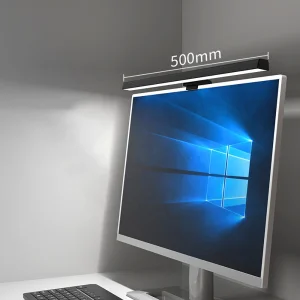
Uncovering the shift from ambient utility to high-end sculptural design and IoT integration in commercial environments.
In contemporary architectural design, the traditional boundary between structural architecture and interior lighting has dissolved. Modern design philosophies prioritize human-centric and emotive lighting configurations. Playful floor lamps—characterized by bold shapes, organic forms, soft curves, interactive mechanics, and unexpected color palettes—have evolved from niche experimental design studios to mainstream global commercial applications.
This shift is driven primarily by the search for Information Gain and distinct consumer branding identity. Standard linear or minimalist task lamps no longer satisfy the semantic search parameters of interior designers seeking to inject personality into commercial hotel lobbies, flexible co-working spaces, and boutique multi-family residential spaces. Instead, playful floor lamps function as functional sculptures, acting as natural focal points even during daylight hours.
The contemporary buyer demands sensory engagement. Traditional pedal switches are giving way to capacitive touch sensors built directly into the lamp body, gestural adjustments, and IoT-driven application control. Playful lamps must offer mechanical interactivity—such as balance mechanisms, counter-weighted swivels, or modifiable configurations—inviting users to alter the lamp's physical shape to modify the ambient distribution.
When sourcing products from international factories, supply chain directors evaluate potential partners against several critical criteria:
How automation, precision injection molding, and SMT integration ensure reliable lead times and high quality.
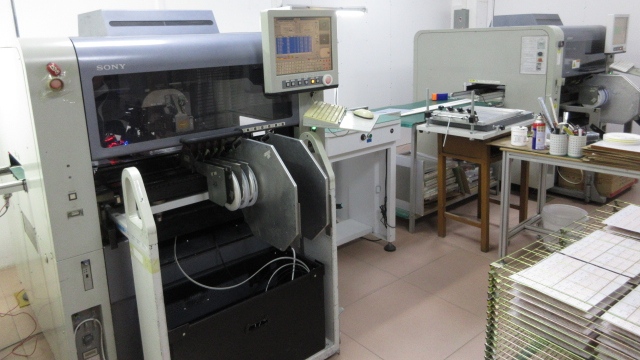
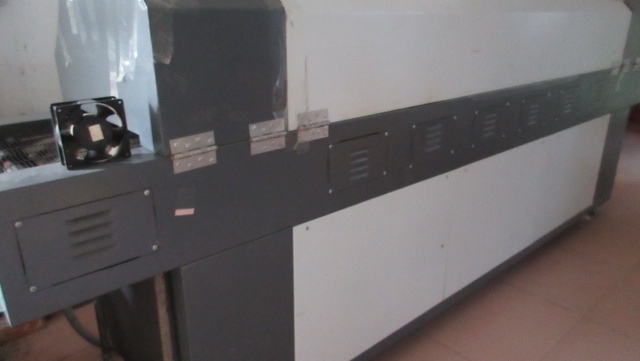
The manufacturing ecosystem in China has evolved from simple assembly facilities to automated Industry 4.0 hubs. Through deep supply chain integration, components like custom metal stamping, precision acrylic fabrication, high-speed SMT PCB board layout, and customized packaging are executed within a tight geographical radius. This concentration minimizes logistical delay risks and cushions global operations against geopolitical volatility.
Furthermore, modern assembly lines are supported by robotic dispensing systems, automatic ultrasonic welding, and real-time spectrophotometer tests. This ensures that every playful lamp meets strict chromatic consistency and light output metrics before shipment.
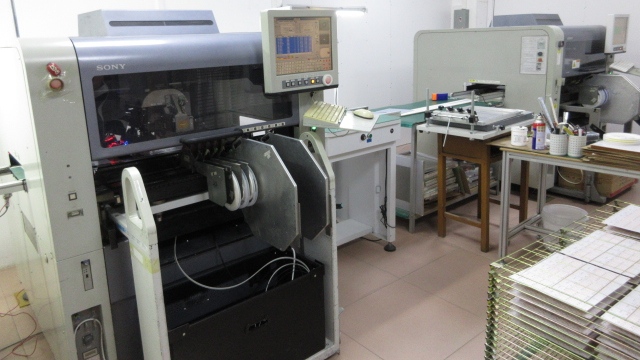
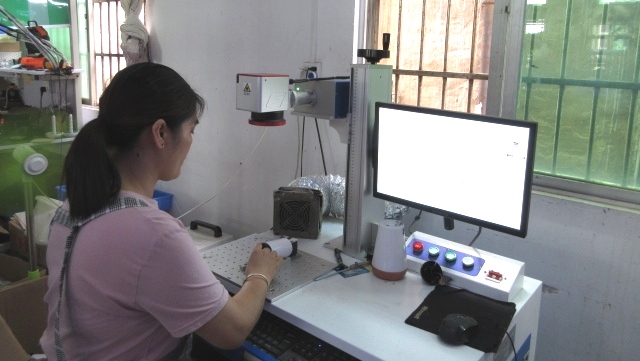
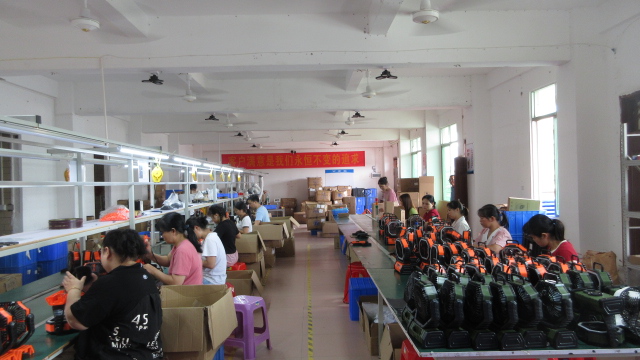
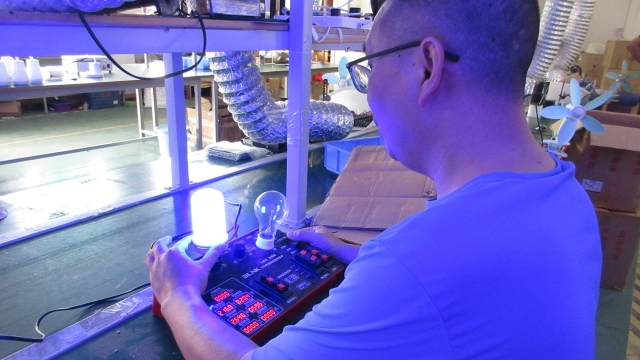
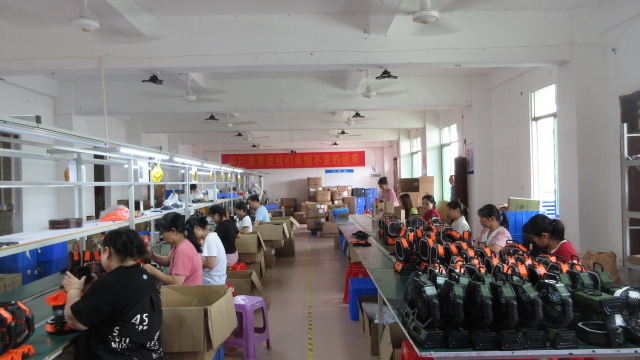
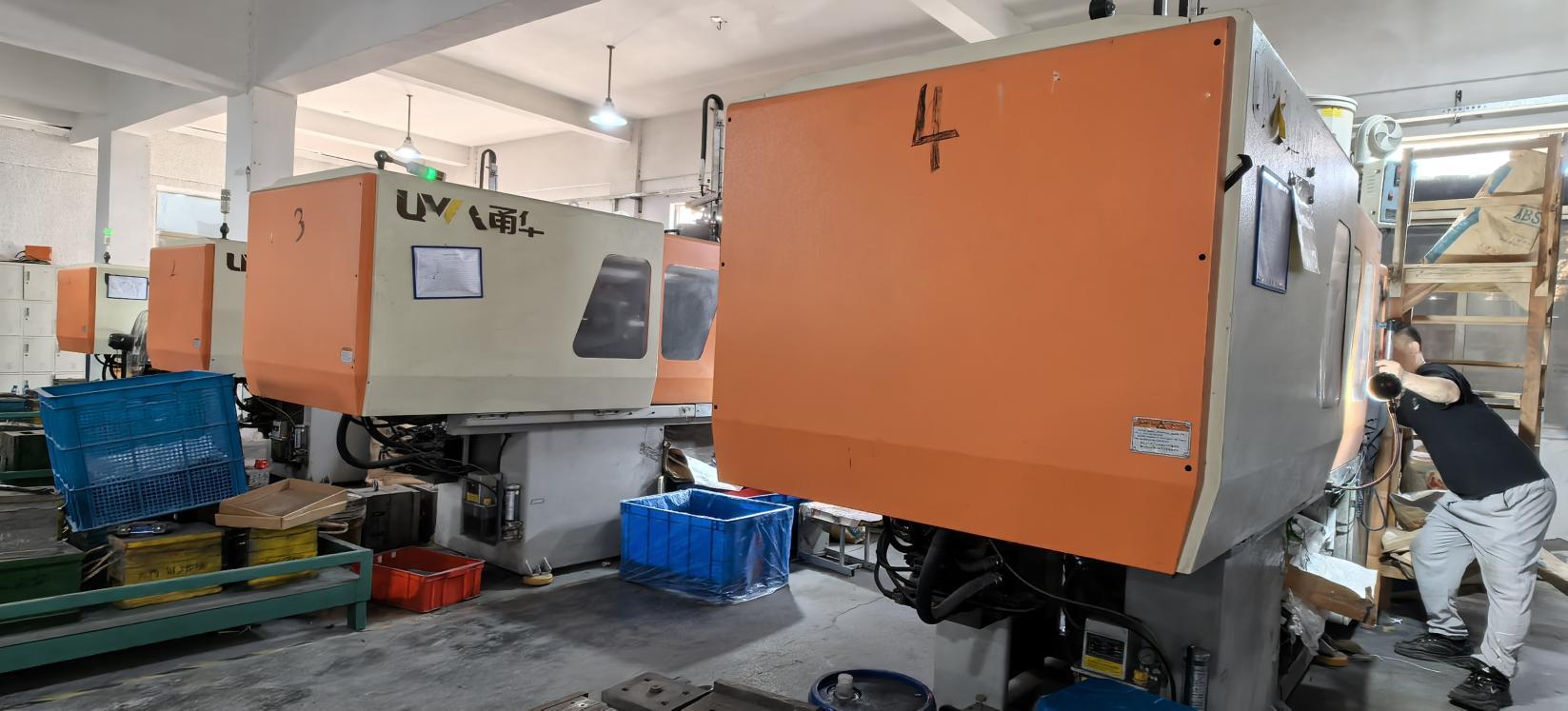
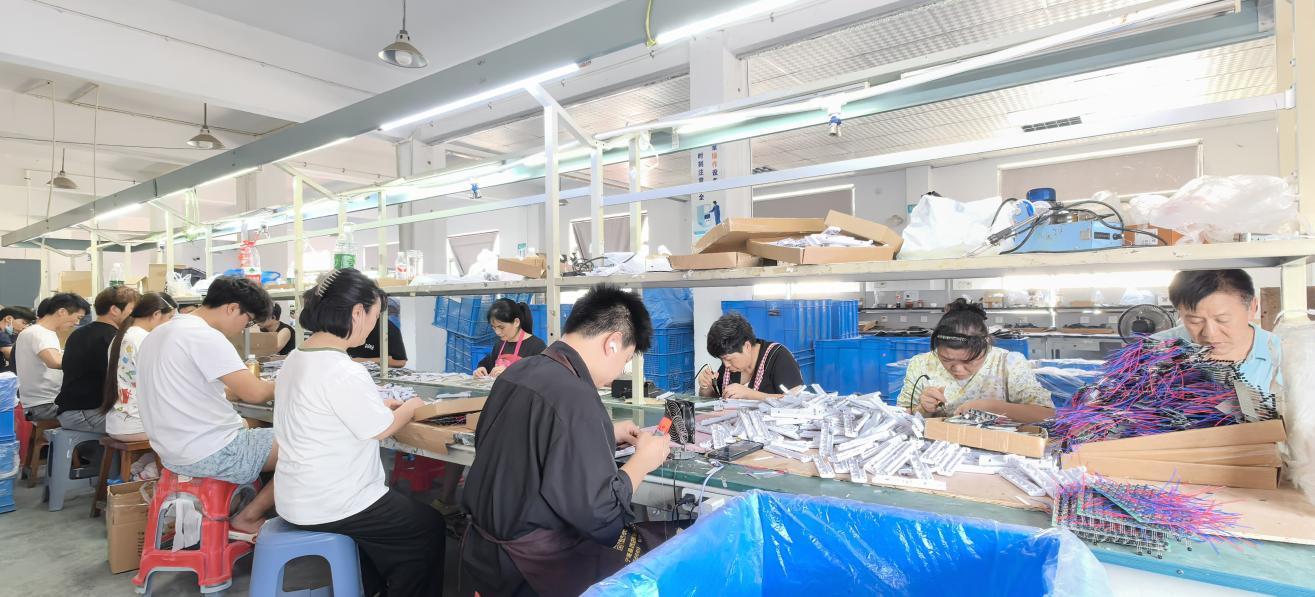
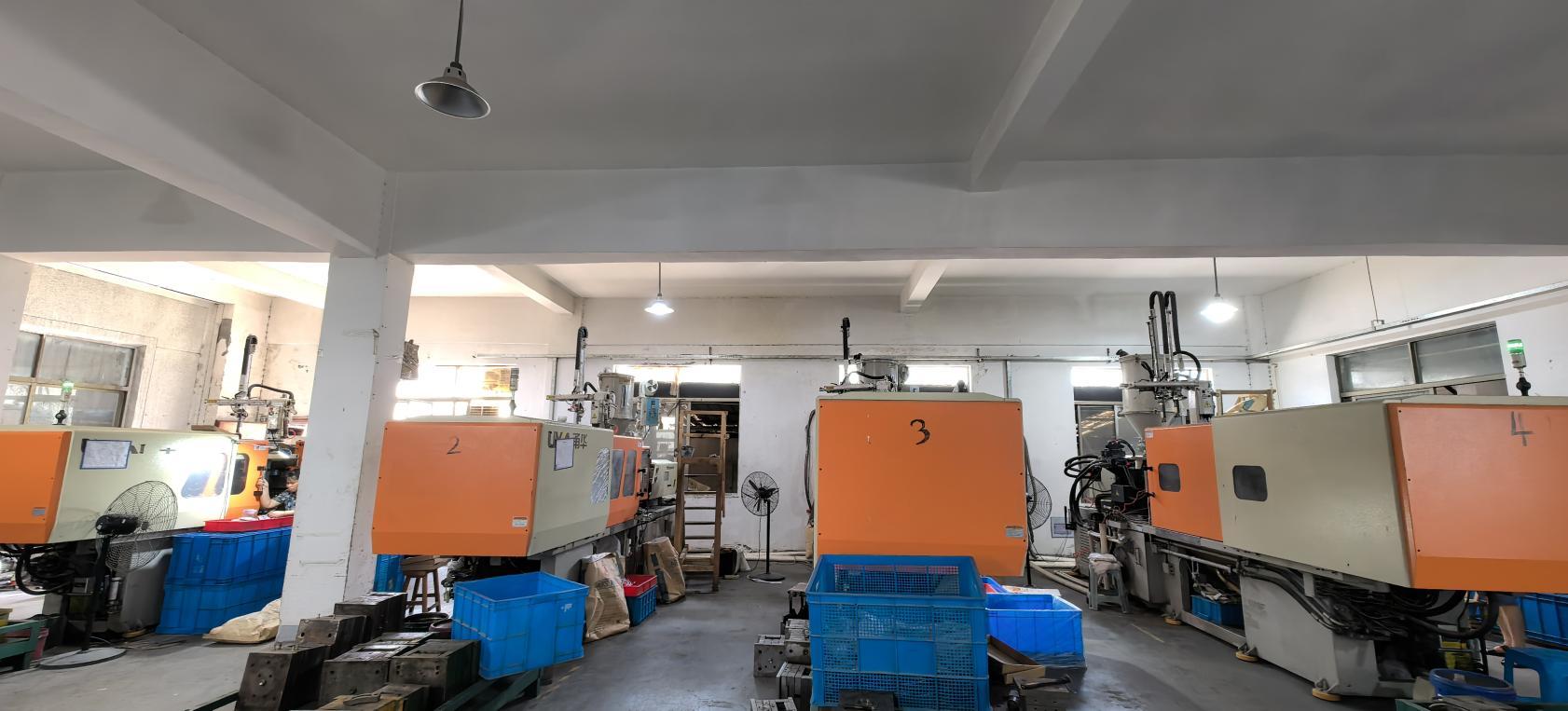
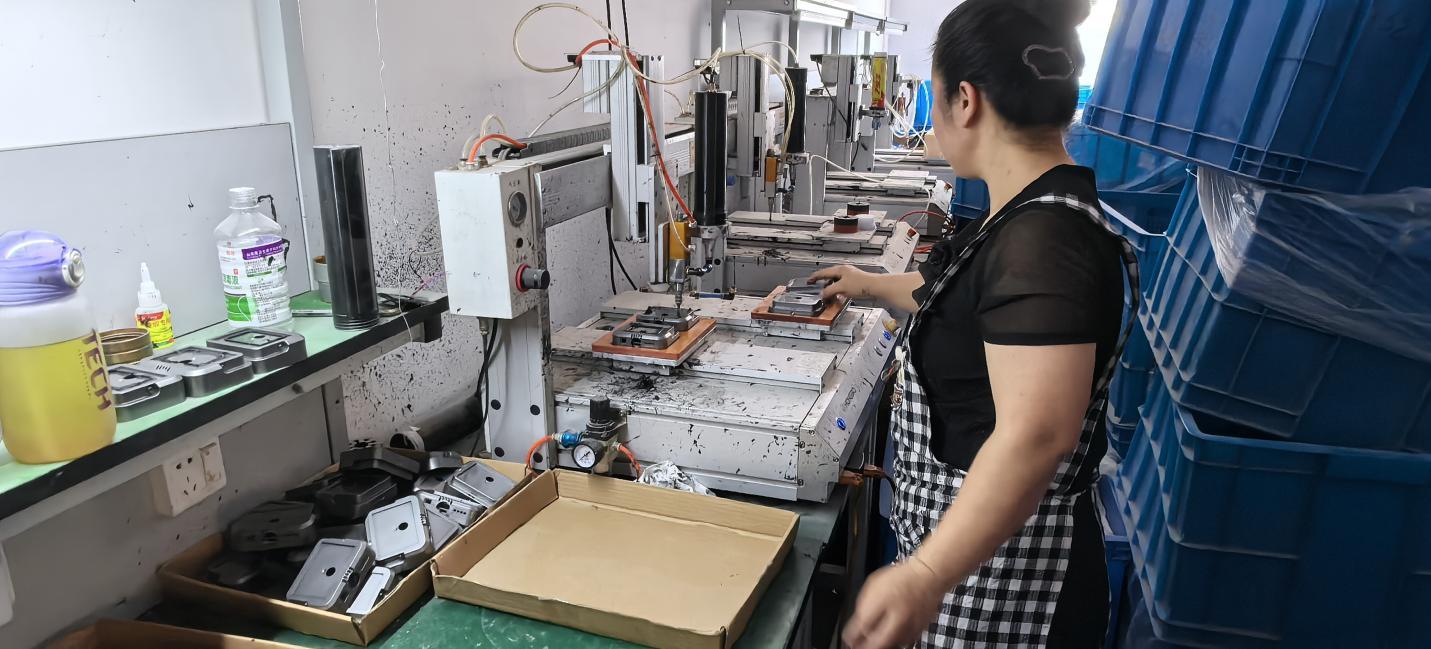
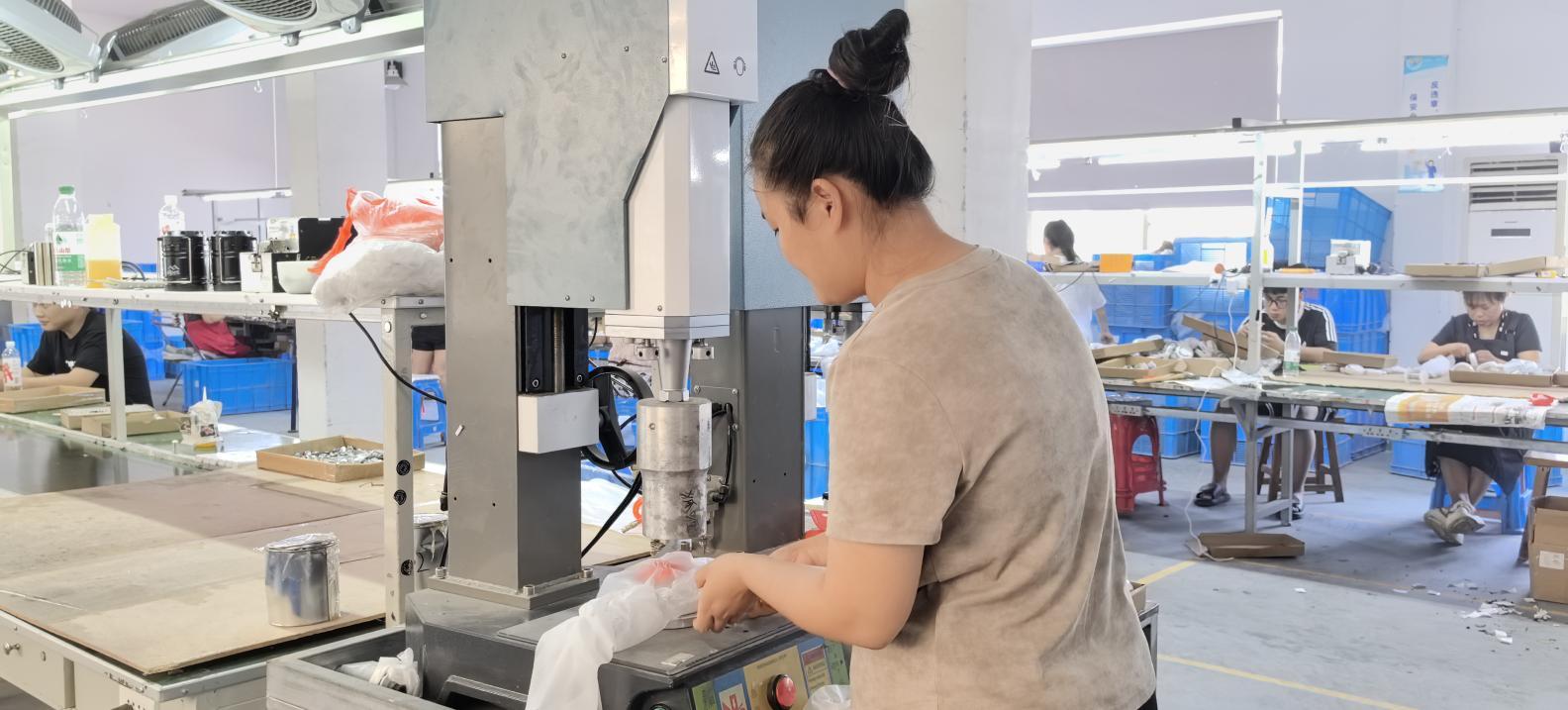
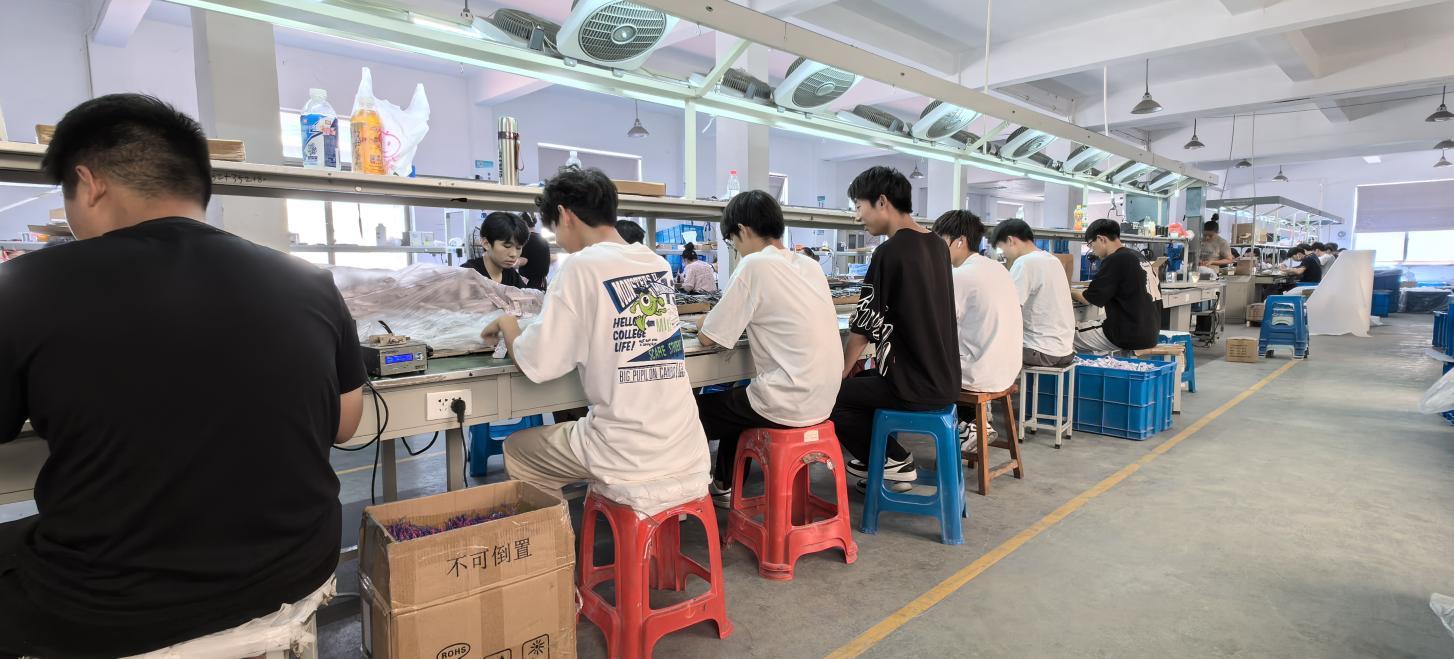
A professional lighting manufacturer redefining commercial OEM/ODM decorative solutions.
Shaoxing Quack Lamp Co., Ltd. stands as a professional lighting enterprise specializing in the comprehensive research, development, manufacturing, and global sales of decorative and functional lighting. The company's extensive product portfolio spans table lamps, floor lamps, screen clip lamps, and structural illumination systems.
To address the evolving environmental regulations and market demands of global distributors, Shaoxing Quack Lamp has completed a strategic transition toward integrated LED technologies. By pairing smart microchips with custom PCB boards designed on their high-speed SMT lines, the company offers programmable RGB effects, smart home compatibility, and eye-protection characteristics (no visible flicker, low blue-light emission).
Operating with modern production infrastructure, Shaoxing Quack Lamp Co., Ltd. provides full-service OEM and ODM capabilities. Their in-house R&D team partners with international designers to translate complex concept sketches into production-ready physical components.
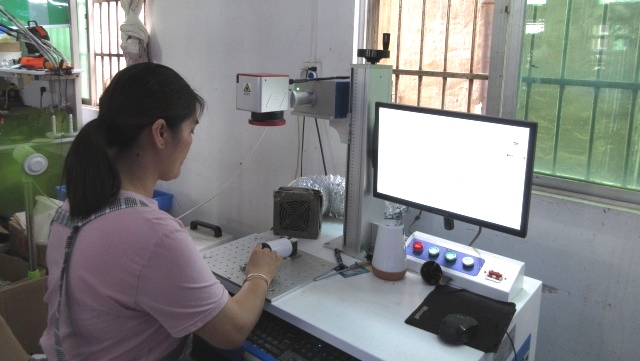
By managing all operations in-house—including custom injection molding, robotic dispensing, ultrasonic sealing, and structural assembly—the company ensures that design parameters are maintained and quality metrics remain consistent throughout the production run.
Quality remains the focal point of all operations at Shaoxing Quack Lamp Co., Ltd. Every single production run undergoes structured inspections: first, visual and testing audits of incoming raw materials; next, optical and power tests of the LED arrays; and finally, tipping, insulation resistance, and packaging integrity checks before global shipment. This approach ensures consistent product quality and reliable performance in the field.
Where playful lighting designs translate into functional accents across physical industries.
Hotels use playful, oversized floor lamps to break up open space and create focal points in seating areas. Warm dimming ranges and high color rendering indices (CRI > 90) help create a welcoming, home-like environment.
Playful accent lamps can make open office layouts feel less clinical, boosting employee well-being and engagement. Integrated USB charging ports provide convenient power outlets for remote workers.
Creative retail outlets rely on playful light fixtures to capture attention and guide customers through the space. Adjustable light angles and clean design details make the light fixture part of the store display.
Answering key logistical, engineering, and manufacturing questions for global procurement buyers.
Typical minimum order quantities (MOQs) for standard designs range from 100 to 300 units. For fully customized ODM molds, the MOQ is usually between 500 and 1,000 units to help offset the engineering and injection mold setup costs.
Factories perform physical tilt angle testing using specialized incline tables. High-quality playful lamps are designed with a heavy internal iron or concrete counter-base, ensuring they remain stable at tilt angles of 8 to 15 degrees.
For North America, products require UL, ETL, or CSA safety certification, along with FCC testing for any smart control modules. The European Union requires CE, RoHS, and WEEE compliance to meet regional safety and environmental guidelines.
Top-tier manufacturers maintain color consistency within a 3-step or 5-step MacAdam Ellipse (SDCM). They source LEDs from verified suppliers and test each production run in an integrating sphere to ensure uniform lighting output.
The typical lead time for initial orders is 35 to 45 days. Repeat orders can often be completed in 25 to 30 days, as the factory can pre-order raw materials and optimize production scheduling.
Smart integrations (like Wi-Fi, Bluetooth, or Tuya modules) add a small component cost. They also require additional testing to verify signal range and driver compatibility.
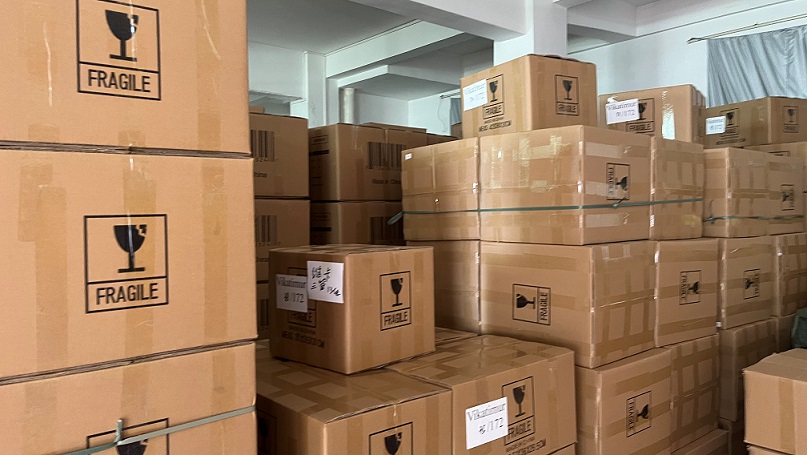
Factories protect fragile shipments by using molded foam packaging (ISTA 3A or drop-test certified). They also run vibration and drop tests to verify packaging durability before dispatch.
Yes, manufacturers can assemble light fixtures with high-CRI LED chips (CRI > 95 or 98) on their SMT lines to meet specialized lighting requirements.
Molding fees are typically paid upfront. Many factories offer a rebate structure, refunding the tooling costs once the buyer reaches a target order volume (e.g., 5,000 units).
Factories can substitute virgin plastic with post-consumer recycled (PCR) plastics, bio-based polymers, or spun aluminum to meet sustainability goals.
B2B lighting fixtures designed for long-term reliability and modern environments.

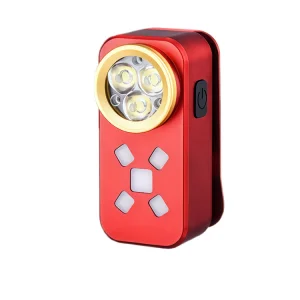
 Quack Lamp